Brett

Electric Hunting Bike – QuietKat Bike Review

Quiet Kat Electric Mountain Bike Bicycle

To find success when big game hunting, you have to get as far away from the roads as possible. That’s doubly hard, because while you may be able to Quiet Kat Electric Mountain Bike Bicyclecomfortably hike 10 miles in, you may not want to pack a critter 10 miles out over four or five trips. According to multiple studies cited on backcountryhunter.org, most game animals like to stay at least 300 meters away from roads. Distancing yourself from lazy road hunters and their noisy vehicles greatly increases your chances of seeing that prized critter. ATVs are great, but many national forest trails are closed to motorized vehicles like Jeeps, ATVs and Motorcycles. Also, ATVs are noisier than most trucks, and just push animals even further out.

Contributed by By Mark, Former Marine Reconnaissance Team Leader, Marine Infantry Officer, Cross Fit Coach, and Survivalist.

We saw this first hand on a recent hunt out in the Rocky Mountains of Colorado. Both trucks and ATVs were Road Hunting the Forest Service roads like they were patrolling the southern border. None of these road hunters shared the success that we noted during our hunt. So what are you to do? You want to reach the backcountry but maybe hiking three miles up to 10,500 feet is not an option for you. Or maybe you are looking to get really deep and don’t want to spend two days hiking. According to TrailTrove, the average human hikes at two to three miles each hour. This is average from TrailTrove is without a backpack (20 to 30 pounds), a hunting rifle (6-7 pounds), and hunting clothes including boots, pants and jacket (7 pounds). With this extra weight, you are most likely going to be below 1 mph with stops & breaks. Also, consider the toll on your body. You hike three miles up to 10,000 feet with 40+ lbs of extra weight. You are going to be huffing and puffing by the time you get to the top. 

An elk can average 88 to 270 lbs of harvestable meat.  You might be lucky if you don’t get an elk because that will be at a minimum one more trip back up the mountain for two people to get all of the meat out. Those are heavy loads that put a lot of stress on your body. I recently heard about some backcountry hunters using electric mountain bikes to get deep into the woods. After seeing that the BLM has recently changed their rules on electric bikes, I decided that I wanted to try it for myself. After a bunch of homework studying things like range, price, warranty, extras, reviews, & experience, we landed on QuietKat. QuietKat is based out of Eagle, Colorado and they seem to have hunting and the outdoors in their blood. I have been watching them for a few years and they seemed to keep coming out with cooler bikes every season. 

Split Decision

We got two bikes. My hunting partner, Derek, has a chronic tailbone injury and required looking for a softer ride. He was willing to spend more money on his bike so he got the Fat Tire Ridgerunner.

QuietKat Fat Tire Ridgerunner
Motor: Ultra Mid Drive 1000 watt
Display: Digital-Color
Battery: 48v/16ah Panasonic
Frame Sizes: 17” Medium & 19” Large
Brakes: 4 Piston Hydraulic Disc Brakes
Fork: RST Air Suspension 150mm, Rockshox on rear
Suspension: Fire-Link Four-Bar Linkage
Wheel/Tire: 26 x 4.8” CTS Roly Poly Fat Tires
Gearing: 9 Speed Wide-Range
Drive: Stainless Steel Chain
Weight: 65lbs
Top Unassisted Speed: 1000W: 28mph
Range: ~25 Miles Unassisted, up to 50 miles under Pedal Assist
Color: Charcoal

I got the Apex which has a hard tail and front suspension. 

QuietKat Apex
Motor: BBSHD Mid Drive 1000 Watt
Display: Digital
Battery: 48v/11.6ah Panasonic
Frame Sizes: 19” (M/L) and 17″ (S/M)
Brakes: 2 Piston Hydraulic – 203mm Rotor
Fork: GT Air Suspension 100mm
Wheel/Tire: 26″ x 4.5″ (Fat Bike)
Gearing: 9 Speed Wide-Range
Drive: Stainless Steel Chain
Weight:  75lbs
Top Unassisted Speed:  25mph
Range: ~20 Miles
Load: 300lbs
Colors: Charcoal / Camo

Impressions & Thoughts:

One: Our wheels said Juggernaut on the side of them and the name was fitting. The wheels are huge. And by huge I mean massive.  Riding a normal mountain bike on single track, I would not want this much tire. Really fat tires would be heavy and hard to push around on a normal bike but the traction from the fat tires bring is insane, and makes you feel much safer on the mountain. With this being an electric assisted bike and you can push the throttle and with a little peddling you are cruising at 12 mph almost instantly. The big tires add stability and traction both on the front tire for turning and the rear tire for climbing. These are not motorcycles and you still need to pedal, but it really helps climbing those steep inclines.
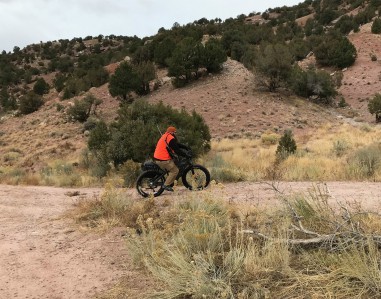
Two: The bikes are fast. Our first time riding the bikes were not ideal for learning. We were at an altitude of 8,500 feet, little bit of snow on the ground, heading up to 10,500. The QuietKats will take off if you hit the throttle hard, the torque is pretty good. Riding a bike at 20 mph up single track in the mountains can be a little scary and mind blowing at the same time. It took us about about a mile to get comfortable with the bikes, having packs on as well as the cart system that was attached to the back of my bike. To be honest, I have considerable more mountain biking experience than Derek. I was pretty comfortable after about 100 yards. Derek, who broke his tailbone, and has really not ridden a bike since was not a huge fan of the QuietKat at first. I heard a lot of cussing and yelling on the trail that made me think “Oh man, this might have been a mistake.” but after a little coaching, mainly telling Derek to sit down while going uphill so your body weight is heavy on the back tire for traction made a huge improvement for him. By the time we got to 10,500 ft, Derek was sold. I think his exact quote when we got to the top of the mountain was “These things are sick.” On our first ride, I think we averaged about 10 mph uphill with very limited stops. Also, because the QuietKat motors are electric, you do not lose any power at altitude. Most gas engines lose about 3 HP per 1,000 ft of altitude. I know from experience that my old Honda Rincon didn’t like altitude above 10,000 feet even though I had it tuned for the mountains.

Three: The bikes are quiet. I personally think we were much quieter on these bikes than if we were struggling up the side of the mountain carrying gear and heavy boots. I don’t have a way of measuring this but every time I turned back to see if Derek was still behind me, I always saw him before I heard anything. Also, our exposure time on trail was less than 20 minutes compared to 1 to 2 hours by foot. I also believe our scent signature was much less because we were up high out of the grass and only the tires touched the trail. I believe we pushed the animals less because of how quiet these bikes were.

Four: The bikes are heavy. The one downside of this bike (if there is one) is that these bikes are pretty heavy at roughly 70 lbs, but you get a lot of machine for this weight. It took two of us to muscle these bikes into the back of the pick up truck. Could either of us have done it alone? Yes, but we didn’t want to take the chance of scratching the truck. Also, a normal trailer hitch bike carrier (Yakima or Thule) will not work with these, they are too heavy, but the 1up rack (which is sold by QuietKat in both a 1 bike & 2 config) works great. Or you could always look into a light weight ramp system to load these into your truck or SUV if you are hunting solo.

Five: Hard to put away. These things are so much fun that you might want to cut your hunt early just to cruise around on your QuietKat. Honestly, you get can places on these things that would be hard by foot without several days of walking. They are super fun on the trail and you find yourself making excuses for wanting to find a new hunting area and getting back on the QuietKats. “Hey, I think I am going to go scout this other mountain, be back in a bit.”

Six: Tough in powder. The bikes did well on hard snow, and were stunning over normal ground, but thick powder snow caused them to fishtail a bit, and are probably not the best fit. Luckily this isn’t most of hunting season. Also, we did not deflate the tires which could be an option. To be fair, rear wheel ATVs also struggle in deep snow.

Traveling With The Kat

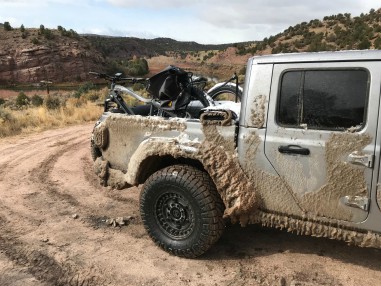
We traveled around the Rocky Mountains with the QuietKats and a fully assembled pull behind cart in the back of the Jeep Gladiator. The front tires of the QuietKats wereQuiet Kat Mountain Bike Review hanging over the tailgate using a QuietKat Tailgate pad. We strapped them down and due to their weight, they travel well in the back of pick up trucks. We were exposed to some pretty harsh weather up there and were worried about the computer components on the Kats. We had no issues. Every time we pushed the power button, the Kats fired right up and away we went.
Stashing the Kats

Once we reached our planned hunting area, we just marked the Kat location on our GPS and laid them down behind some trees. After a few days, we started just leaving our extra gear near the Kats as well. We were never worried about anyone stealing our gear or our Kats at 10,000 feet. You can remove the battery with a key and you can also use a cable lock to secure your bikes but we never did. If I was in the city, I would get a no joke lock for these bikes but Elk and Mule Deer don’t steal. 

Kat Down

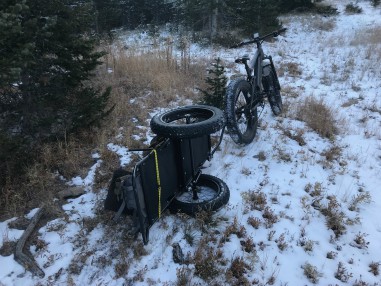
The 2 wheel trailer system that we got with the QuietKat was awesome. It held a ton of gear and was easy to set up and attach to the bike. A bit of caution,Best Electric Mountain Bike Trailer System Reviews you do have to watch out for larger rocks on the trail with the two wheel system. We turned the trailer system over a few times with large rocks. All of our gear was strapped down so flipping the trailer back upright was no issue. They do make a single wheel cargo trailer. I wish I could have compared the two to see which is better. I feel like the single wheel version may have been better for single track. I know Doc Montana recently reviewed the Burley COHO XC Bike Trailer and made it look easy flying down single track in Montana.  
The Proof is in the Pudding

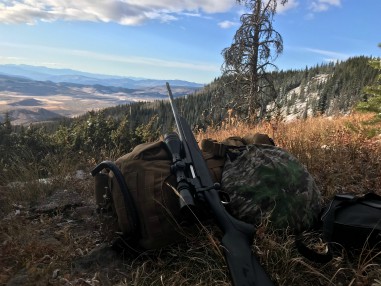
We got deeper & faster into the backcountry than our hunting competitors and on the first best electric mountain bike quietcatmorning we saw 3 elk walk into a pasture on the backside of a mountain at 10,500 feet. Without the QuietKats this would have been a painful journey and getting an elk here would have made for a long day of packing meat out with at least one extra trip up the mountain. With the QuietKat & trailer, just one trip down the mountain, elk & gear. 
Overall:

We give the QuietKat four thumbs up. Super fun. Super easy to ride. Versatile, you can use them for things besides hunting (ex: commuting, camping, bug out, military operations, etc). Charging was easy, just remove the battery and bring it inside. There is something about the power and quietness of these bikes that will blow you away. I was dreaming about an American Spec Ops unit using these to insert quietly outside of ear shot of the sound of a helicopter, I could see it in the future. Bottomline, they are fun to ride.  

Video: 

This is not our video but we felt this video from Bowsite.com hit it out of the park and captured our thoughts as well. Take a look. 

Please visit QuietKat for more information.  Use discount code SurvivalCacheFS on the QuietKat website for free shipping if you decide to order one. Or you can look at QuietKat on Amazon.

Visit Amazon Affiliate Sponsors of Survival Cache.

The post Survival Gear Review: QuietKat All Terrain Electric Mountain Bike appeared first on Survival Cache.


Electric Hunting Bike – QuietKat Bike Review Read More »

10 Powerful Medicinal Plants From Around the World That Can Save Your Life

Have you heard of the healing properties of the California Poppy? What about the health-promoting nutrients of alfalfa? Check out this article to learn which plants have powerful medicinal purposes.

10 Powerful Medicinal Plants From Around the World

There are literally hundreds of medicinal plants across the globe – some of which may be unfamiliar to you. Here is a list of 10 powerful medicinal plants from around the world that may come in handy when you travel.

Note: The information in this article is for informative purposes only and should not be taken as medical advice.

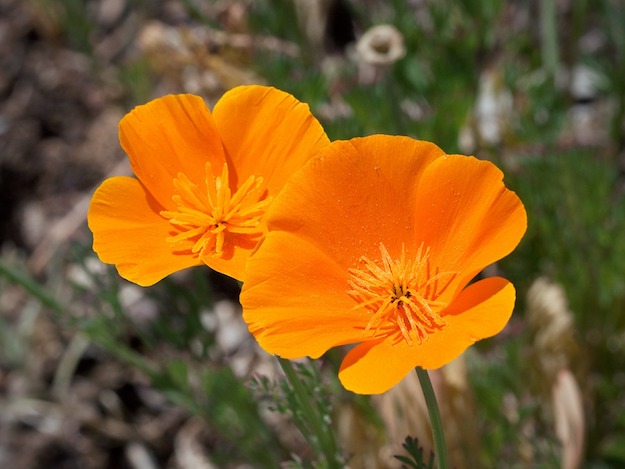
1. California Poppy

California Poppy | Powerful Medicinal Plants From Around the World

This opioid plant is used as an anxiety reliever and is even safe for use in children. The California poppy can be made into a tea for quick relief of nervousness and tension. A stronger decoction will offer pain relief. (A decoction is made by “stewing” all safe parts of the plant, including stems and roots if possible, in water for several hours.) Best when soaked overnight.

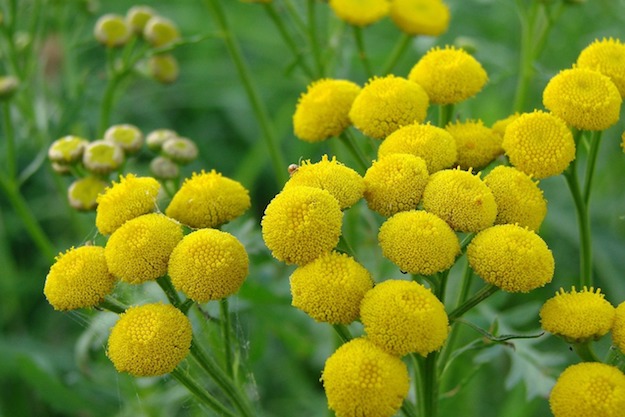
2. Tansy

Tansy | Powerful Medicinal Plants From Around the World

This plant can be found throughout Europe. Rubbing the leaves on the skin provides an effective bug repellent, but tansy can also be used to treat worms. It is said to be poisonous when extracted, but a few leaves are not harmful if ingested.

3. Alfalfa

Alfalfa | Powerful Medicinal Plants From Around the World

Alfalfa is incredibly rich in minerals and health-promoting nutrients and compounds. With roots that grow 20 to 30 feet deep, alfalfa is considered the “father of all plants”. Alfalfa originated in the Mediterranean and Middle East but has now spread to most of Europe and America. It is believed to soothe symptoms of morning sickness, nausea, kidney stones, kidney pain, and urinary discomfort. It is also a powerful diuretic and has a bit of stimulant power, helping to energize the human body after a bout with illness. It is also a liver and bowel cleanser, and with long-term use it is believed to help reduce cholesterol. You can purchase seeds and sprouts, but it’s fine to eat the leaves straight from the earth.

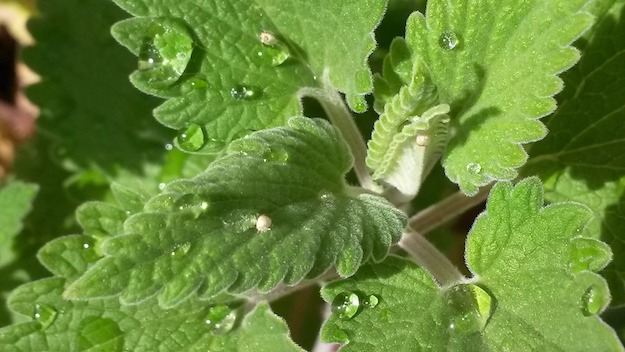
4. Catnip

Catnip | Powerful Medicinal Plants From Around the World

Catnip isn’t just for cats – it’s great for humans as well. It can be found in the Northern Hemisphere. This useful plant can relieve cold symptoms and even break a fever, as it promotes sweating. Catnip also helps stop excessive bleeding and swelling when applied topically rather than ingested.

Note: Catnip can stimulate uterine contractions, so it should not be consumed by pregnant women.

5. Sage

Sage | Powerful Medicinal Plants From Around the World

Sage is an incredibly useful herb, widely considered to be perhaps the most valuable herb. It is an anti-inflammatory, antioxidant, and antifungal. Sage also aids with digestion, helps relieve cramps, reduces diarrhea, dries up phlegm, fights colds, reduces inflammation and swelling, acts as a salve for cuts and burns, and kills bacteria.

Sage is native to the Mediterranean region, though it has naturalized in many places throughout the world.

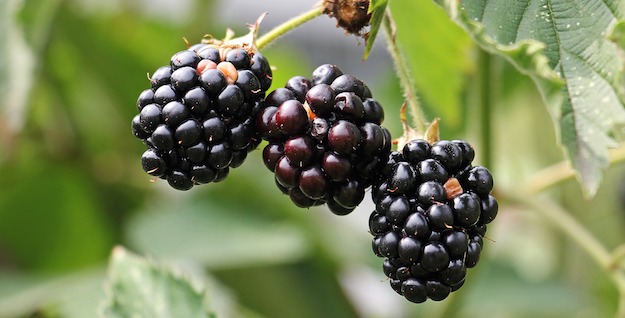
6. Blackberries

Blackberries | Powerful Medicinal Plants From Around the World

Blackberries are loaded with antioxidants and vitamins, but the leaves and roots also have value. Native Americans used the stems and leaves for healing, while enjoying the young shoots peeled as a vegetable; and they enjoyed the berries either raw or in jams. The leaves and root can be used as a treatment against dysentery and diarrhea, as well as being used as an anti-inflammatory and astringent. Ideal for treating cuts and inflammation in the mouth.

7. Navajo Tea

View this post on Instagram

It’s that time of year! #navajotea

A post shared by Akira (@meowssolini) on Jun 5, 2018 at 4:00pm PDT

Navajo Tea — also called greenthread, Plains Tea or Coyote Plant — has been used for centuries by Native Americans to quickly relieve the most brutal and irritating of infections: the UTI (urinary tract infection.) Best when made into a tea or decoction.

8. Feverfew

Feverfew | Powerful Medicinal Plants From Around the World

Feverfew is a plant that has well-known health properties and medicinal benefits. This anti-inflammatory plant can treat symptoms of rheumatism, arthritis, migraine headaches, and tension headaches. It’s also good for alleviating tension and general anxiety, as it is a natural serotonin inhibitor. It also helps to reduce swelling and bruising. Though feverfew is most effective when taken daily, it can be a helpful pain reliever.

9. Winter Savory

Winter savory is your savior against insect bites and stings. One of the most effective natural plant treatments for bug bites, it is originally from Europe and the Mediterranean but often shows up elsewhere thanks to global trade. In addition to being an antiseptic, it is delicious – used for flavoring meats and stews. All parts of this plant are edible.

10. Wild Quinine

View this post on Instagram

Wild quinine or American feverfew (Parthenium integrifolium): One of my favorite perennials, it produces corymbs of bright white blooms all through the summer and into fall. It generally flowers at 3 to 4 feet but tolerates heavy pruning (or mowing) in late spring, then starting to bloom in midsummer and reaching 18 to 24 inches. It’s tough enough for a meadow setting but also looks handsome in the garden. It’s a favorite with pollinators—particularly a variety of bees and flies—and it makes a sturdy-stemmed, long-lasting cut flower. Colorful fall foliage. Self-sows gently. Some interesting medicinal uses. And…my deer don’t touch it. Can’t ask for much more than that! It’s recommended for dryish soil but has no problem with my winter-wet soil here in Zone 6/7. Native to the eastern half of the US but now extirpated in PA and endangered or threatened in a few other states. #wildquinine #americanfeverfew #partheniumintegrifolium #nativeplants #nativeperennials #whiteflowers #favoriteperennials #corymb

A post shared by Nancy J. Ondra (@nancyjondra) on Jul 6, 2018 at 1:27pm PDT

Wild quinine is a potent herb that has traditionally been used in alternative medicine to treat debility, fatigue, respiratory infection, gastrointestinal infection, and venereal disease. Whatever the ailment, quinine is famously helpful in treating it. Only the root and flowers are edible – avoid the plant.

Check out these related articles:

30 Medicinal Plants That Could Save Your Life

“Need To Know” Rules When Picking Edible & Medicinal Plants

Top Medicinal Herbs To Grow At Home | Homesteading Tips

Picking Edible & Medicinal Plants – Must Know Rules

For awesome survival gear you can’t make at home, check out the Survival Life Store!

Sign-Up-For-Survival-Life-Subscribe-Button

10 Powerful Medicinal Plants From Around the World That Can Save Your Life Read More »

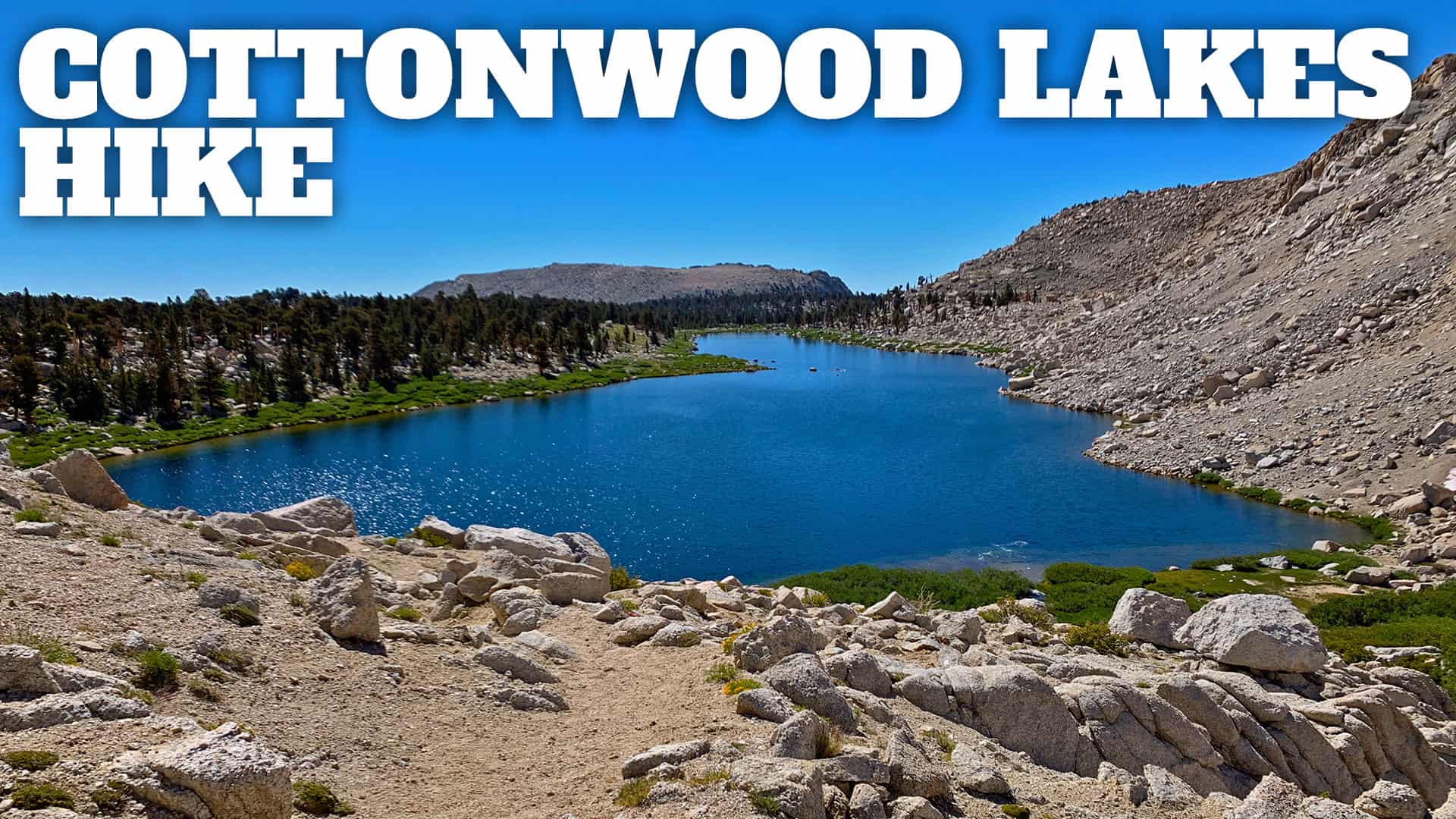
Cottonwood Lakes Hike

Cottonwood Lakes Hike

The Cottonwood Lakes hike probably gives you the most  bang-for-your-buck in the Eastern Sierra. The hike starts from the Cottonwood Lakes Campground, already at 10,000 feet, so your car does most of the legwork to get you to altitude. From there, the Cottonwood Lakes Trail gently makes its way through pristine alpine terrain to a series of several crystal-clear alpine lakes, all in the shadow of the high Sierra peaks like Mt Langley. Every step of this must-do hike is spectacular, so give it a try.

The post Cottonwood Lakes Hike appeared first on HikingGuy.com.

Cottonwood Lakes Hike Read More »

National Take a Hike Day

Did you know that today is “National Take a Hike Day”? Each year, on November 17th, National Take a Hike Day is observed by hikers across the country. Though the origins of this day seem to be a little murky, it appears that it may have been started by the American Hiking Society. Whenever and whoever started the day, hiking has its roots firmly planted in many of the same societal trends that shaped our country. According to the National Today website:

Hiking, while a major part of our culture today, wasn’t always the ubiquitous weekend warrior activity is today. Before Walden, Thoreau, and John Muir there was Romantic and Transcendentalism movement, art and cultural shifts to the natural order and time spent being outside. A reaction to the Industrial Revolution, train schedules, 90 hour work weeks and more.

The idea of taking a hike turned romantic and peaceful.

If you can’t actually make it onto a trail today, you can still download a copy of my book, “Ramble On: A History of Hiking,” to learn about the rich and amazing history of one of the world’s top pastimes, which will help to explain why today is now recognized as a “national holiday”.

Happy Take a Hike Day!

Jeff
HikingintheSmokys.com
RockyMountainHikingTrails.com
HikinginGlacier.com
TetonHikingTrails.com
Ramble On: A History of Hiking

National Take a Hike Day Read More »

Isobaa Merino Women’s 180 Long Sleeve Crew

Isobaa Women's Merino Base Layer: Off-set shoulder seams

Isobaa Women’s Merino Base Layer: Off-set shoulder seams

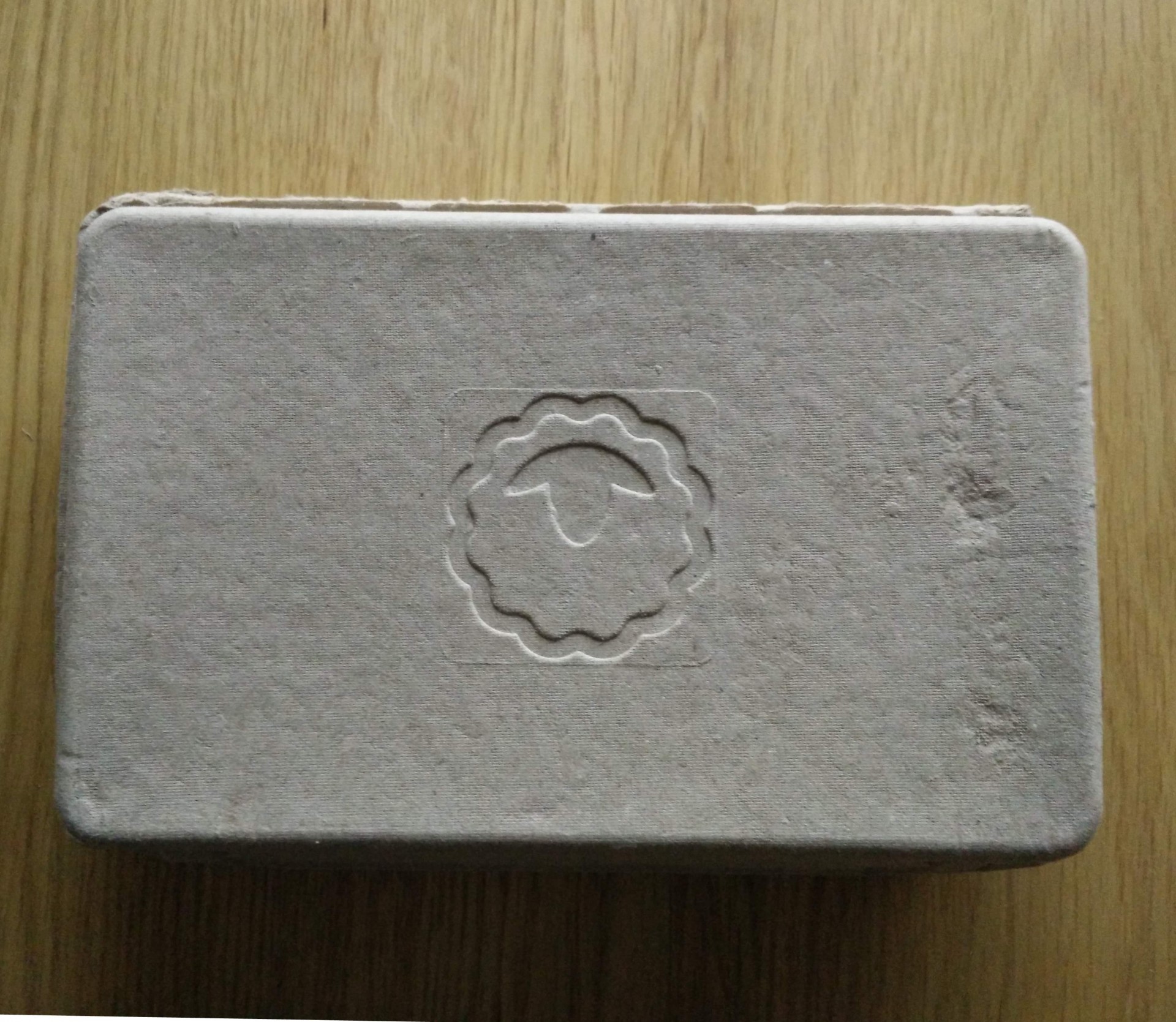
At Best Hiking we can’t get enough of Merino base layers, but so far it has mainly been base layers for men we have been asked to test and review. Therefore, I was head over heels when I got the opportunity to test the Isobaa 180 crew-neck base layer. I really appreciate the brand’s philosophy on sustainability where they advise their customers to not “be sheepish, purchase with purpose” and “wear longer, wash less, reduce your impact”. This is exactly what we advise our readers to do in the article How to reduce the environmental footprint of your outdoor clothing. Isobaa has also taken the ethical choice of only sourcing the Merino wool from sheep which have not been subjugated to the painful mulesing process. Furthermore, the brand’s garments come in packaging made of recycled materials – in this case, a cute egg tray-like box in which I now keep envelopes and stamps.

I received the Isobaa base layer in late summer – a perfect time to begin testing this long-sleeved mid-weight Merino top. I have since then worn it both on hikes and in everyday life, and concluded that the Isobaa Merino 180 Long Sleeve Crew is suitable for:

  • Hiking
  • Mountaineering
  • Backpacking
  • Trekking
  • Travelling
  • Climbing
  • Everyday use

Material

The Isobaa Merino 180 crew-neck base layer is, as the name indicates, made of 100% Merino wool with a fabric density of 180 g/m2 which makes it a mid-weight fabric, albeit in the lighter end. The Merino fibers used for the fabric are of the superfine quality by being just 18.5 micron in diameter. Being 100% Merino wool, this high-quality fabric of course has all the qualities listed in the article Why you should wear Merino Wool – like softness, breathability, anti-microbial (anti-odor) properties and natural UV protection.

Since it is a mid-weight base layer, I would recommend it for all seasons but summer – although those sensitive to cold might wear it when the rest of us would go for a light-weight Merino fabric (<150 g/m2). In general, Merino wool keeps you warm when it’s cold and comfortably cool when it’s warm (but not hot hot) weather. The Merino fabric is also quite stretchy which proved to be crucial for me fitting into the base layer both before and after the birth of my first child.

Comfort, fit and sizing

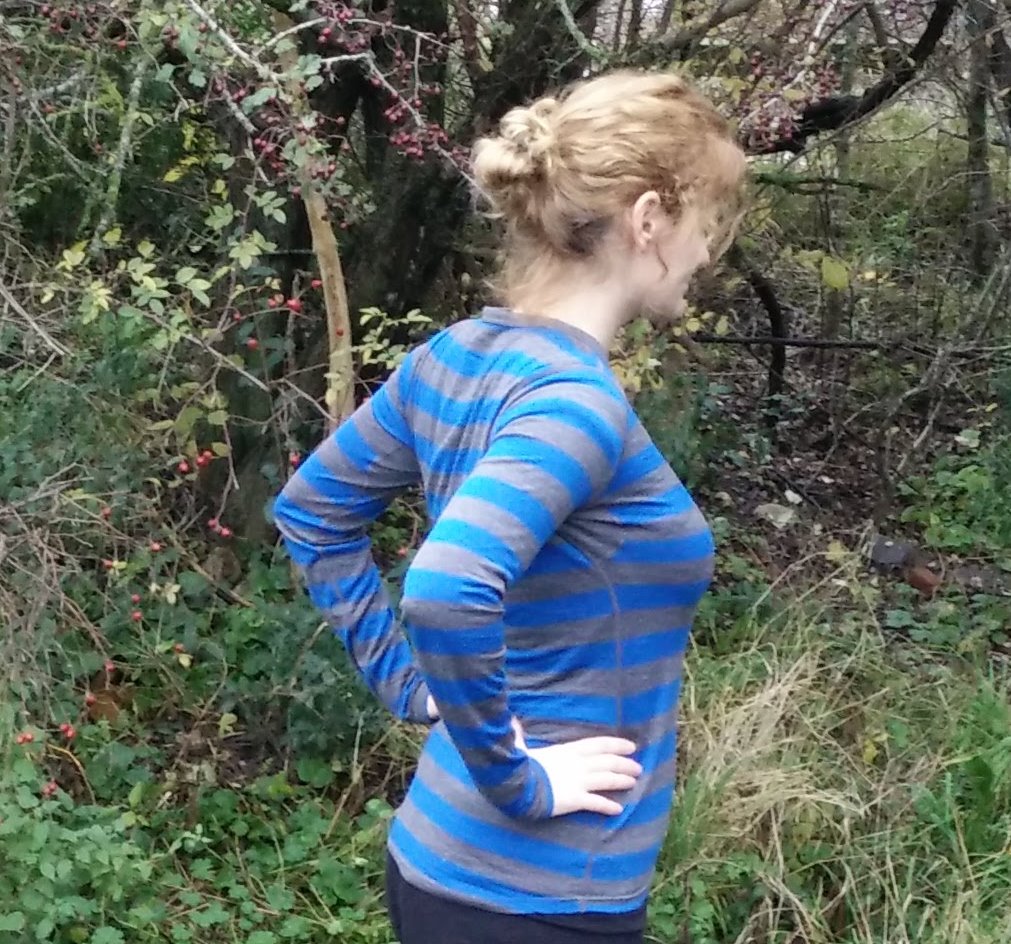
I was almost eight months pregnant when I received the Isobaa base layer and was thus a bit anxious whether I really would fit into the size M that I had asked for – and if so, if I would fit into it after giving birth as well. My fears turned out to be groundless as the top fitted me perfect both before and after birth due to it being rather long in the torso and the fabric being quite stretchy. I gained around 14 kg (31 lbs.) in total during my pregnancy but had lost 10 of them already a week after the birth. With the majority of the extra weight centered on my mid-section, one could fear that the base layer would be too tight or short, but the stretchiness of the Merino fabric turned out to be just right. In fact, I ended up wearing the Isobaa top a lot during the last weeks of my pregnancy as it was one of very few tops which I could fit comfortably into while having my protruding belly covered. The Isobaa base layer is indeed rather long in the torso which was particular great during my pregnancy – but also afterwards as I’m a bit taller (1.73 m/ 5’8’’) than the average European woman.

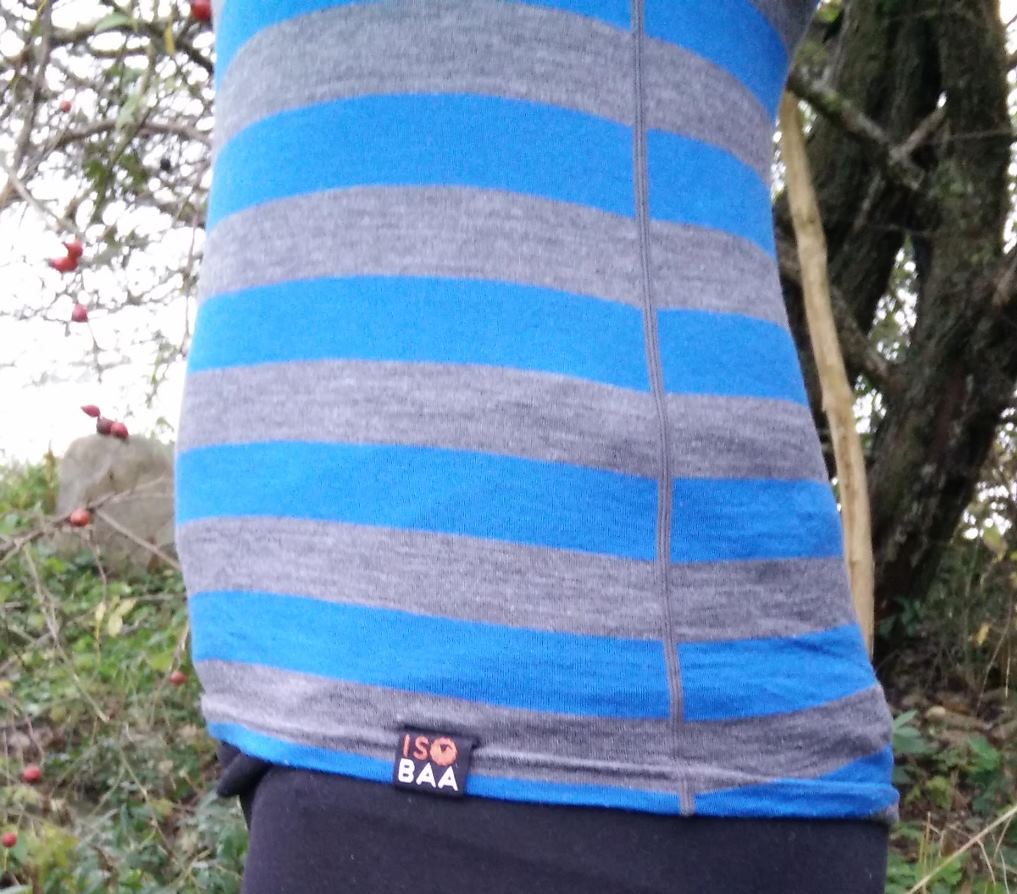
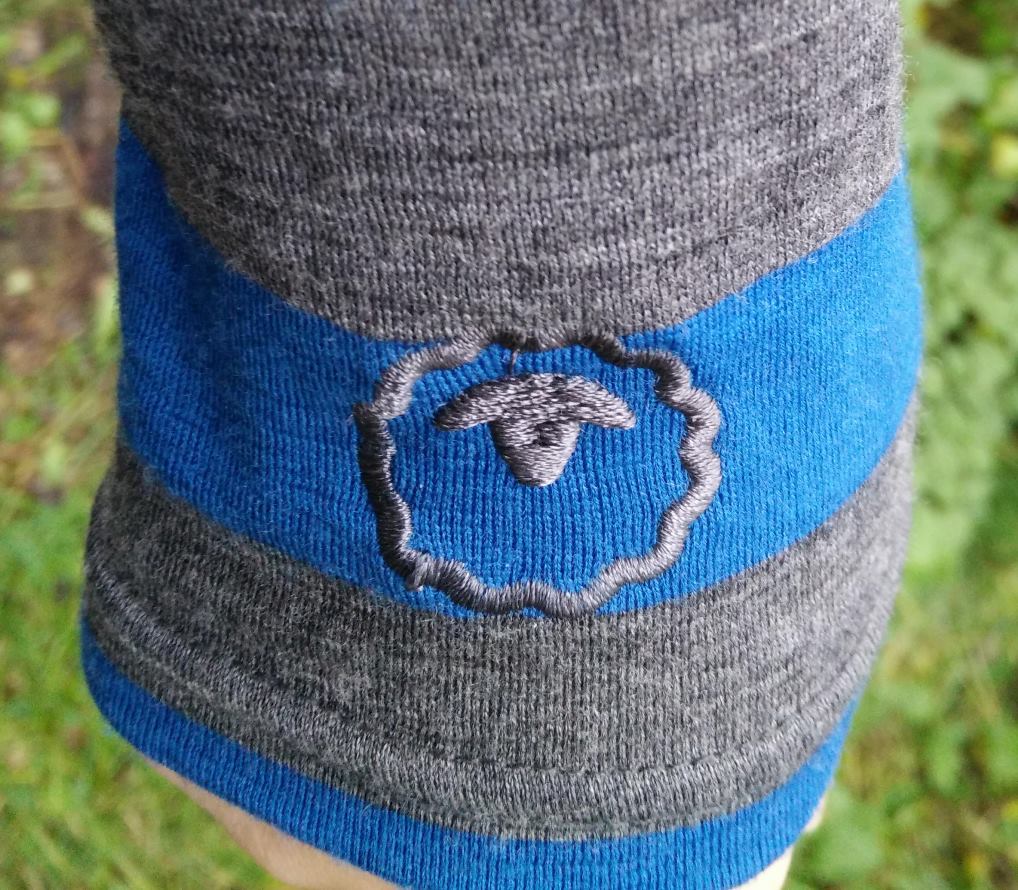
I measured the length of the side seam from the hem and up to the armpit to compare it with the length of my other base layer tops, and sure enough – the Isobaa is 5-8 cm (2’’-3’’) longer than all of them. In addition, the base layer has a drop tail hem for a little extra coverage. The only downside of all this extra length is that also the sleeves are a bit too long for me. It’s of course no problem to simply roll them up at the cuffs, but the right cuff has Isobaa’s cute sheep head logo embroidered so it’s bit of shame having to roll it up. All in all, the extra length will probably be appreciated by taller persons while the petite should go for the smallest size they can possibly fit into.

Functionality

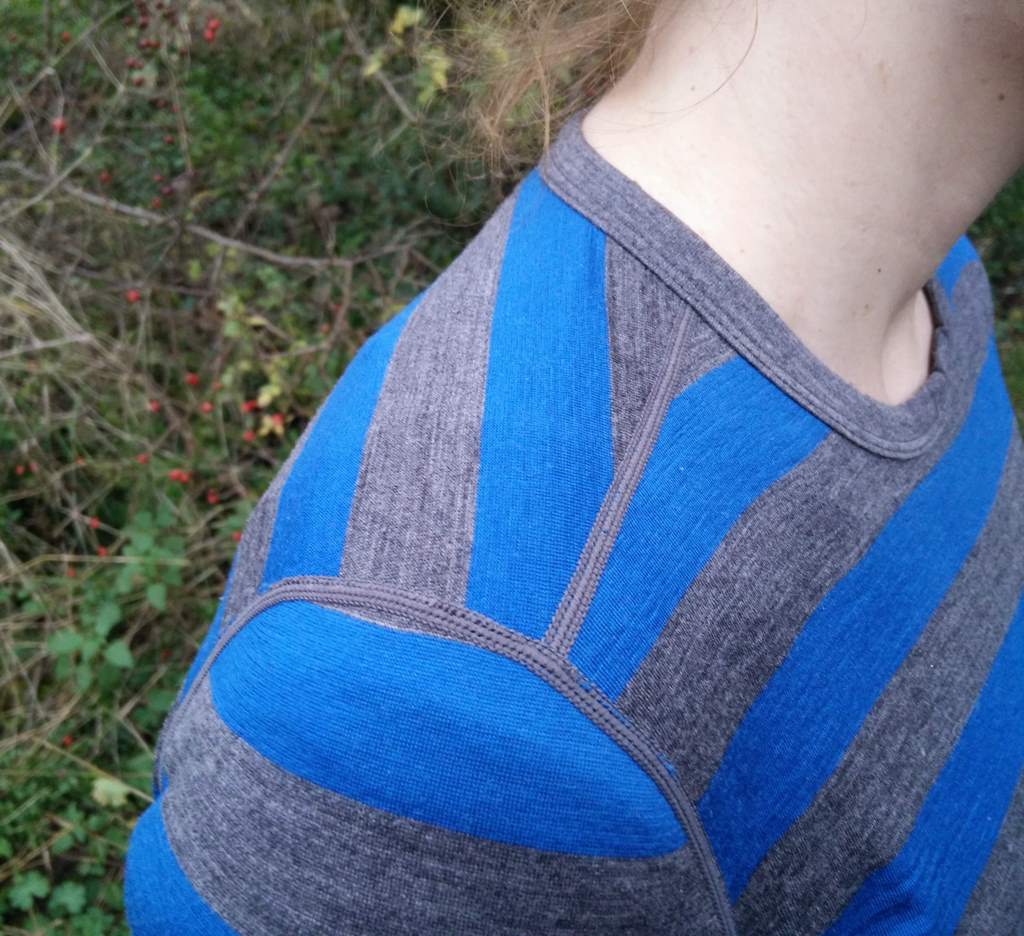
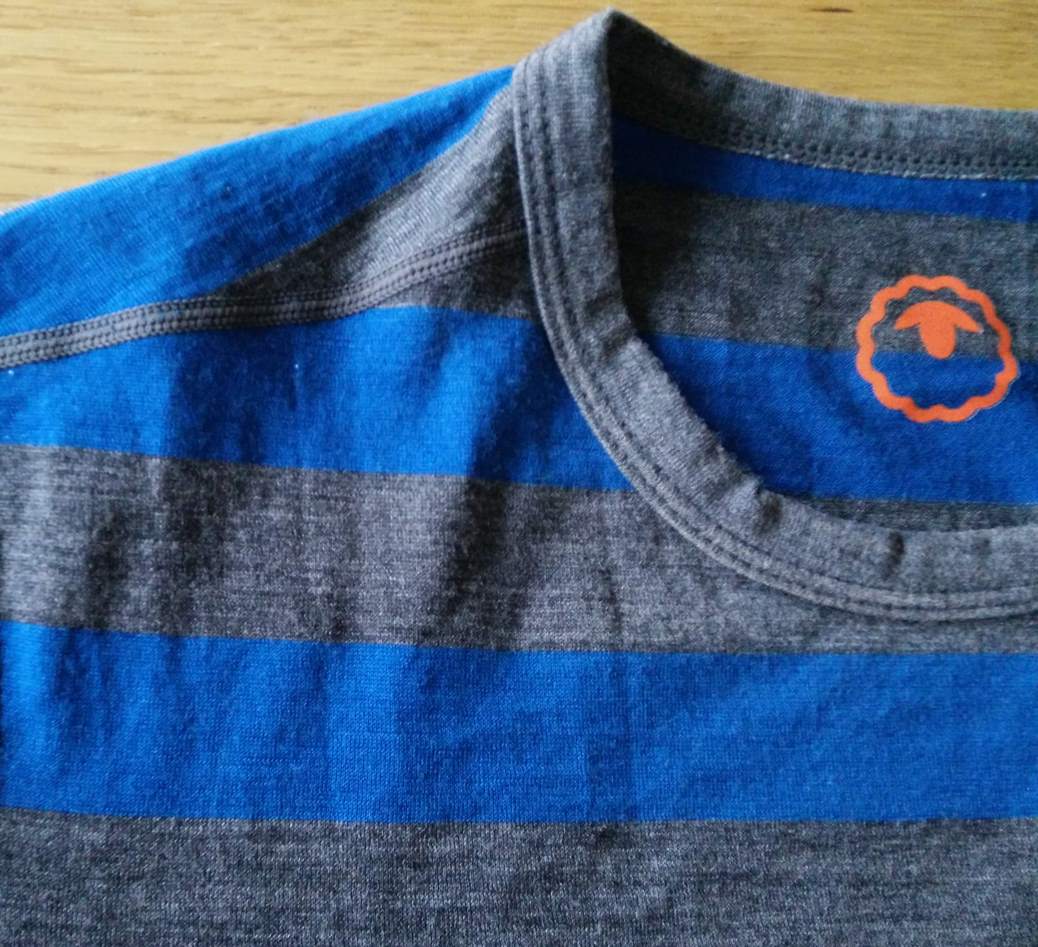
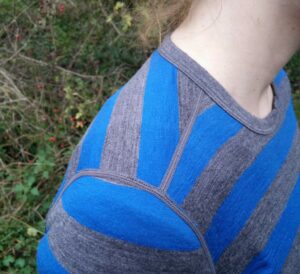
As such, the Isobaa womens base layer just looks like another long-sleeved crew neck top in a high-quality material, but it has several small but functional details which makes it even more comfortable to wear for outdoor activities as well as everyday use. Firstly, it utilizes flatlock seams which are crucial to avoid chafing when wearing a rather snug-fitting base layer as this is. The shoulder seams are also off-set in order to minimize any painful rubbing when wearing a (heavy) backpack.

There are also underarm gusset panels to avoid having any seams chafing the sensitive skin in the armpits. Now, these gussets are made of a solid color (grey) fabric while the rest of the base layer is a grey/blue striped fabric, and I couldn’t help but think if sweat stains would be more or less visible if the gussets were made of the same fabric as the rest of the shirt… Maybe Isobaa researched it? In any case, the gussets provide good freedom of movement, and the drop tail hem prevents the top from riding up – even if you have to stretch while climbing, scrambling etc.

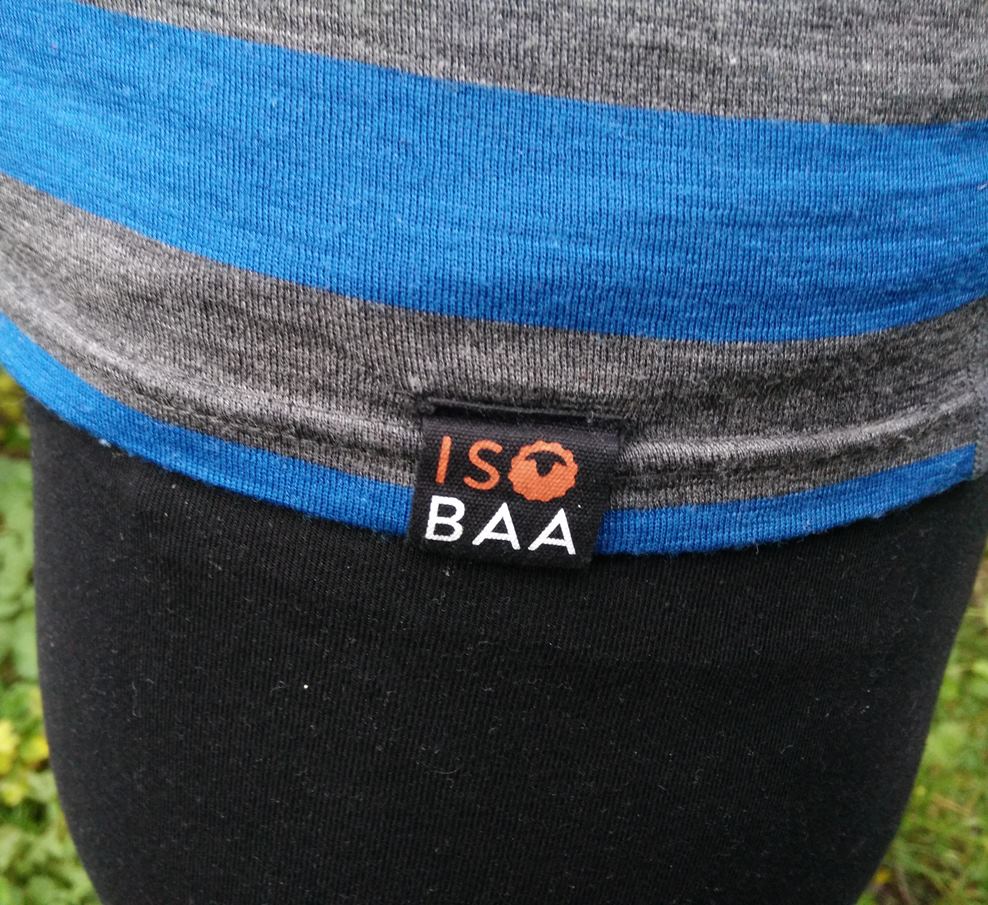
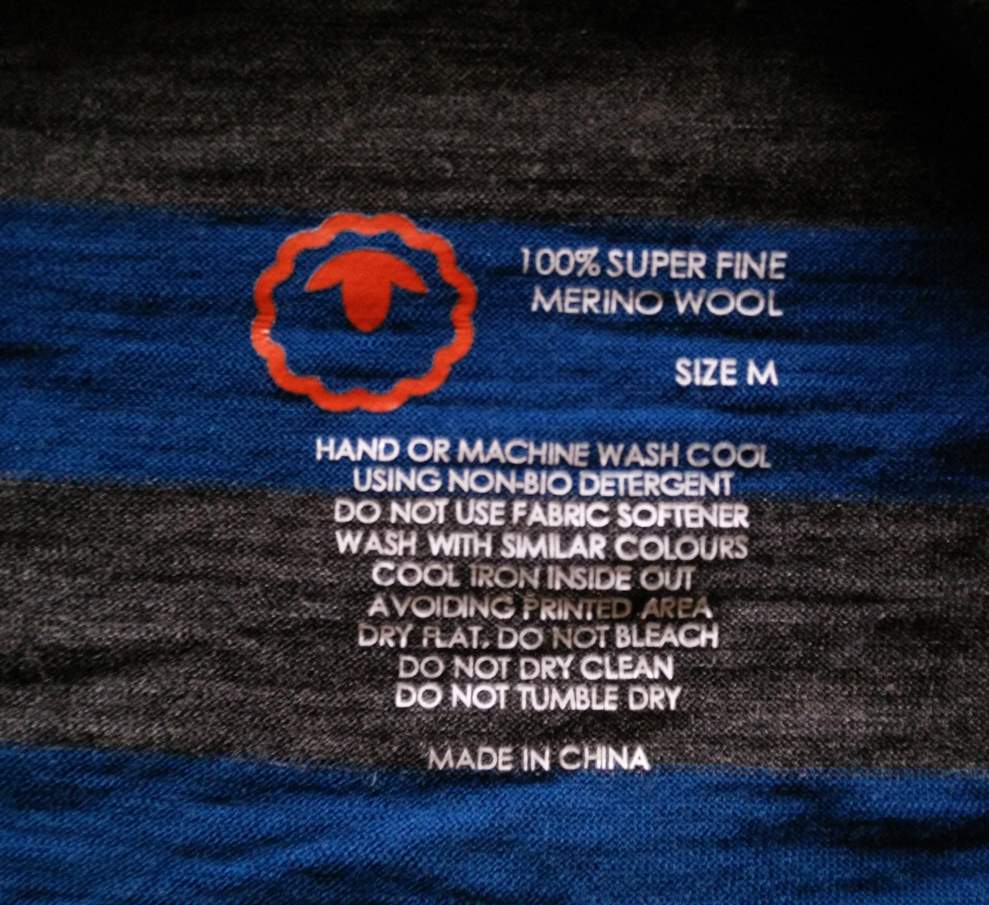
Isobaa has also eliminated the potential of any chafing from labels as the neck logo and washing instructions are printed directly on to the fabric itself. There is only a folded hem logo label and the embroidered sheep head logo at the right cuff which didn’t bother me the slightest.

Washing and drying

As usual with Merino garments, the Isobaa base layer should be washed in cold water (30⁰ C or less, whether by hand or machine) and air-dried, preferably flat. You should avoid using fabric softener and bleach and tumble-drying the garment – especially the latter will significantly decrease the lifespan of any Merino garment. Isobaa also has a page dedicated to describing how to best care for their apparel where you can for example read about a trick to avoid piling on the wool fabric – which is to occasionally wash your Merino garments with apparel of coarser fabrics such as denim, as this will help to remove loose fibers and keep the surface smoother. I didn’t know this trick, but I will definitely try it out as I can’t stand piling on any garments. For now, however, there is no such problem with the Isobaa base layer, but I will of course update this review, if there should come any durability issues later.

Verdict

I was so happy with the Isobaa 180 base layer that it has become a staple in my wardrobe – both for outdoor activities and everyday use. I think it will slowly but securely take over from my other Merino base layer which was the patient under scrutiny in the article How to repair Merino garments, but is slowly unravelling, nevertheless. No Merino garment will last forever, but with proper care a high-quality base layer like the Isobaa 180 crew neck will last for several years.

If you have any questions about this product, drop me a line in the comments below.

Isobaa Women's Merino Base Layer: From the side

Isobaa Women’s Merino Base Layer: From the side

Isobaa Women's Merino Base Layer: Drop tail hem

Isobaa Women’s Merino Base Layer: Drop tail hem

Isobaa Women's Merino Base Layer: The sleeves are slightly too long

Isobaa Women’s Merino Base Layer: The sleeves are slightly too long

Isobaa Women's Merino Base Layer: Embroidered logo at right cuff

Isobaa Women’s Merino Base Layer: Embroidered logo at right cuff

Isobaa Women's Merino Base Layer: Underarm gussets

Isobaa Women’s Merino Base Layer: Underarm gussets

Isobaa Women's Merino Base Layer: Hem logo label

Isobaa Women’s Merino Base Layer: Hem logo label

Isobaa Women's Merino Base Layer: Neck logo and flat-lock seams

Isobaa Women’s Merino Base Layer: Neck logo and flat-lock seams

Isobaa Women's Merino Base Layer: Washing instructions

Isobaa Women’s Merino Base Layer: Washing instructions

Rating

Design
Quality
Comfort
Functionality

About Rating

Pros:

  • Quality
  • Breathability
  • Moisture-wicking
  • Droptail hem
  • Soft and smooth fabric
  • Torso length

Cons:

  • Slightly too long sleeves


Details

Tested by: Laura P.

Review date: 2019-11-07

Product: Isobaa Women’s Merino 180 Long Sleeve Crew

Final rating: 5 out of 5

{
“@context”: “http://schema.org”,
“@type”: “Product”,
“brand”: {
“@type”: “Organization”,
“name”: “Isobaa”
},
“image”: “https://besthiking.net/wp-content/uploads/2019/11/7.-Off-set-shoulder-seams.jpg”,
“name”: “Isobaa Women’s Merino 180 Long Sleeve Crew”,
“review”: {
“@context”: “http://schema.org”,
“@type”: “Review”,
“author”: {
“@type”: “Person”,
“name”: “Laura P.”
},
“creator”: {
“@type”: “Person”,
“name”: “Laura P.”
},
“publisher”: {
“@type”: “Organization”,
“name”: “Best Hiking”
},
“reviewRating”: {
“@type”: “Rating”,
“ratingValue”: “5”,
“bestRating”: 5,
“worstRating”: 0
},
“datePublished”: “2019-11-07”,
“name”: “Isobaa Merino Women’s 180 Long Sleeve Crew”,
“headline”: “Isobaa Merino Women’s 180 Long Sleeve Crew”,
“itemReviewed”: {
“@type”: “Thing”,
“name”: “Isobaa Women’s Merino 180 Long Sleeve Crew”
}
}
}

How helpful was this post?

Click a star to rate it!

1 vote(s) so far. Average rating 5 out of 5.

Post Author

Post Author

Laura P.

I loved to climb trees when I was a child – as an adult I use these skills for climbing and scrambling up mountain sides! I always wear a Merino baselayer, sunscreen and my hair tousled.

You may also like…

The post Isobaa Merino Women’s 180 Long Sleeve Crew appeared first on Best Hiking.

Isobaa Merino Women’s 180 Long Sleeve Crew Read More »

15 Things For Communities To Do After SHTF

A lot of guys enjoy the fantasy of the badass survivalist who makes it on his own in a post-apocalyptic world. If you ever played Fallout, you know what I’m talking about. You got your guns, your supplies, and your canine companion, and that’s all you need. But reality is very different. In a post-SHTF […]

The post 15 Things For Communities To Do After SHTF appeared first on Urban Survival Site.

15 Things For Communities To Do After SHTF Read More »

Shining Rock Wilderness Temporarily Closed to All Visitors Due to Wildfire

A wildfire was reported at approximately 3:00 am Thursday morning near Cold Mountain in Haywood County on the Pisgah Ranger District. Currently the fire is at approximately 106 acres.

The wildfire is burning within the Shining Rock Wilderness on the Pisgah Ranger District. The U.S. Forest Service has implemented a forest closure order for the entire wilderness area which prohibits all recreational uses, including the use of 53 miles of trails.

There are 30 firefighters working on the fire today and a crew will continue working throughout the night.

There will be heavy smoke in the area throughout Thursday night as a result of smoldering in the burn area. There is no imminent threat to structures at this time. Crews have been performing structure protection activities and this work will continue through Friday.

Agencies involved in the response include USDA Forest Service, NC Forest Service Haywood County Emergency Management, Cruso Fire Department, and National Park Service.

Jeff
HikingintheSmokys.com
RockyMountainHikingTrails.com
HikinginGlacier.com
TetonHikingTrails.com
Ramble On: A History of Hiking

Shining Rock Wilderness Temporarily Closed to All Visitors Due to Wildfire Read More »