My first contact with workplace health and safety was as an Administrative Officer in the Victorian Department of Labour in the late 1980s before moving to the Occupational Health and Safety Authority, the precursor to WorkSafe Victoria, in the early 1990s. I worked in the Major Hazards Branch and was involved in preparing options for the relocation of the Coode Island chemical storage facility before it exploded.
What drives you?
The Health and Safety profession has been notoriously shy in expressing opinions for many reasons including timidity, insecurity and laziness. This reluctance has contributed to the dominant perspective of H&S as a business nuisance rather than a profitable aid to business. My frustration with this caused me to write and speak about H&S as an unavoidable and legitimate element of business.
What helps you slow down?
Glass of wine and a good book is the easy answer, but I also welcome the isolation possible from wearing a helmet when riding motorcycles or motor scooters in the country. It’s particularly pleasant when it takes about an hour of riding to get to a client.
Regrets?
Hundreds but one of particular note was sitting on a plastic chair in a crowded café one morning in Melbourne and unexpectedly farting, very loudly.
The other regret is more recent – mentioning farting in a blog article.
Favourite fiction writer?
Diana Wynne Jones. I met her a couple of times and corresponded with her. Her books of Young Adult and Fantasy fiction have flown under the radar but are vivid and sometimes so complex, I still can’t understand what happened after several readings.
What is one trend you are watching keenly?
I never thought the Mullet would ever reappear!
It’s more an evolution than trend but watching OHS become a legitimate part of the corporate calculations of non-financial risk is important.
Person/s who you watch and take inspiration from in H&S that you think will have an increasing impact in the sector:
There is no one single person from within H&S. Australia has never had an H&S champion of national recognition, but I am very impressed by many of the young thinkers who have emerged from H&S and who are starting to analyse H&S in non-traditional contexts.
One individual I admired greatly and who had enormous potential to change our understanding of work-related psychological harm and suicides was Professor Allison Milner.
What are you most excited about in our sector?
As a man in my 50s, I have more frustrations than excitements, but I am trying to avoid crusty, old cynicism as it has never been healthy.
I am excited about the increasing recognition that H&S is most effectively achieved by personal, face-to-face communication. This applies to harm prevention and psychological health. The challenge is that this is an expensive option, but Cost is supposed to be one’s last consideration of practicable control measures. We need to keep pushing the long-term and cultural value of talking to each other.
No amount of Artificial Intelligence or teleconferencing will ever match the value of looking someone in the eye, listening to their story and suggesting options that might help.
What’s your favourite quote?
It’s more of a phrase. My Nana, Bess, used to preface many of her answers with “All being well”. She grew up in the north of England in the first half of last century and understood the basic fragility of life – war, poverty, the requirement to make do with what you had, unreliable electricity, and more. At that time, one needed to rely on community and family. You “dropped in” on people for a cuppa and a chat, and to see that they were safe, healthy and “alright’. There was a lot of adversity but also a lot of love. Bessie’s “all being well” acknowledged that uncertainty but was also a commitment to help, whenever she could.
Biggest issue facing the H&S profession?
That H&S is still largely considered a joke and a business nuisance.
What do you wish you had understood sooner?
How to avoid debt
What would you like to see to improve collaboration in our sector?
Allocating time and resources to talk with peers and colleagues in a range of business and professional sectors. Seeing professional development within business hours as a legitimate business activity.
What should you have been doing whilst you answered this?
Cleaning the gutters, trimming the hedge, sweeping the path, and applying for jobs.
TL;DR: Need help deciding if I should go hike the Appalachian Trail, or if I’m an impulsive idiot who’s out of touch with reality.
I’ve been trying to make a decision on this and I need some people to debate me (I’m going to argue back) and help me see sides I haven’t considered. This is impulsive and kind of insane, and I want to make sure I shouldn’t be hiking to a mental institution rather than hiking the Appalachian Trail.
The situation: I’m in the process of selling my house and will be walking away with a nice chunk of cash. The original plan was to use the money to pay off debt, find a cheaper house to rent, and continue on with life as normal. However I realized that I will be in a unique situation after closing – I will have 0 housing costs (if I don’t sign a lease on a rental), minimal bills, and a bigger bank account balance than I’ve ever seen. Ive been getting increasingly frustrated with my job. I loved it in the beginning, but the money isn’t what I thought it would be (the reason I’m selling the house in the first place), and I leave it feeling drained and demotivated every day. I’ve been considering looking for a different one.
The idea: Quit my job and use the money from selling the house to go hike the AT. The money from the house would cover expenses for the length of the hike, and would give me a cushion to find another job when I got home.
Other factors to consider: 1. I’m 34, female, and would be hiking solo. I plan on starting mid-March and finishing mid-late August. 2. I’ve been hiking for years and made the transition to backpacking about a year ago. I have most of the gear I would need and I know how to use it. I recently completed a 100-mile solo hike in about 5.5 days. The goal of hiking the AT is not a new goal. I’ve wanted to do it for a long time but never really saw a way to make it happen before now. 3. I have 2 young kids: 10 and 7. Me and their Dad are divorced. I officially have primary custody, however we’ve unofficially switched to more of a 50/50 arrangement. He still pays me child support weekly, but I give him back the same amount every week. 4. I’m in a relationship that is still very new – 7 months by the time I leave. It’s going very well and I see a potential future here. He’s incredibly supportive and is the main voice telling me to go for it, but I worry that being gone so long at the beginning of a new relationship would kill it. He said he would fly out to hike a couple sections with me. 5. I would possibly like to have another kid in the future. 6. I only have a general associates degree, no bachelors. No idea what I want to “be when I grow up”. The industry I work in is small, and I don’t think I would be able to get a similar job.
Why should I do it? Why should I not? What’s the right answer?
There is a by-product in your drinking water. THMs. It’s regulated and limited. However it apparently can cause cancer. Here’s how to mitigate it yourself..
When I was about 10 years old, my Grandfather made my brother and I each a gift – a wooden maul for splitting wood. It’s made from a large 8″ diameter x 4-foot hickory log. I remember when I could barely lift it. It was a practical gift and a true working man’s tool. While I didn’t appreciate the work that went into carving it at the time, it was the perfect tool for crushing the enemies of my favorite GI Joe and He-Man warriors. Almost 35 years later, I still have that maul. It’s as good now as the day I received it. It’s stained and a little beat up, but it’s a great tool that reminds me that all gifts don’t have to be bought. Some of the best ones are made.
So today, my gift to you is to show you how to make a wooden mallet or maul of your own or for a gift.
My 33-year-old hickory maul that my Grandpa made for me.
From driving in tent stakes to pounding a wedge for splitting wood, a solid wooden hand mallet has countless uses around base camp. Not only is it useful, it’s a really fun project. Besides, having a mallet on hand is always a good idea and packing in a hammer isn’t fun. You can make your own in just a few minutes, while the bread is rising in the dutch oven. While these can be made as large as you’d want, the tutorial below shows one that is a perfect size for light duty pounding.
Start with a solid, seasoned log that is approximately 3-4″ in diameter x 12-15″ long. The first step is to saw in what’s called a “stop cut” to form the head of the mallet. Saw all the way around the log and leave the center of the log untouched. This untouched area will ultimately form the handle of the mallet. The excess will be trimmed or batoned away in the following steps. Remember, you can always make the stop cut deeper but you can never put wood back in. Start by making the stop cut a little more shallow than you think you will need, especially if this is your first mallet.
4″ x 12″ log with stop cut all the way around.
Next, begin to trim away the excess wood from the handle portion of the mallet. The stop cut will prevent you from accidentally splitting off the head portion of the mallet.
Using a knife to split away excess wood from around handle.
Continue to split and carve away wood from around the handle until it’s the desired diameter.
Once the handle is close to the diameter you’re wanting, simply finish it off by carving away any rough edges or splinters. A final coat of linseed oil or beeswax will protect the wood and keep your mallet in working order for years to come.
What uses can you think of for a wooden maul or mallet in the woods?
Hiking quotes always bring a smile to my face. I guess that’s natural since I’m the Hiking Lady, but I know these will inspire you to get outside and hike your favorite trail
When I inflate the mat, if I shine a torch behind each baffle, I can see that the down is unevenly distributed in the baffles (particularly the outermost ones).
When I hit the pad and shake it around a little, it does redistribute the down.
Have other Downmat users noticed this issue? If it's something common to all downmats then I will just live with it, however I am wondering whether this might be a defect.
For info, I've owned 4 Synmats, but this is my first Downmat.
Recycling aluminum cans is great. But recycling a prepping wives’ tale is bad. Yet so much of the basic prepping information available in books and on websites includes recycled information based more on wishful thinking and popular fiction than on science and historical lessons. Doc Montana solos on this podcast with his 7 Deadly Prepper Sins. Seven popular, often recycled, prepper bits of wisdom that might not just be wrong, but dangerous, and in fact, unpatriotic.
Want to comment about this podcast? Sound off below in the comments.
A fun episode with lots of opinions, click on one of the links below to listen now or download to your phone and listen later. Also, if you love the podcast, please leave us a review on iTunes, Stitcher, or Podbeam. It really helps!!!
Located toward the top of the Appalachian Mountains and blanketed in lush forest, Vermont has a lot to offer in terms of scenery. Apart from the scenic landscape, the Green Mountain State is also home to more than 1 million … Continued
We’re all familiar with long action and short action rifles, but how about a third option — the Mini Action!
Is it worth getting into?
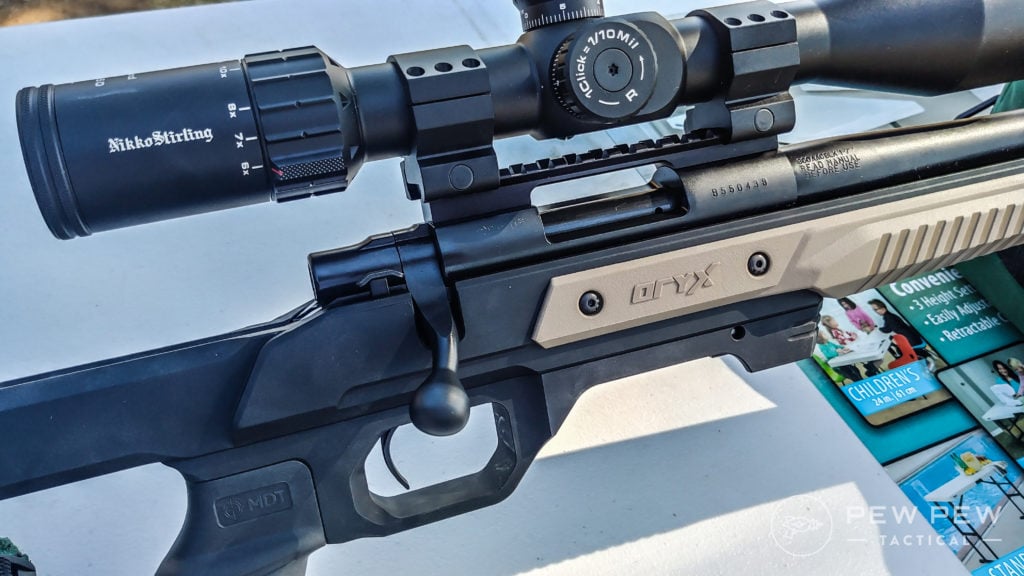
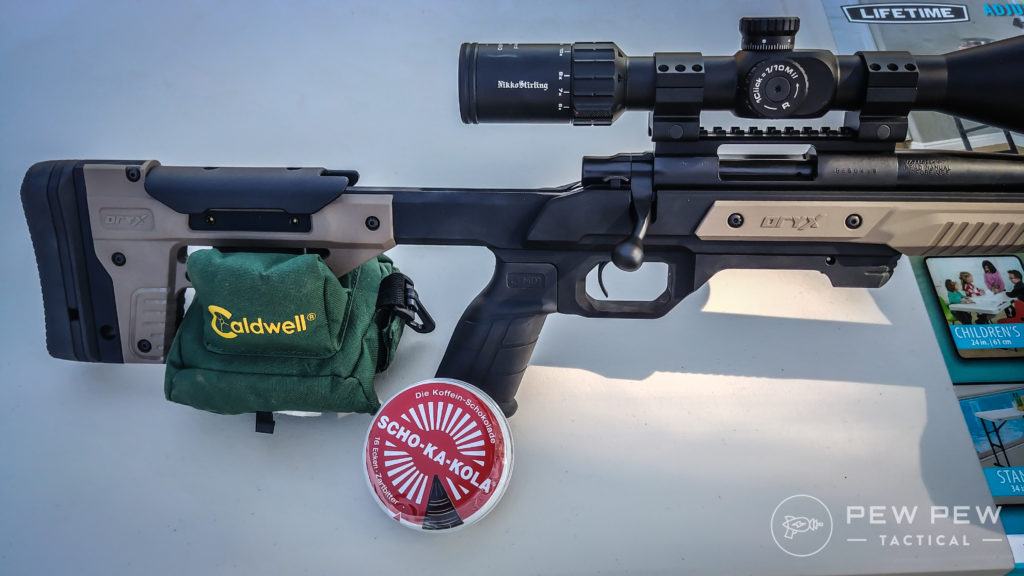
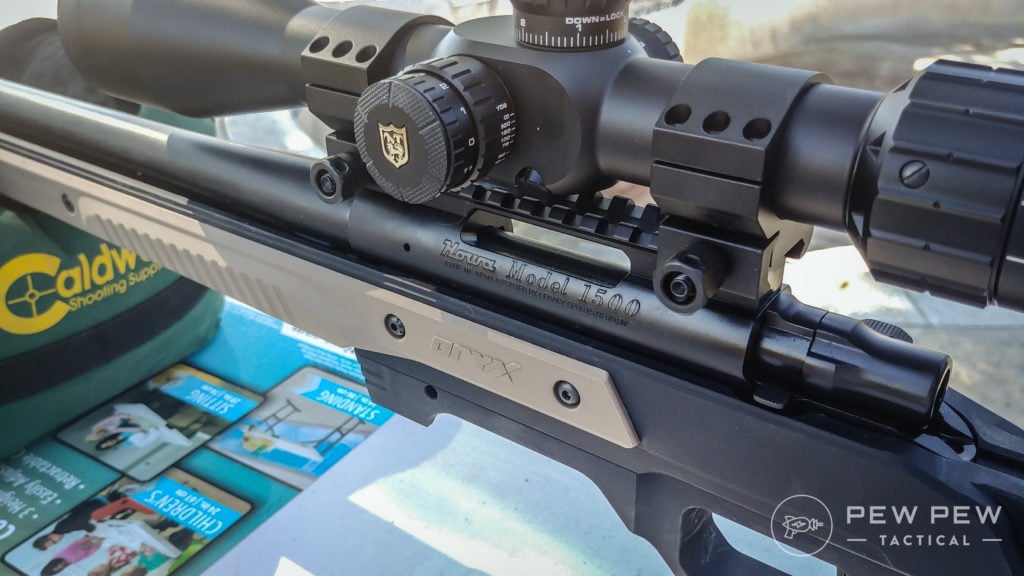
Howa Mini in 300 Blk on an MDT Oryx Chassis topped off with a Nikko Stirling 6-24×50 scope!
I’ve been testing this Howa 1500 Mini-Action in .300 BLK for several months now, so let’s get into the good, the bad, and the interesting about it!
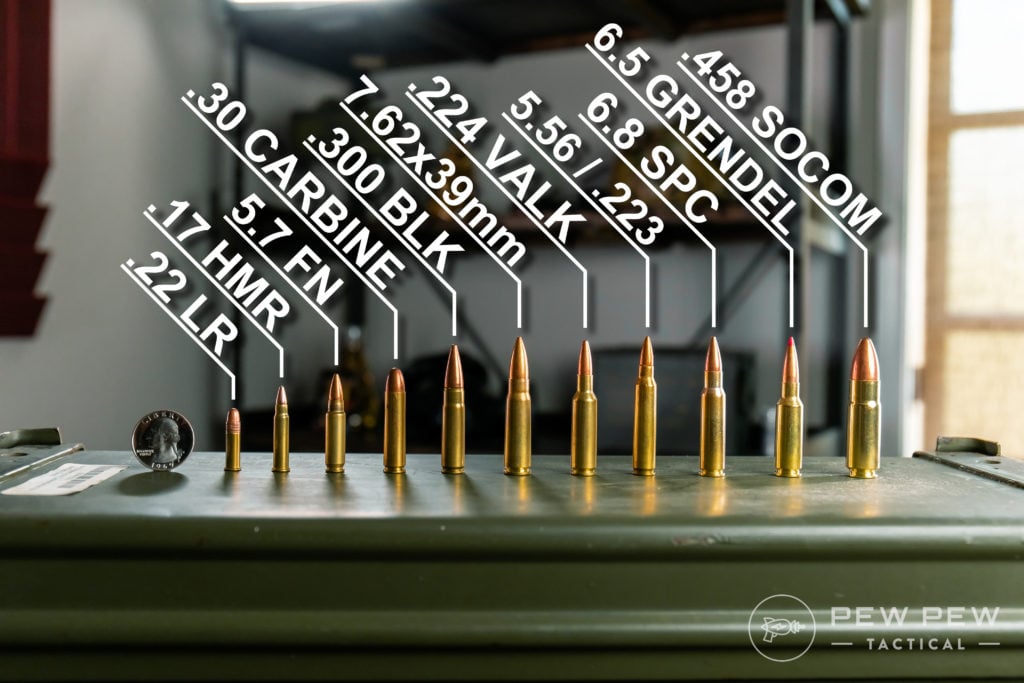
Designed for smaller cartridges like .223 Rem/5.56 NATO, .300 BLK, and 6.5 Grendel, Howa’s Mini Action is exactly what you would expect. A smaller, shorter, more compact and handy action.
The Howa 1500 is a dead on reliable action and a great option for a shooter looking for a new bolt rifle build.
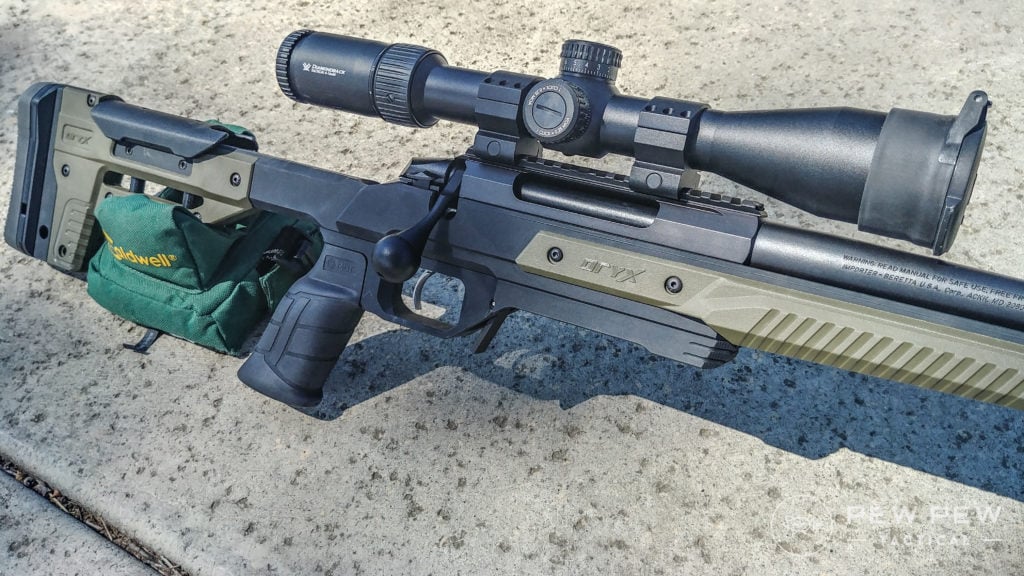
And the Oryx Chassis by MDT is an outstanding precision chassis for the budget-minded person.
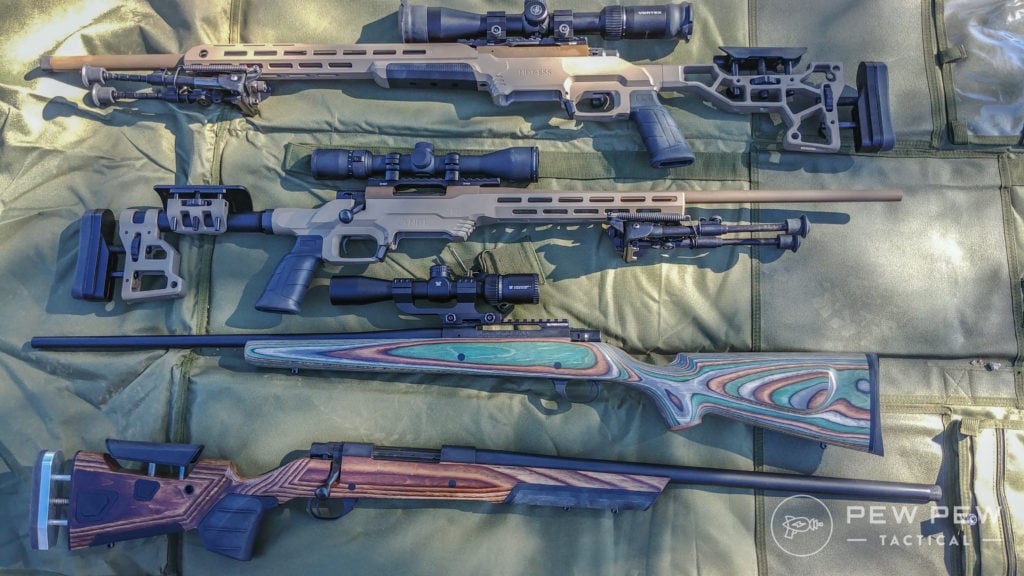
A range of Howa 1500 Rifles in MDT LSS-XL and ESS Chassis and Boyd’s Rifle stocks
I know this because I’ve reviewed both individually before!
This Howa 1500 Mini Action is their very popular .300BLK chambering with a 16″ threaded barrel.
.300 BLK sits just left of middle in this chart
Legacy Sports also has their 0 MOA scope rail and their Nikko Stirling scope all as a package set for a target shooter or hunter.
But it comes in a fairly wide range of calibers such as the aforementioned 5.56, 7.62×39 and 6.5 Grendel.
While in the Oryx chassis it is more fit for target shooting, it is also a great setup for a dedicated hunting build for game such as hogs or other pests and predators.
It also comes with Howa’s famed HACT trigger — a 2-stage trigger that is crisp, light, and one of the best factory triggers on the market right now.
Oryx Chassis
MDT is known for their top of the line chassis such as the ESS and ACC. But their first real push into the budget chassis world comes from their sister brand Oryx Chassis Systems.
Delivering on that elite level quality that you would expect from MDT proper, Oryx gives you what you need in a chassis without weighing you down with extras to drive up the price that only the top-level shooters will really get the value from.
I love the Oryx and pairing it with a Howa Mini-Action makes for a very sweet rifle.
Nikko Stirling Dimond 6-24×50
While it’s a name most people haven’t heard, it is the brand of scopes that Legacy Sports includes in most of their scoped rifle packages.
It also comes with a lot more features than its price point would lead you to expect, such as being FFP, illuminated, waterproof, shockproof, and nitrogen filled.
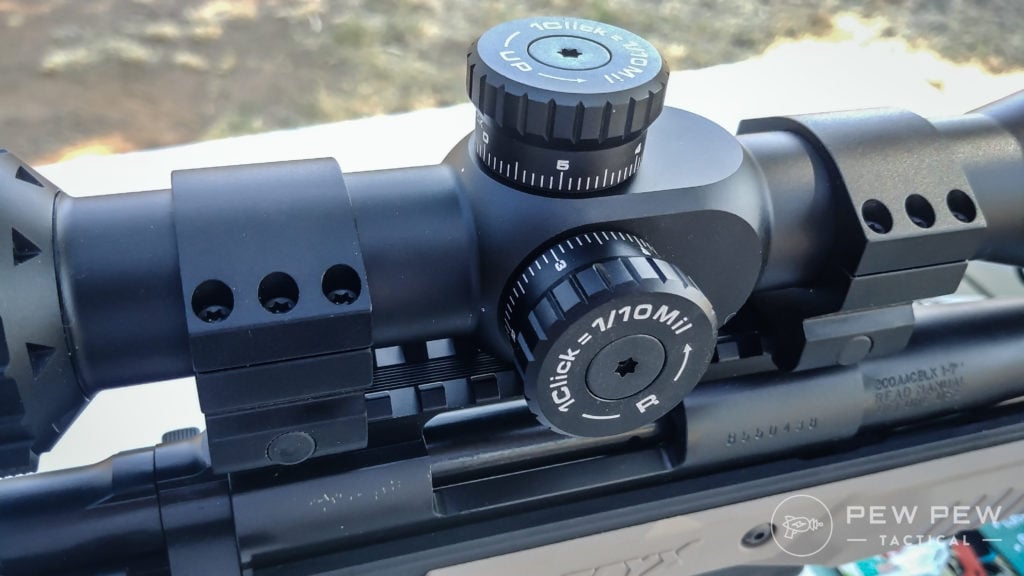
The turrets are well-fitting, turn easy without being loose, and the markings are… partly easy to read.
Inside the scope, the reticle falls a little flat but isn’t bad at all and for most applications will suit the shooter very well.
Range Report
This turned out to be a MUCH better shooter than I was expecting.
I don’t have a lot of experience with .300 BLK but after getting to really use it and play around with a couple of loadings, I really dig it in this format.
Most of my plinking and getting to know the rifle was done with Sellier & Bellot 147-grain FMJ .300BLK ammo.
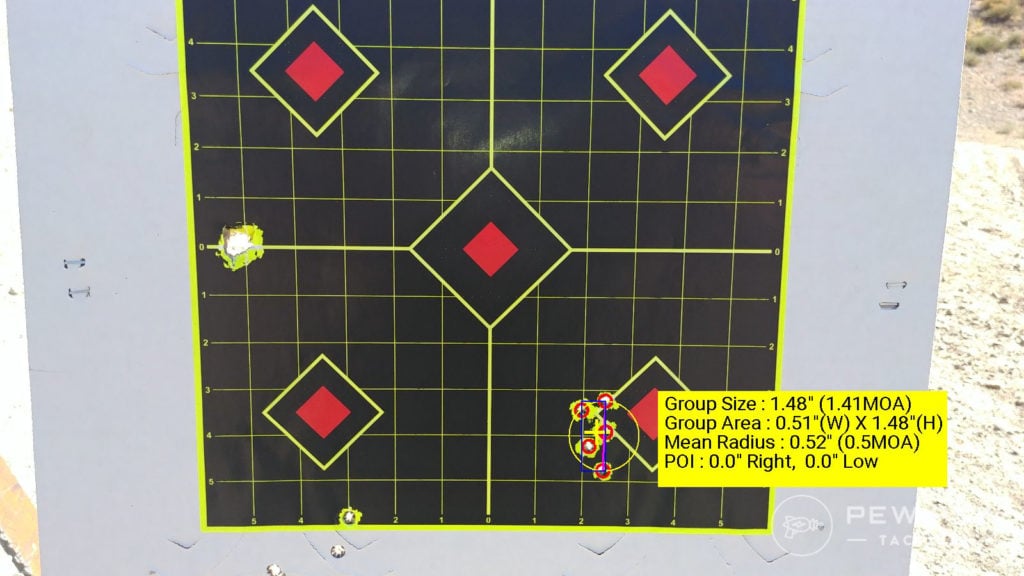
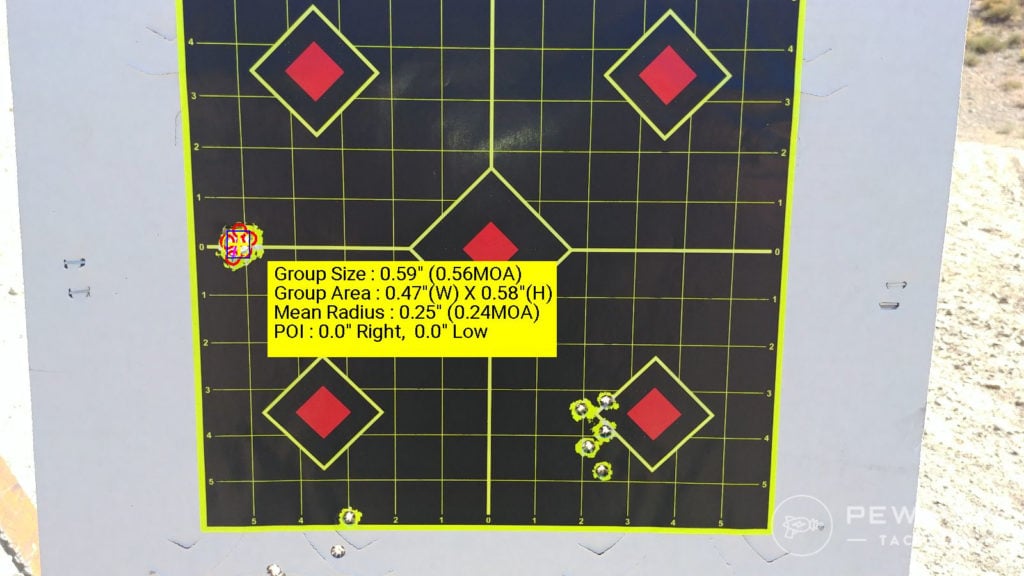
It shoots a little bleh, but still pulled in groups averaging around 1.5 MOA with solid consistency.
Needless to say, the Howa 1500 and Oryx chassis passed with flying colors.
Everything except the magazine…
Issues Found
As discussed, the Howa action and MDT chassis are awesome. They are awesome in larger forms and awesome in their mini form.
However… I really got a bone to pick about these magazines.
I’ll state my point now and then show you what I’m talking about: The Howa magazines are really low-quality feeling and have working issues.
I am disappointed with them.
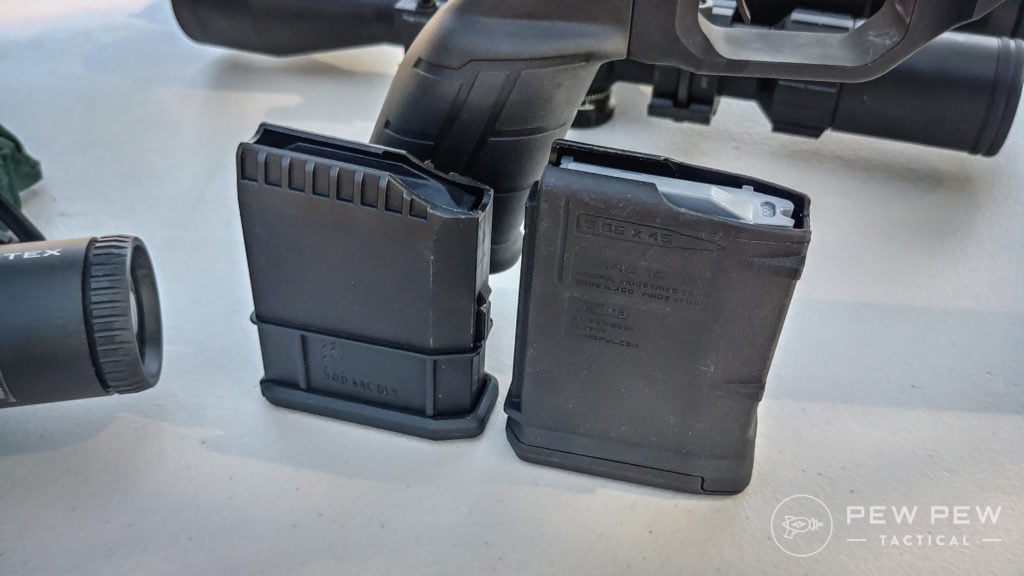
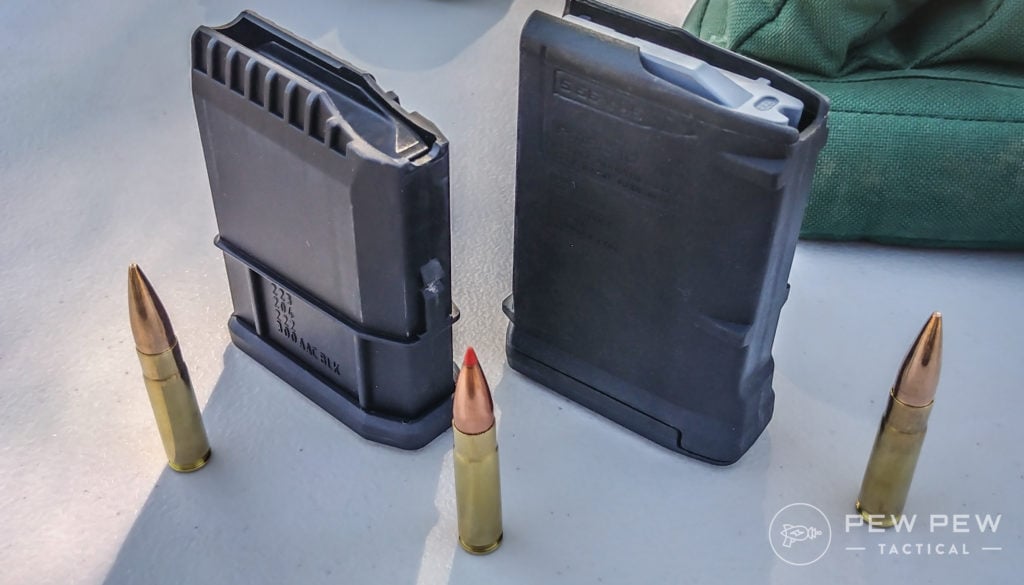
(left) Howa 1500 Magazine (right) Magpul 10-round PMAG
Right from the start, you pick it up and you just know it is thin, cheap, and ready to break.
The walls flex when you apply even the slightest pinch to them, the baseplate rattles because it fits poorly, and the feed lips look ready to snap at a harsh word in their direction.
The lock-up into the Oryx Chassis is strange, to say the least.
Using a front locking paddle-style release, it requires to firmly press up on the front corner of the magazine to seat — even when empty and on an open bolt.
Failure to press the magazine in that exact spot results in the magazine not locking into place or having to wack it hard enough that over-insertion is a common problem.
Note the lug in the middle of the Howa mag and the bright white wear mark already visible.
Replacements are EXPENSIVE clocking in at $50-60. For that price, they should be made out of gold-trimmed titanium, not ultra-thin microplastic.
I would absolutely consider the magazines to be a critical weak point of the system.
Budget Scope Packed With Features
While the magazines for the Howa left me really disappointed, the Nikko Stirling scope was better than I expected.
From the price point, you know you’re getting a budget scope. But that isn’t always a bad thing, especially with modern optics.
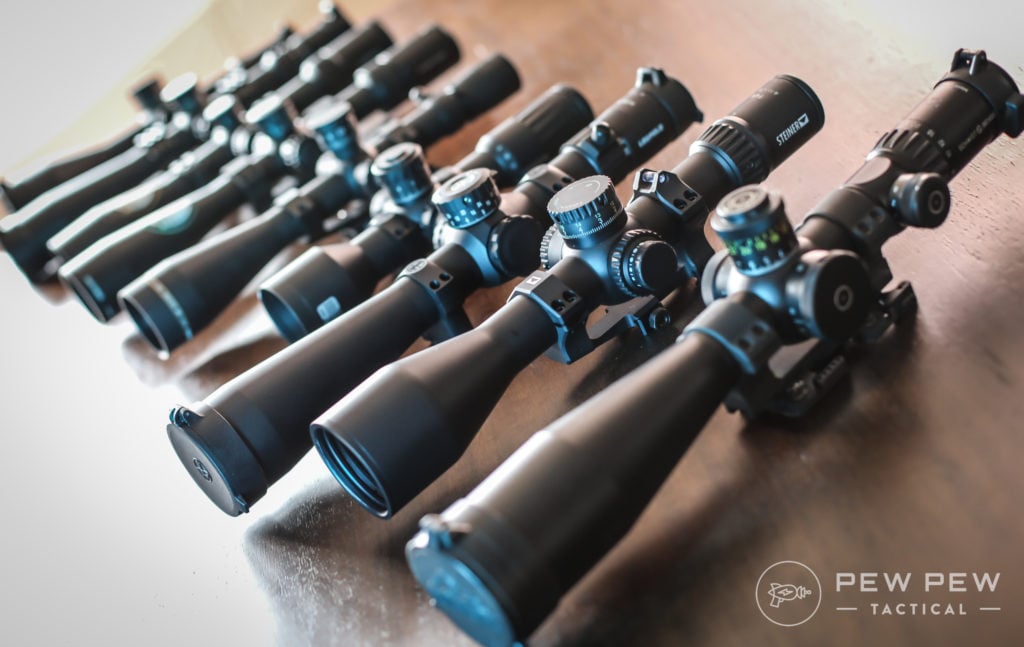
Great optics aren’t cheap, but cheap optics can be decent. Check out the Best Long Range Scopes!
The glass is very clear and the light transmission was good enough. Zero color deformation that my eyes could see and the targets were very clear and sharp.
There is a good amount of fisheye and blurriness at the edge of the scope, but it didn’t affect my shooting and is to be expected from budget-minded glass.
Reticle in the Nikko Diamond is functional with decent holdover markings and range estimation marks also, standard in a MilDot scope.
Nikko Stirling Diamond 6-24×50
Adjustments on the scope are very smooth, the magnification adjustment is almost slick feeling and all of the clicks are positive and auditable.
The center crosshair was slightly thicker than I like, but that is a personal preference.
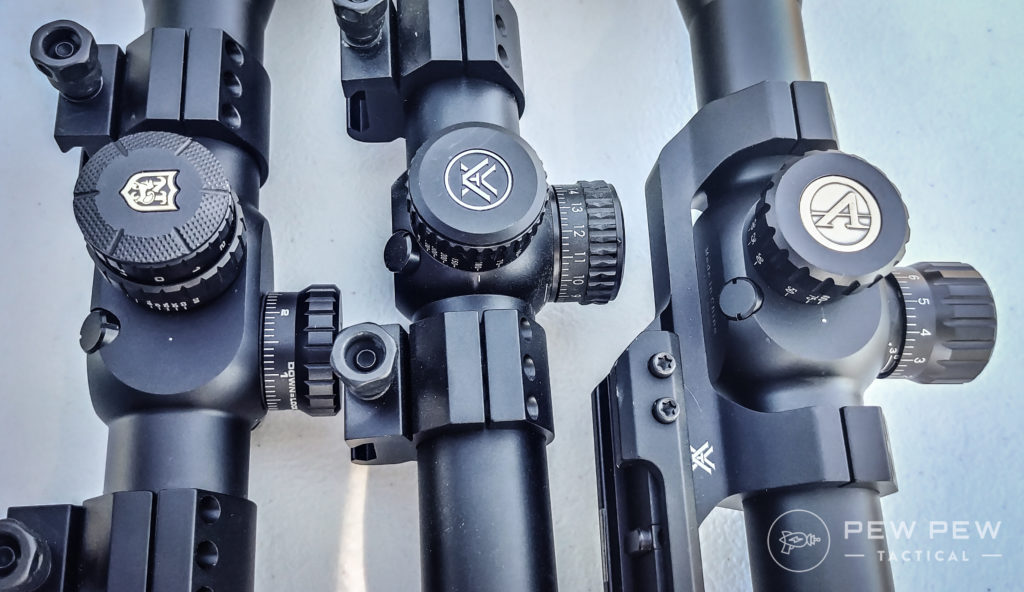
Really, the only thing I didn’t like about the scope was the markings on the side and top that correlate to the turrets. These white dots are just so small for no reason.
See? They are tiny! This was annoying, but not critical. The dot is literally half the size of the dot Athlon uses and 1/4th the size of the dash that Vortex has.
For the price – the features punch above their weight class and the glass is good enough to serve you well.
However, in an age when brands like Vortex, Athlon, and Primary Arms offer budget-minded optics that come with bulletproof warranties — Nikko-Stirling falls short.
The warranty offered, while lifetime, only covers the original owner and might require the original proof of purchase…
Who keeps proof of purchase? I sure don’t.
Also, electronic parts are only covered for 5 years. So if the illumination burns out in 6 years, you’re SOL.
Full Disclosure
While the unit shown in this review did fine on durability (not that I was rough or throwing it around…) this was actually the second Nikko-Stirling scope that was sent.
The first was destroyed during shipment. Attached to the rifle, the scope arrived at my FFL with the rear of the scope from the magnification ring back bent at an 11-degree cant.
No visible damage to the rifle box or overpacking box.
Verdict For Nikko Stirling
If you’re getting a Nikko Stirling as part of a Howa 1500 package set, it’s a decent scope that will serve as a starter well.
However, if you were to be going out and buy one… I couldn’t recommend it since there are better options at the same price point.
Both Athlon and Vortex have amazing warranties, better glass, better reticles, and are built much more stoutly than the Nikko-Stirling is.
All of that said — I would like to point out that the scope worked great. Really great.
If they upped their warranty a little and maybe ruggedized the scope a bit more, I would say that it would be a major contender in the budget optics space.
The Package As A Whole
Even with the shortcomings of the magazine and scope, I like this setup a lot more than I thought I would. I really didn’t expect to get as much out of it as I did and overall I’m impressed with the package.
The 16″ barreled mini-action Howa 1500 is awesome. I want one in 6.5 Grendel but if .300 BLK is your thing, you really should take a look at this.
Sadly, being in California I wasn’t able to put a suppressor on it… but if I could, I think that is where the .300 BLK will truly shine.
Howa 1500 Mini, Oryx Chassis, Nikko-Stirling scope, and Scho-Ka-Kola chocolate
Having it paired with the Oryx Chassis is really a match made in heaven. The chassis works outstanding and really helps increase the accuracy of the system.
The Oryx is a little heavy to be a hunting chassis, but it isn’t bad either. If you’re in a blind or working off a tripod this would be outstanding.
By The Numbers
Reliability: 5/5
The only issue I had was locking the magazine in place, other than that it was 100%. Extraction on the S&B ammo was tight, but that was the ammo’s fault as it seems to happen with every bolt gun I run on S&B ammo. Hornady Black ran perfectly!
Accuracy: 5/5
Howa offers a sub-MOA guarantee with decent ammo and I honestly was expecting to only achieve that with match grade stuff. I was absolutely blown away when I started drilling near half-MOA groups.
The Oryx has the same issue as always, the LOP is a bit short. But you can get spacers from Oryx to solve that.
The magazine release for the Howa mag wasn’t my favorite either. Having it mounted in front of the magazine is annoying.
Looks: 4/5
Oryx chassis looks simple and clean, I like the FDE side panel this one had and it worked. Nothing to write home about, but not bad either.
Customization: 4/5
Great mounting rail, M-LOK in the Oryx Chassis, and the set is available in several chamberings!
Bang for the Buck/Value: 4/5
Finding a package set of the Howa Mini and Oryx chassis can be a little hard, but the separate barreled action and Oryx Chassis is very easy to pick up!
There is a lot to love about the combo of the Howa 1500 Mini Action and Oryx chassis. Reliability is stellar and accuracy is great with the right ammo. I don’t love the magazines, but so far they have done what I needed them to do.
I would pass on the Nikko-Stirling scope though. If you really need those features at that price point, then it works as intended — but the warranty and durability make it fall short of greatness.
What are your thoughts on a mini action bolt rifle? Let us know in the comments! For more great hunting rifles take a look at the Best Beginner Hunting Rifles and also our picks for the Best Long Range Scopes.