The view from the hill. It was a chilly early morning out hunting on our survival homestead for some of our tribe members, but a productive one that resulted in two bucks being harvested. Hello Pack. It’s been a windy, chilly, and muddy week here on our survival homestead this week. Most of our preps at the moment involve hunting and processing deer. We are going to have our freezers well stocked…
This article breaks down what you need to consider when preparing for a hurricane (and to some extent any weather emergency), from a prepper point of view.
Today on The Survival Podcast, I take your calls on cooking, gardening, gray water, hydroponics, pests, podcasting, smart phones, trees, quail, farming, politics and more. Remember to be on a show like this one just pick up your phone and …Continue reading →
If you have a friend or family member who is a prepper, you might be struggling to come up with a good preparedness-related gift they don’t already have. After all, most preppers already have the typical prepping supplies such as flashlights, fire starters, and water filters. Instead, you want something they might not have purchased […]
The National Park Service (NPS) today announced it is seeking the public’s assistance to develop a list of national park lands that would benefit from new or increased access routes. This effort advances the John D. Dingell Jr. Conservation, Management, and Recreation Act (S.47), which was signed into law by President Donald Trump in March 2019.
“Increasing the public’s awareness and access to the more than 85 million acres managed by the National Park Service is one of our top priorities,” said National Park Service Deputy Director David Vela. “We’re looking forward to working with the public, partners, and stakeholders to identify areas with no or restricted access to national park areas and collaborate with landowners to establish avenues for public enjoyment of these lands.”
Section 4105 of the Dingell Act instructs the NPS and other federal land management agencies to develop a priority list of lands with no or restricted public access that meet a set requirements and considerations. In the coming months, the Bureau of Land Management and the U.S. Fish and Wildlife Service will also seek the public’s input to nominate lands within their jurisdictions under similar criteria.
NPS’s final priority list will be posted online by March 12, 2020, and updated biennially thereafter for 10 years.
* Nominated lands must meet the following requirements and considerations:
* Must be managed by the NPS.
* Must be at least 640 contiguous acres.
* Must have significantly restricted or no public access.
* Potential for public access and the likelihood of resolving the absence of, or restriction to public access, are among other criteria for consideration.
For example, if a sizable parcel of NPS land is completely surrounded by privately owned land with no or restricted public access, the NPS may consider adding this to the priority list and begin working with states, local governments, nonprofit organizations and/or property owners to acquire land or other means of access to the NPS land, ensuring its long-term protection.
Recommendations must include the following information:
* Location of the land or parcel.
* Total acreage of the land or parcel.
* Description or narrative about the land’s restricted or complete lack of access.
* Any additional information the NPS should consider when determining if the land should be on the NPS’s priority list.
This holiday season, why not spoil the loved ones on your gift list with sustainable, earth-friendly gifts that they can cherish now and for years to come. You’ll feel great that you’re buying with a conscience, and they’ll be impressed that you were so thoughtful! 3 Sustainable Earth-Friendly Holiday Gifts I looked no further than …
Marshmallow is part of the Mallow (Malvaceae) family. The name
“Malvaceae” means “soft” and “to heal”, which gives you a pretty good clue
as to what its benefits are. Marshmallow’s Latin name, Althea officinalis, has
important meaning as well. “Althea” comes from “altho”, which means “to cure”.
This herb is an incredibly useful plant to grow in your garden, as it is an anti-inflammatory, antiseptic, and emollient, among other things. It is known as a survival food, due to its hardiness and availability when other crops have died.
How to Grow Marshmallow
Marshmallow is a perennial, so no need to re-sow every year. It
grows between 2 and 4 feet tall, with velvety soft leaves. They are deciduous
and may die down to ground level in winter, then reshoot in spring.
If you want to propagate some more free Marshmallow plants (and
we should all have quite a few in our gardens!), divide the roots up just when
it starts to wake up and re-shoot, in early spring. You can propagate from
cuttings also, in late spring and summer.
Marshmallow will grow in a wide range of climates (zones three to nine) in anything from sandy soil to very wet soil (as its name “marsh”mallow implies!). It’s salt tolerant for gardens near the sea and can handle a fair amount of drought.
How to Use Marshmallow
We’ll make Marshmallow tea and Marshmallow poultice. The main
benefit of Marshmallow, in my opinion, is its soothing action. It will soothe
anything! Skin, throats, intestines, urinary tract, any inflammation…
This soothing action comes from its mucilage content, which is 25-35% in the roots and 10-20% in the leaves. It also contains asparagine, which is a powerful natural pain-reliever.
Making Marshmallow Tea
You can make Marshmallow tea as a hot infusion or a cold
infusion. Drink this to soothe colds, to battle inflammation, to stimulate your
immune system, to wash sore eyes, and soothe skin allergy or insect bites. Rinsing
wounds with Marshmallow infusion has an antiseptic and healing effect.
For a hot infusion:
Take
2 teaspoons of dried herb or 4 teaspoons of finely cut fresh herb.
Pour
1 cup of boiling water over the top.
Leave
it to steep for up to 10 minutes.
Slowly
sip one to three cups for day.
For a cold infusion:
Take 2 teaspoons of dried herb or 4 teaspoons of finely cut fresh herb.
Pour 1 cup of cold water over the top.
Leave it to steep overnight.
Warm it slightly before drinking.
Slowly sip one to three cups per day.
Making a Marshmallow Compress
A Marshmallow compress is one of the most soothing remedies I’ve
found for wounds and other skin conditions. It is exceptional at soothing
sunburn, bruises, irritation, skin rash, and drawing out boils or inflammation.
Take
1 cup of dried herb or 2 cups of fresh herb.
Finely
chop it or pulse it in a blender.
Add
a small amount of water, just enough to create a gel.
Put
it directly on the skin and bandage it up, or put the gel on some gauze and
apply to the skin before bandaging.
You
can leave this for a few hours or overnight, after which you can re-apply new
poultice if needed.
For extra drawing power (like for pimples, boils, etc.) add a
small amount of kaolin clay. For extra healing power for the skin, add a small
amount of zinc oxide powder (non-nano particles). For extra skin moisturising
properties, add a small amount of glycerin.
I always keep frozen cubes of Marshmallow poultice in the freezer, so I can pull one out when the kids have a cut, bruise, insect bite, scrapes… It’s extra soothing when it’s icy cold and very convenient when they’re ready to go in the freezer.
What Else Can We Do With Marshmallow?
Marshmallow is a useful survival food. Grow some and you’ll never
run out of food! Eat leaves and flowers raw in a salad. Chew the leaves raw, on
their own, for a good amount of vitamin A or to soothe a dry mouth. Add some
leaves to soups, pickles, or stews. Eat the young roots steamed or cooked.
And of course, make your own natural marshmallows from the roots!
These days, marshmallows are made with gelatine and sugar, but why not bring
back the original marshmallow and eat some sweets infused with goodness?
Elle Meager is passionate about turning every backyard into a self-sufficient edible garden and herbal medicine cabinet. She is the founder of Outdoor Happens (https://www.outdoorhappens.com)
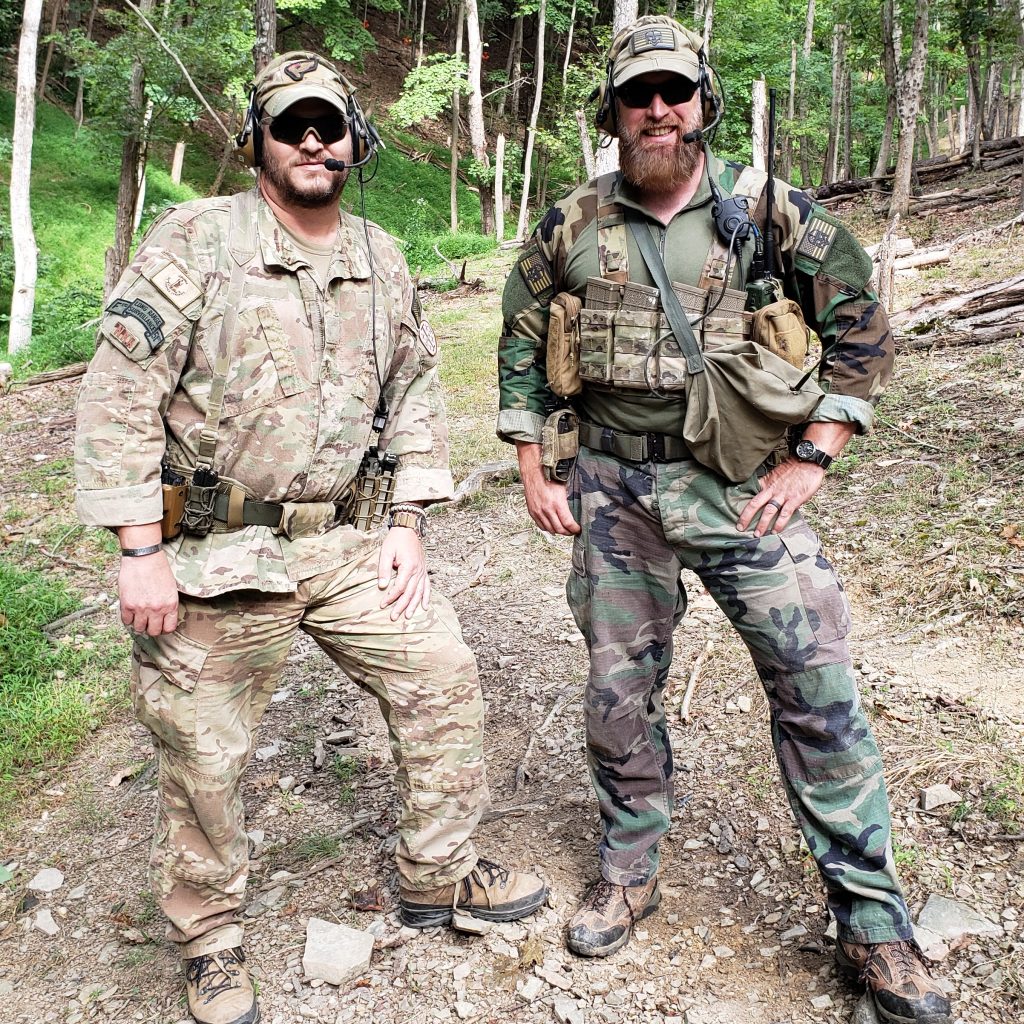
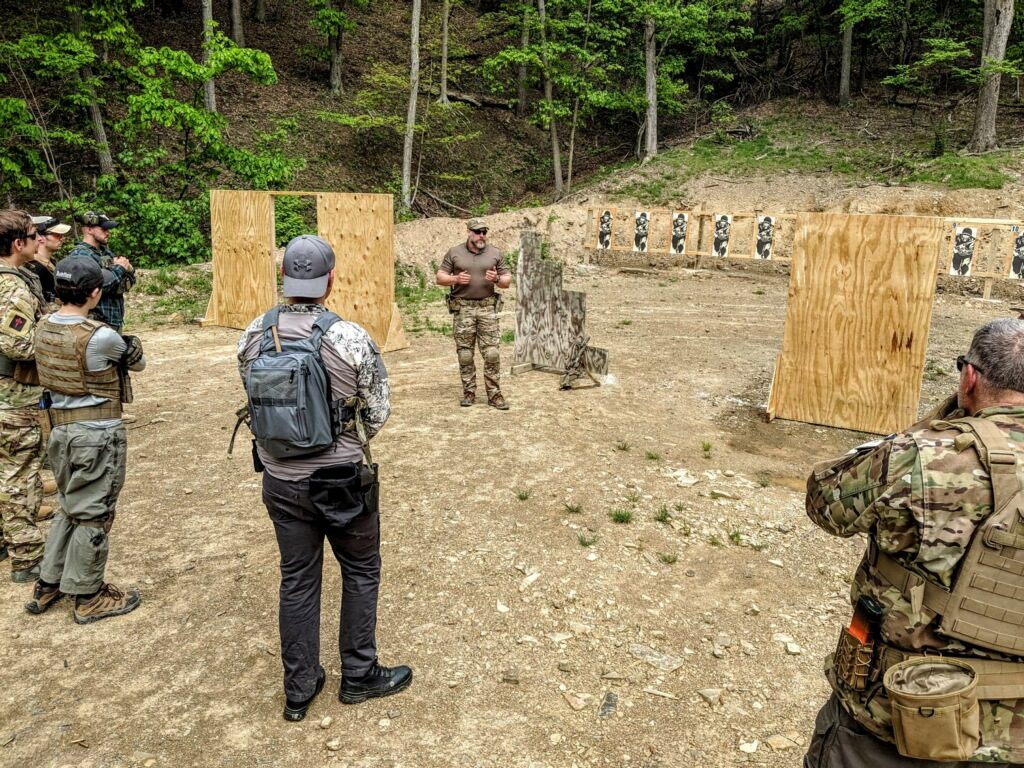
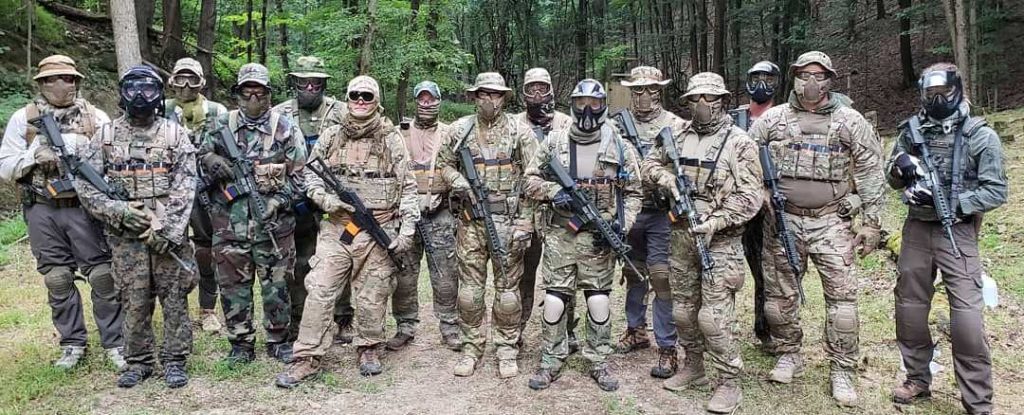
I am currently sitting on a plane flying home from the Deep South where I just attended a firearms training class put on by a very well regarded training company that travels across the country training civilians, LE, and Fed/military in all types of tactical topics. I had a great time, and learned a lot, but I still felt like it didnt hit on all cylinders and just wasn’t complete. I have been to quite a few places for training and I’ve found there are three types of places to go learn this stuff; you have the LE schools, they are of course most applicable to cops etc, then you have the competition/square range places, they have less to offer serious shooters but of course are catering to people that don’t want to run, kneel, or sweat while training, and then finally there is MVT. It’s just not comparable to anything else out there. Max and 1SGT just have this stuff down, and if given the option I can’t think of a reason to let someone I care about train anywhere else.
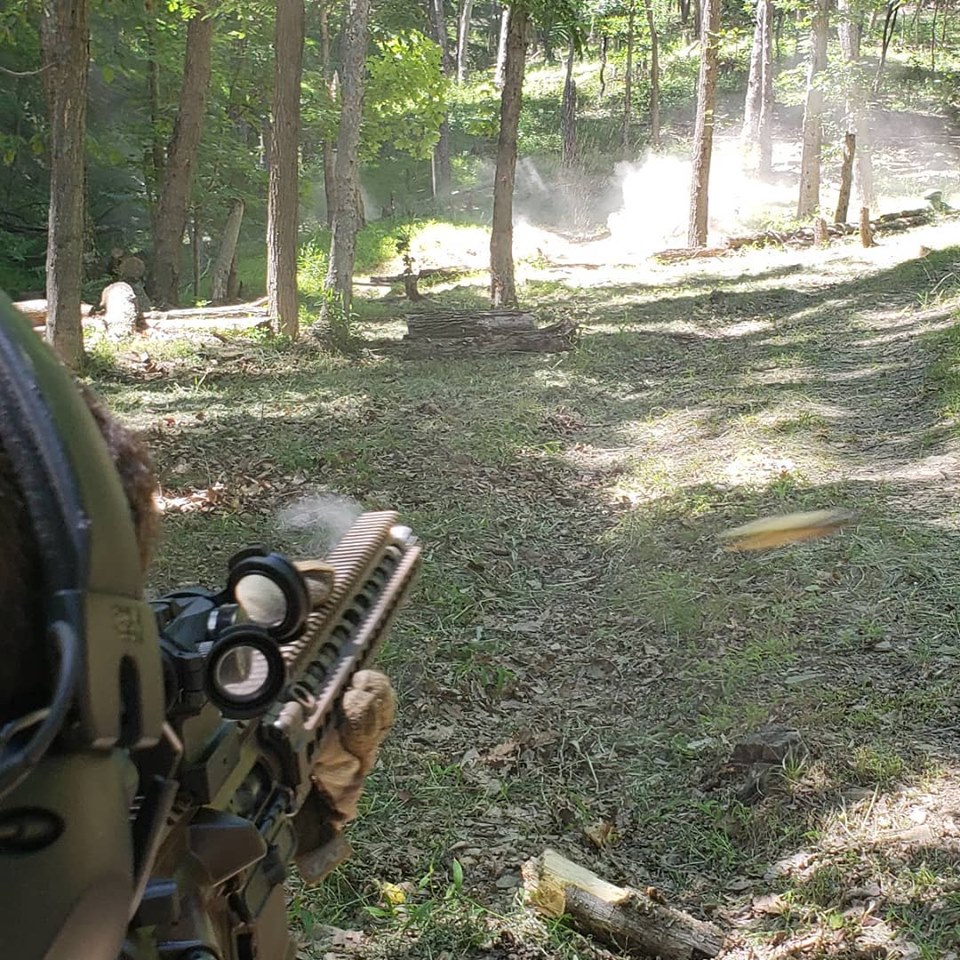
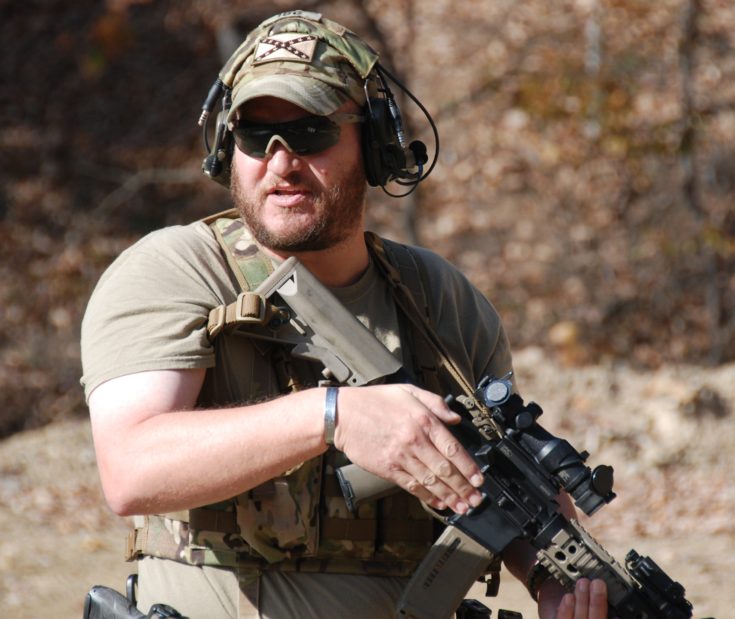
I walked away from training this last week wondering why nobody else can figure out how to run a carbine?!?!?! I’m not exaggerating, I have yet to find an instructor, much less a student that gets carbines like they do at MVT. Maybe it’s because cops and competitive types are not humping long guns around like soldiers do so they never had to learn it like Max and 1SGT or maybe they are just scary and they want to focus on handguns, but the weird stuff that is being taught, not just done, but TAUGHT, is almost laughable, and is most definitely dangerous when it comes down to running a gun to save your life. And it doesn’t stop at carbines, 1SGT’s handgun training has left more than one person walking away after class thinking “how did Icarry this thing for so long without knowing all the stuff Scott just showed me in a few short days.” MVT is not just for carbines, it’s basically anything that goes bang!
Of all the varieties of classes MVT has run from FOF, to CQB, to long range, to the bread and butter CTT/HEAT classes, I’ve never felt in danger but the last two non-MVT classes I attended I saw students injured because the systems to keep them safe were not in place or followed. Isn’t coming home in one piece high on everyone’s list of training requirements? You can joke about the “yelling” at MVT all you want but anyone that’s been there knows the yelling is mostly out of fun and when it’s not it is to keep the range safe and to ensure we all go home afterwards.
So not necessarily a “class review” for a particular MVT class but more so an opinion on the overall system of MVT vs. what else is out there, I felt the need to throw this up. To anyone that hasn’t made it to MVT, you need to get there, it’s unlike anything else available and better than anything comparable. And to anyone that has been to MVT but saw a whiz bang fancy training on YouTube from someone else that you wanted to attend, I can only say, don’t let them untrain any of the good stuff you learned at MVT, and you might want to wear extra soft armor under your plates while you are “training” because your safety has now become your first priority.
“Our kids are out of shape, tuned out and stressed out, because they’re missing something essential to their health and development: connection to the natural world.” National Wildlife Federation The seasons are turning, and children are knee deep in academics again. The natural world of summer seemed to disappear like campfire smoke; replaced by the…