Brett

Don’t throw it out until you’ve smelled it.

(Happy Thanksgiving, and Happy Throwback Thursday! In honor of all the food that will be prepared — and perhaps wasted — over the next few days, I’m republishing this piece from May 12, 2012. It’s my hope that a little judicious leftover prep and/or freezing will cut down on waste.)

I didn’t get to the supermarket for a few days after my arrival in Anchorage. Until then, I used the milk and oatmeal my hostess already had. When I mentioned that I’d be replacing what I used, she looked surprised.

“Uh, that’s really old milk. I meant to warn you off it,” she said.

It had tasted fine to me. That is to say, it tasted about as good as nonfat milk ever tastes – like the water they used to wash a cow. All that mattered to me is that it loosened up the oats in the bowl.

I nearly changed my tune when I checked the “sell by” date: April 5. It was then May 6. I was drinking milk a month past its prime.

Right about now your stomach may be curdling. The milk hadn’t, though. Linda B. bought it to fix a specific dish for Easter and then left the rest on the top shelf for the next month. It never left the fridge so it apparently didn’t have a chance to spoil.

I think we throw food away way too easily in this country.


Not good enough


In the past few months I’ve been making a serious effort to clear out the freezer and cupboards. Since I date the food I freeze, I know that the ground beef had been cooked 11 months previously and that the whole fryer was about a year old. I made bread pudding using shredded coconut that I know is at least four years old. I stewed some rhubarb that was going on five years old.

They all turned out just fine. If the ground beef had been dry I sure couldn’t tell after it was made into chili. The chicken produced copious pan juices. The rhubarb may (or may not) have been freezer-burned, but stewed and mixed with my homemade yogurt the flavor was as sweet-tangy as I’d remembered from previous summers.

This is not to say that we should let our food get old. My goal is to create a better (i.e., written) system so that the rhubarb doesn’t crouch down behind bags of frozen wild blackberries. But as a nation we turn up our noses a little too easily at anything we think of as substandard.

One MSN Money reader talked of a roommate who threw milk away on its sell-by date. He didn’t pour a little in a cup to sniff it for sourness, but automatically tossed it out.

I’ve also heard of people who throw away leftovers after two days in the fridge. Seriously? Cooked food won’t go bad in two days unless the fridge is unplugged.

Why not freeze things if you aren’t going to eat them? Why waste them?


Meanwhile, back in Anchorage…


I put the apples and oranges I’d bought into the bottom drawer of the fridge. (At no point did I compare them.) A couple of days later I sliced into a Sunkist and found it was partially frozen. The apples were, too. Since I knew they’d probably be mushy when thawed, I cut them up and cooked them into applesauce.

After Linda hosted her writers’ group we grazed for days on the leftovers. Almost a week later there was still a little roasted chicken left, so I turned it into what I can only describe as mock curry. It’d never pass muster in Madras, but I’m rather fond of the dish. But it was a little too thick, so I took Linda up on her offer to use anything in the cupboard. Before I opened the can of chicken broth I decided to check the “best by” date.

You guessed it: Old. Really old. As in “March 2002.”

The can wasn’t bulging and there was no suspicious odor. I stirred it into the curry and ate the one-pot-glop results off and on for a week. And I didn’t die. Not even a little bit.

Incidentally, what’s known as an “expiration date” doesn’t mean much of anything. They’re not even required by federal law except on infant formula and certain types of baby foods. When you’re talking dry or canned goods, the date means the end of peak flavor. “It’s just a quality issue,” a USDA spokeswoman told me. (For more information, see this USDA fact sheet.)

I do have some standards. When mold grew on the last few slices of bread I gave it a Christian burial. The previous day it had been merely stale, whereupon I turned it into French toast. I should have frozen the rest before it got moldy. Next time I will.

A former co-worker who grew up in various Alaska villages would have cut off the moldy part and eaten the rest. That’s too much even for cast-iron-stomach me. Then again, he talks about eating eggs that “came over with Baranof.” He and his family also ate WWII powdered eggs up until the early 1960s. It’s a toss-up as to which oeufs were more dismal.

The point is they were food and the family ate it. When you’re a village kid, you don’t ever waste food.


The way you look at food


That makes me a village kid, I guess, although the rural area where I grew up was referred to as a “township.” I was raised by a mother whose family lived much of the year on garden produce, dry beans, biscuits and white gravy and by a father whose family ate whatever his mom could grow and his dad could shoot. (As a kid my dad swore when he grew up he would never willingly eat another rabbit. He never has.)

My three siblings and I ate whatever was put in front of us – and quickly, too, because if you cleaned your plate you had a shot at getting some of the last little bit of potatoes left in the bowl.

Would we have dreamed of saying, “Eeewww, that meat loaf is three days old – I won’t eat it”? Oh, hell, no. (Not that meat loaf would last for three days with four kids around.)

Would anyone I knew have thought that milk too close to its sell-by date should be thrown out? Nope. In fact, we might have hoped it was close to its sell-by date, because it might be discounted. The freshness of bread was a moot point because ours came a dozen loaves at a time from the bakery outlet.

A couple of weeks before I left Seattle I found milk for 99 cents a gallon at the Asian market near my house. Its sell-by date was the next day. I turned it into two delicious batches of yogurt. And I still didn’t die.

I’m not saying that everyone has to eat the way I do. But I’m suggesting that you reconsider the way you look at “old” food, or at least at the buy-and-use practices that let food get old in the first place.

For example: If your fridge is full of mouldering take-out containers perhaps you could concentrate on finishing leftovers before bringing more food home? You could even learn basic cooking so you don’t spend so much money on food that you don’t even finish.

Or if you make a big pot of chili and get tired of it in two days, for heaven’s sake freeze it in small portions. Instant lunches! Or here’s an idea: Cook a smaller pot next time.

How many hours did you have to work to earn the ingredients? How much energy, fertilizer, pesticide and water did it take to produce and preserve the tomatoes, meat, beans and spices? When “old” food goes down the disposal those resources disappear, too.

Like your grandma said, people are starving in Africa. They’re also starving in the United States. It’s unlikely that either group would check a sell-by date before eating. But it’s pretty likely that the close-dated milk is still good.

The post Don’t throw it out until you’ve smelled it. appeared first on Surviving and Thriving.

Don’t throw it out until you’ve smelled it. Read More »

Europe Diagonal: Belgium GR 129 Part 2 and conclusion

Local bakery on wheels

In Belgium I encountered several unexpected obstacles – one of them was closures because of hunting. When I was arriving at my camping forest one evening there was a big sign in French announcing hunts – and saying that you should not walk through the forest in the early morning and late evening because of hunting activities. What should I do? I had no choice (and no other accommodation) and therefore I continued on whistling and singing loudly. I hoped that any hunter would this way hear me before seeing and shooting me … My strategy worked and I set up camp at a sight that could easily be seen by hunters. Luckily I did not see a soul and only heard shooting in a far distance.

View of Dinant

Next day was my lucky day: When I was just dragging myself along in the heat being hungry and
thirsty I spotted a van in a litte village. It turned out to be the local baker on a sales tour. Two expensive but delicious chocolate croissants quickly disappeared into my belly before I continued to the two famous Belgian monasteries Maradret and Maredsou, know for their beer (which I don’t drink) and cheese (which was nice).
Dinant was my next resupply stop and it greeted me with a wonderful view down at the river valley at sunrise.

With Mick inside Bertie

It was a short hiking day for me because I had two visitors waiting for me:Gayle and Mick are two British hikers and runners whom I had met in Britain several years ago. We had always been following each other and therefore they knew about my route through Belgium – which they were to cross on their way home. They had been touring around Germany for the summer in their mobile home called Bertie. As I was about the cross the motorway they were heading up on we agreed to meet at a commercial campground. There I could not only enjoy a hot shower but was also very well fed and entertained by my two friends before we both embarked on our respective ways the next morning.

River Semois at sunset

The GR 129 had now finally reached the Ardennes with plenty of forest and the wonderful river Semois which winds its way through it. When I say an old railway line turned into hiking trail I decided to use this detour. It turned out to be very scenic – but with an huge obstacle. Right in the middle of nowhere the old railway led through tunnel which was completely fenced off – but someone had cut a small hole into the mesh fence. Could I dare to go through the tunnel without seeing any light on the other end? I took out my headlamp and risked it – and had no problem whatsoever!

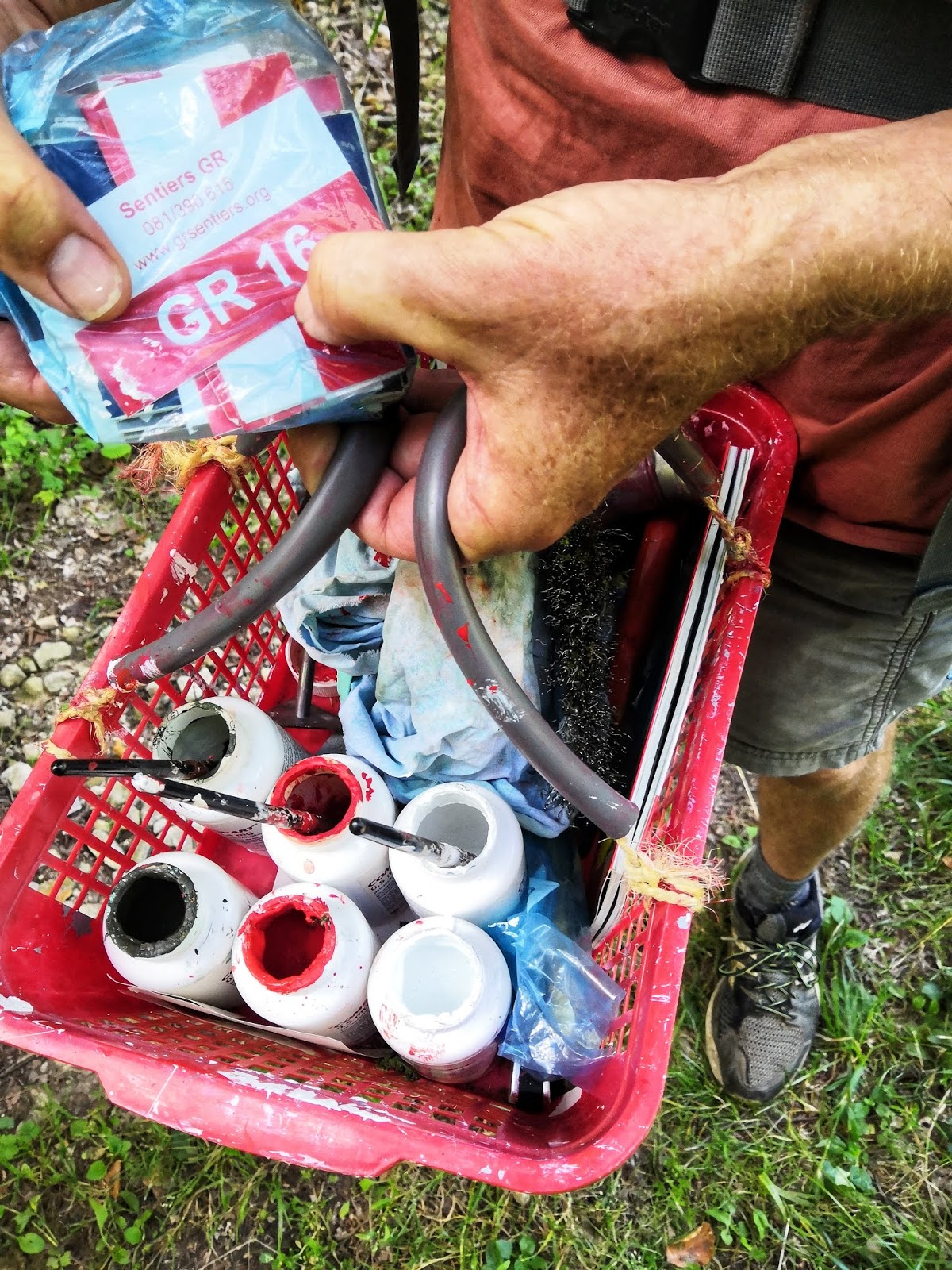
Orval is an active monastery also known for its beer. I had hoped to have a rest day there but unfortunately exactly that week the monks were gone for a retreat. Early morning I was the first visitor waiting to be let in. When I used the bathroom I had a look in the mirror and discovered a tick right on my eyelid! I took out my little Swiss army know and plucked it out with my tweezers – while a full busload of tourists watched my little operation. Back on the trail I met a guy from a Belgian hiking club who was doing trail maintenance and refreshing trail markers. It was very interesting to have a look at his tool box and chat with him. He continued on while I was finishing my lunch. To my big surprise he came towards me after half an hour: The trail ahead of us was closed due to African Swine Fever. And it was seriously closed with a stable metal fence around the whole area and locked gates. What to do now? There was no map of the affected area and also no detour. Even the neighbours had no clue how big the fenced off area was. They just warned us to go in there because inside they were hunting wild boars day and night. I decided to walk around which is difficult not knowing how big the area is …

I ended up doing a huge detour. Every access trail into the forest was blocked and warning signs were everywhere. I started to worry about were to camp that night! When I reached the forest I had planned to camp in I saw another warning sign and almost despaired. Luckily I took a closer look and discovered that this area had been closed a couple of weeks ago and was now open again. Still, it was already dark when I eventually set up my tent … The disease has not reached Germany yet and I do hope it stays that way! Also Luxemburg which I was entering now is still free of the disease.

Belgium is full of reminders of World War I and II

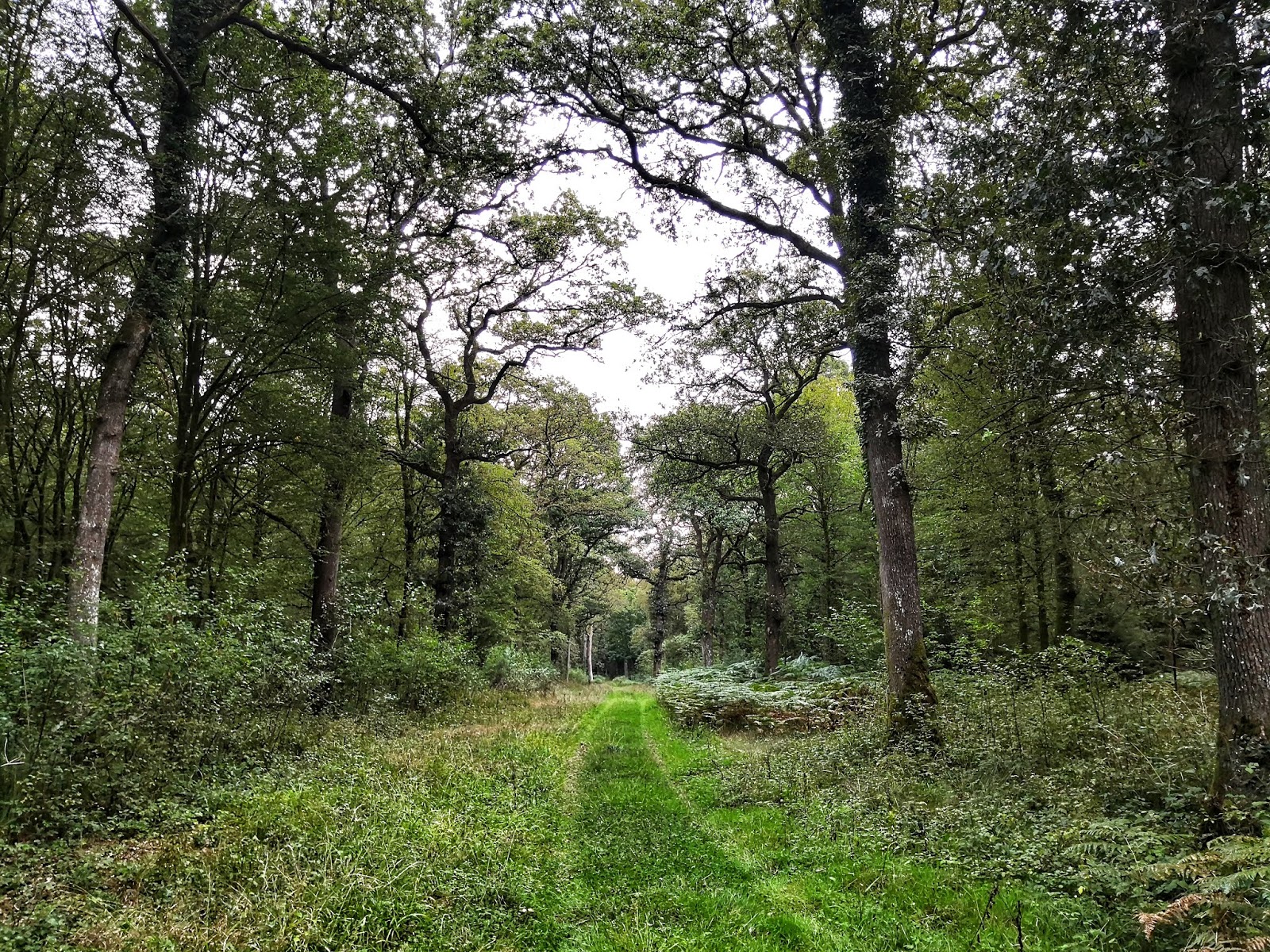
Before embarking on this trip I had hiked in Belgium before and had very much enjoyed it. The GR 129 was a bit disappointing in comparison. The part through Flanders was downright boring. Lots of road walks, difficult camping and just flat land with no particularly exciting views. I have had worse connecting sections on my various hikes but it wasn’t a highlight either. Things got better in the South and at least wild camping ceased to be problem. I enjoyed the cultural sights and hiking was better but this was still no highlight I would recommend. There are better trails in Belgium than the GR 129. Still it was fascinating to cross an entire country and see the changes.

Europe Diagonal: Belgium GR 129 Part 2 and conclusion Read More »

scrapped out old 600 amp welder – disappointed

The welder is a Linde VI-600. Heavy bugger. I got the case off and blew it out and saw bus bars everywhere instead of cables. I was good with that until I realized they were all aluminum, uh oh. When I got the main 3 phase transformer out and broken into 3 individual transformers each of them proved to have one of its windings was sheet aluminum, dag nabbit.

I don’t know how much the welder weighed originally. The guy I got it from thought 800 pounds. I only got about 60 pounds of copper out of it, and that after several hours of work which left a big mess.

This was my first time scrounging copper out of a welder. I don’t think I’ll be doing it again. I’m going to make a profit but it will be a small to middle single digit hourly rate, not worth it in the end.

I’m not trying for sympathy. Just wanted to put this out there so you all can consider it before you decide to scrap out a welder.

metalmagpie

scrapped out old 600 amp welder – disappointed Read More »

Gang of urban teen thugs brutally beats cop defending woman at a mall: This is what you’re up against!

Gang of urban teen thugs brutally beats cop defending woman at a mall: This is what you’re up against!

I believe social unrest and violent attacks are two of the top survival threats that we face as a community; while the media continues to cover up these attacks, we are not going to sit by in silence and ignore a very real preparedness issue. […]

This Article Gang of urban teen thugs brutally beats cop defending woman at a mall: This is what you’re up against! is an original article from OFFGRID Survival If it is appearing on any other site but OFFGRID Survival, that site does not have our permission to use our copyrighted content!

Gang of urban teen thugs brutally beats cop defending woman at a mall: This is what you’re up against! Read More »

Capable v. Likely

What are we capable of versus what are we likely to do?

John Johnston of Citizens Defense Research and I have been discussing this topic in relation to standards in a class. He and I are both believers in having standards and being able to demonstrate competent execution of those standards. Being able to demonstrate means both the instructor and the client.

One of the things I do in private sessions is to have the client take a hostage rescue shot. The target is a complete head next to and not obscured by the hostage head. Only one shot is allowed. The client gets to pick the distance. Most clients, even competent shooters, will close to 3 yards (9 feet) or less. That’s always interesting because the boundary between the near and far phases of Social Space in proxemics is 7 feet for North Americans.

M&P 22C NV CHL qual

Our technical capabilities are limited by what is within our own heads. What we think we can do represents ‘likely,’ regardless of what we’re actually capable of.

As Ken Hackathorn has said for many years:

You are unlikely to do something in a stressful situation that you’re not reasonably sure you can do competently.

The real value of training and practice isn’t gaining technical competence, it’s achieving confidence in your abilities.

If you are interested in bringing your Strategies, Tactics, and Options for Personal Protection to a higher level, please subscribe to my Patreon account for $5 per month. It’s an investment in yourself. https://www.patreon.com/TacticalProfessor

If you are interested in bringing your skill level higher, please purchase one of my books about how to practice effectively. https://store.payloadz.com/results/337896-tactical-professor

Capable v. Likely Read More »

Focus on the hoops and not the holes

There is a confluence of investigations into mental health and suicides in Australia at the moment, and most of them overlap with occupational health and safety (OHS).  Each of these increases the understanding of the relationship between work and mental health but no one seems to be connecting the threads into a cohesive case.  This article doesn’t either, by itself, but hopefully the threads of the issues are identified through the themes of various SafetyAtWorkBlog articles.

Recently Tim Quilty of the Liberal Democratic Party addressed the issue of suicide in relation to his contribution to the debate on Industrial Manslaughter (IM) laws in the Victorian Parliament.  His assertions seem a little naïve:

This content is for Monthly, Annual (Corporate) and Annual members only. Visit the site and log in/register to read.

Focus on the hoops and not the holes Read More »

Hike 1.5 Mile Resthouse on the Bright Angel Trail

Hike 1.5 Mile Resthouse on the Bright Angel Trail

If you’re not a big hiker but want to “dip your toe” into the Grand Canyon, the short but beautiful hike to 1.5 Mile Resthouse on the Bright Angel Trail is for you. The trail is considered the Grand Canyon’s premier hiking trail; it’s very well maintained, safe, and spectacularly beautiful. You’ll hike down into the Grand Canyon, experiencing all the wonders it has to offer without any hardships aside from the short climb back up. The trail has water stations and bathrooms, making it very beginner-friendly.

The post Hike 1.5 Mile Resthouse on the Bright Angel Trail appeared first on HikingGuy.com.

Hike 1.5 Mile Resthouse on the Bright Angel Trail Read More »

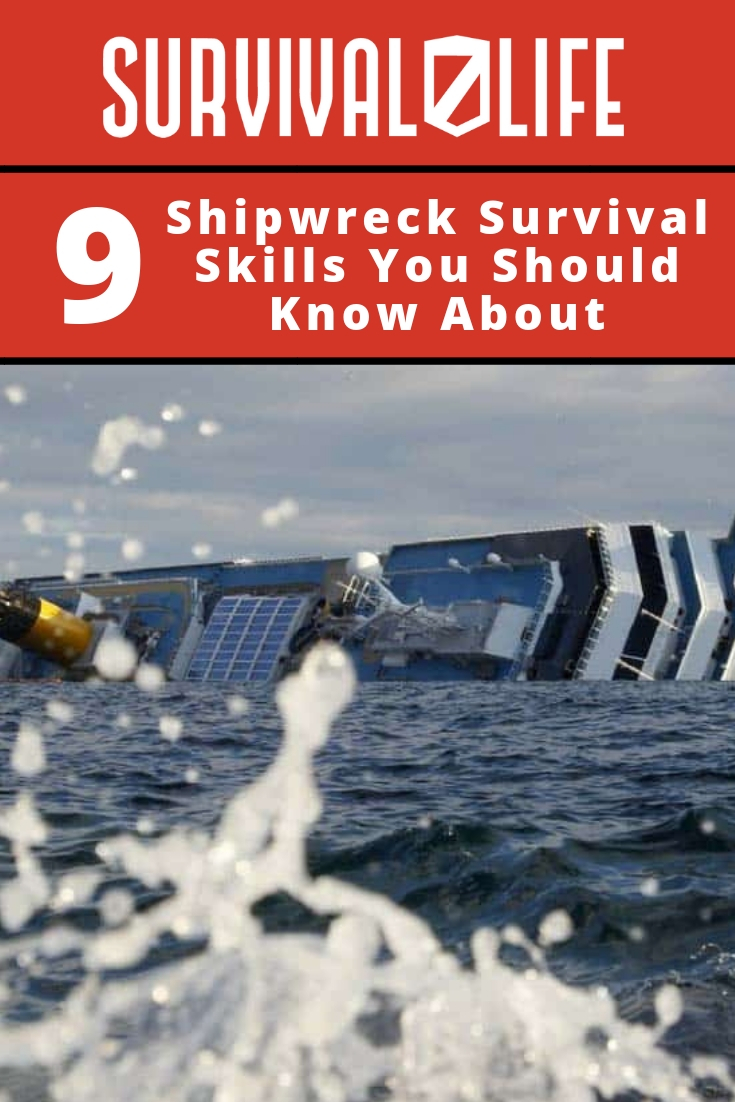
9 Shipwreck Survival Skills You Should Know About

You may have witnessed a shipwreck in the movies, in the news, on television, or the internet. But have you ever thought that if you do get shipwrecked, will you be able to survive it?

Surviving a shipwreck starts from the moment the vessel starts to take in water unnaturally – where it tilts and sinks in the process. There can be two scenarios you can find yourself in. Either you will be adrift at sea or you will end up on land. The end goal is to survive either one to the point where you can get rescued.

Shipwreck Survival Skills: Surviving the Deep Waters


1. Be Ready

Be Ready | Shipwreck Survival Skills You Should Know About
Always hope for the best but prepare for the worst. Have a bug out bag with you before taking a sea trip. There are tons of ways to build your own survival bag where you can be comfortable bringing it around with you. It will contain all the necessary essentials for your survival at sea. In case you might not be able to grab a life vest, learn how to stay afloat by taking swimming lessons.

2. Be Informed

Read the emergency signs all over the place once you board the ship. There are a few things you need to do before the ship heads out to sea. These are:

  • Determine where the nearest exit is from your room.
  • Familiarize yourself with the insides of the ship.
  • Find out where the life vests and life rafts are. Don’t forget to read the instructions on how to use a life vest and deploy a lifeboat.
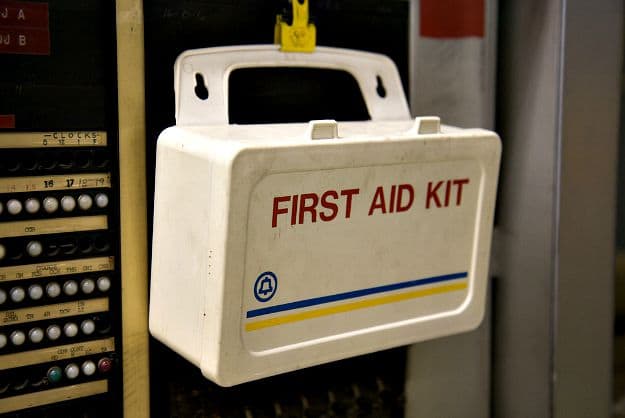
  • Locate where they place a first aid kit.

3. Stay Calm

Stay Calm | Shipwreck Survival Skills You Should Know About
Stay Calm Photo by Wikimedia Commons

You have to stay calm when evacuating the ship. You must keep a sound mind when doing this as there will be a lot of screaming and shouting going on. Pay attention to the instructions of the captain or crew over the PA system. If you’ve done the first step, you may already have a life vest on you and would be heading to the life raft. Make sure you leave everything else except your bug-out bag.

4. Jump up Top and Stay Away

If you fail to get on a life raft and you have to jump off the ship, do this at the topmost part of the ship and at a spot away from everybody else. If you jump at the lower sections, someone might land on you hurting you or knocking you unconscious. Once in the water, swim farthest away from the ship and onto a raft or floating debris. Just watch out because there might be other people trying to grab you out of panic pulling you underwater.

5. Perform First Aid Treatment

Perform First Aid Treatment | Shipwreck Survival Skills You Should Know About
Perform First Aid Treatment Photo by Marcin Wichary via Flickr

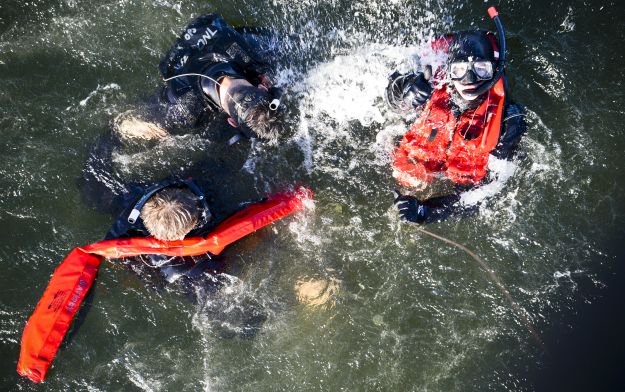
If you have cuts or wounds, you can wrap them up to minimize or stop the bleeding. Add some extra layers of clothing on you to help your body cope with temperature changes in the water. Hypothermia can set in if you have very less clothing on you.

6. Stay Together

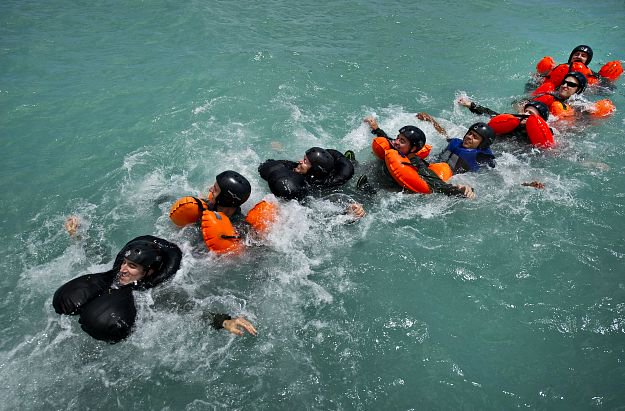
Tie all life rafts together. Staying in a group will increase your chances of survival. If life rafts are unavailable, put your arms over each other’s shoulder and form one huge ring of people. This will ease the efforts of floating on your own and be able to help those who don’t have life vests. It will also make you a bigger target for search and rescue teams above and on sea level.

7. Be Ready to Defend Yourselves

Being together will also give you the capability of defending each other especially from predators of the sea like sharks and killer whales. Grab any pole or a stick you can use to poke at them. If worse comes to worst, aim for the eyes and the gills.

8. Signal Rescue Units

Signal Rescue Units | Shipwreck Survival Skills You Should Know About
Signal Rescue Units Photo by Military.com

This is where your bug-out bag will come in handy. It will contain flares, light sticks, waterproof flashlights, and a signal mirror. It may also contain a cell phone and a two-way radio. You can use any of these to call or signal for help. If you’re on an uninhabited island, you can start a signal fire using the fire-starting kit in your bug out bag. You can use leaves and brightly colored clothing to form an SOS sign.

9. Head for the Nearest Island

If an island is in view, head off and start swimming or rowing for it. Other survival skills like starting a fire, building a temporary shelter, foraging or hunting for food, and acquiring drinkable water will come into play. If you’re on an uninhabited island, that is. If you are fortunate and land on an island with even the smallest of populations, then you’re more than blessed because an inhabited island will mean there may be forms of communication and a hospital.


Watch this video by AWE me on how to survive a shipwreck – EPIC HOW TO:

There are a lot of survival methods for castaways at sea or on an island. Ultimately, be of sound mind and never lose hope. Never allow your circumstance to weaken your morale or will to live. A person with a broken spirit is already a dead one.

Do you have any more suggestions or comments you might want to add about how to survive a shipwreck? Please add them in the comments section below!

Check out 9 Shipwreck Survival Skills You Should Know About at https://survivallife.com/shipwreck-survival-skills/

Up Next: Survival Skills | The Psychology Of Staying Alive


The contents of this article are for informational purposes only. Please read our full disclaimer here.


Editor’s Note: This post was originally published on March 21, 2017, and has been updated for quality and relevancy.


Featured Image by Want some Moore??!

9 Shipwreck Survival Skills You Should Know About Read More »

7 Edible Insects You’ll Need to Know Before SHTF | Survival Life

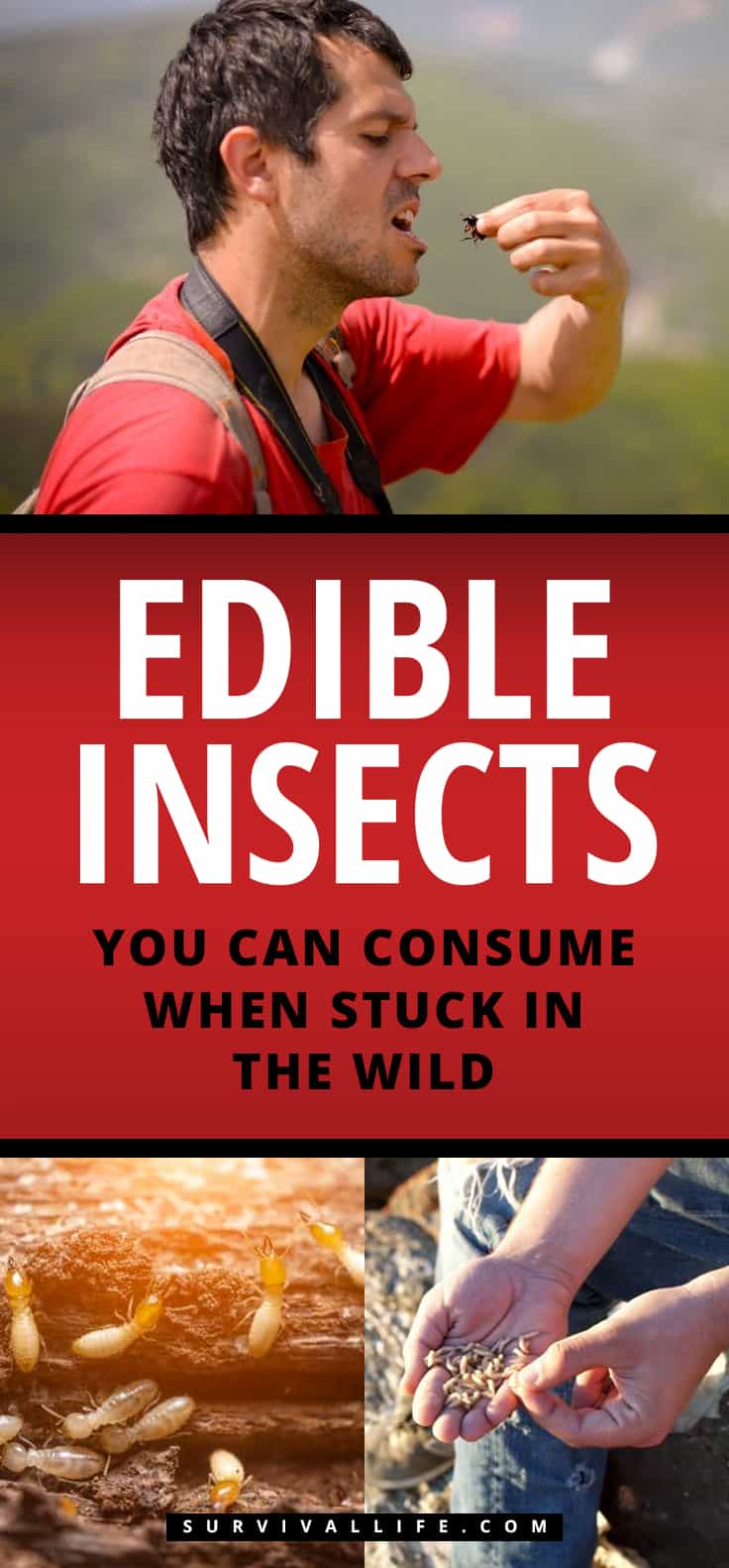
In the wild, you can survive by making a meal out of edible insects. You’ll be glad to know they are actually nutritious and could fill your protein needs.

RELATED: How To Identify Edible Insects And Eat Like A King After TSHTF

7 Edible Insects to Survive Starvation Outdoors

Eating Insects in the Wild

Being stuck in the wild can make you think of crazy things like having insects for lunch. Disgusting as it may sound, this could actually save your life.

If you’re in no luck finding some edible wild plants outdoors, you might as well start looking for edible insects to get through your hunger problem. You’d be surprised to know of this edible insects list is, in fact, abundant with nutrients that can provide your cellular needs.

It’s better to be prepared and know what can help you survive in the wild, so go on and read along!

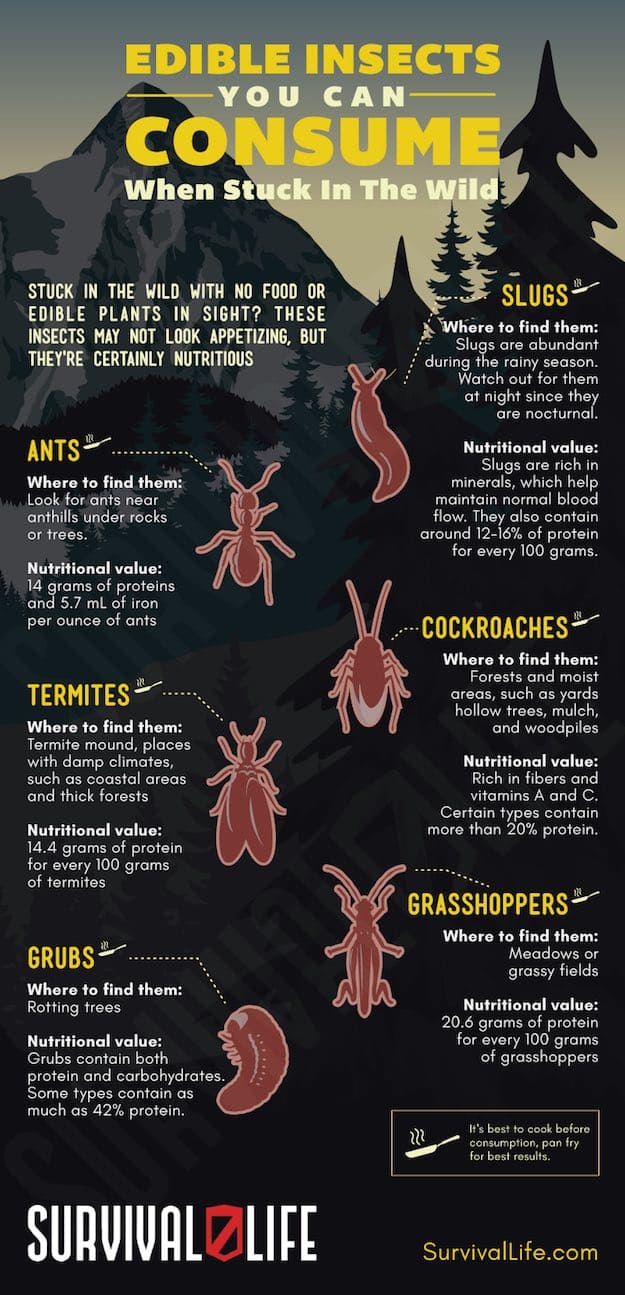
1. Ants

|

One great thing about ants is that you can find them in a lot of places. Dig among anthills and scoop up the ants into a container.

It is recommended for you to boil them first before eating to remove the bitter and vinegary taste it has. An ounce contains about 14 grams of proteins and 5.7ml of iron.


2. Termites

|

Termites can be found in hordes and fill your protein needs easily. 100 grams of termites is equivalent to 14.4 grams of protein.

A termite mound can feed a couple of people in one go. These edible bugs for humans are in damp climates like coastal areas and thick forests.


3. Maggots

|

If you ever find a corpse of an animal laying there and being fed on by maggots, never think of these maggots as a waste.

While the maggots are feeding upon the corpse of an animal, you may feed on those maggots in exchange and have the meat they’ve eaten for yourself. Maggots contain both protein and carbohydrates you would need for energy.

RELATED: 5 Beneficial Insects For The Garden: Good Bugs Vs. Bad Bugs

4. Slugs

|

These slimy creatures are rich in minerals which help maintain normal blood flow. Slugs are carriers of harmful parasites that can kill you so it would be wise to cook them first before eating it.

These edible insects can be found abundantly during the rainy season.


5. Cockroaches

|

These are the ones you can find in the wild and not those pesky little buggers that fly around your house. The ones found in the wild feed on fruits and vegetation which are rich in fibers and vitamins A and C.

Have them fried or boiled to kill any bacteria they might have.


6. Locusts

|

Locusts can actually save your life from hunger plus it is rich in both protein and calcium. They travel in swarms and are much bigger than the grasshoppers.

Locusts go to places that have fertile soil, thus, it would be best to look for these edible insects in those places.


7. Grasshoppers

|

Grasshoppers are very rich in protein — for every 100 grams of grasshoppers, there are around 20.6 grams of protein. They can be eaten raw or cooked. But, to add some palate of crunchiness, consider having them cooked.

You can find them on meadows and grassy fields.


Here’s what you need to know about eating edible insects by STORYHIVE:

When SHTF and you run out of food to eat or there are no edible plants in sight, hunt for these edible insects and you’ll get by. However, while these insects are quite nutritious, there are also some that can be poisonous.

Be aware of what you can eat or it could lead to having an upset stomach or something even worse. Make sure to know how these edible insects look like and not mistake them for a poisonous kind.

With that said, it’s also imperative to know how to identify edible insects for your safety.

Have you tried eating any of these edible insects? How was the experience? Share your survival stories in the comments section below!

Infographic | Edible Insects You Can Consume When Stuck In The Wild

UP NEXT:

Check out 7 Edible Insects You'll Need to Know Before SHTF | Survival Life at https://survivallife.com/edible-insects/

Follow us on FacebookInstagramTwitterPinterest, and Tumblr!

Edible Insects You Can Consume When Stuck In The Wild | https://survivallife.com/edible-insects/

Editor’s Note: This post was originally published on July 17, 2017, and has been updated for quality and relevancy.

7 Edible Insects You’ll Need to Know Before SHTF | Survival Life Read More »