Brett

[Review] Romanian RPK: Haunted AK Squad Weapon?

Fascinated with Cold War small arms design?

The Kalashnikov is the most famous…and now it’s time for its long boi version.
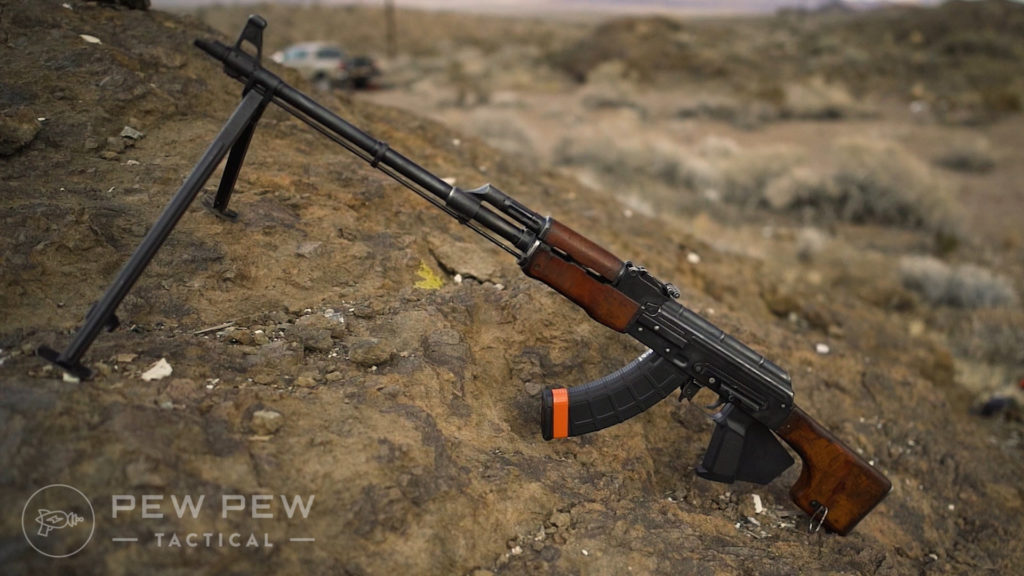
Pictured: Soviet SAW, rocks on Tattooine

When we had a chance to checkout the Soviet solution to an AK-style squad automatic weapon, it should come as no surprise that we jumped at the opportunity!

Check our our full video review:

And be sure to subscribe to our YouTube channel for the newest reviews every week.

Table of Contents

Loading…

But First, Some History

We generally find giving a bit of background context to set the stage is useful in understanding the importance of any historically relevant gun we cover – in this case, we’ll be exploring the origins of the Soviet RPK before we dive into the nitty gritty of Atlantic’s Romanian iteration.

It’s the early 1960s, and the Soviet military is looking to standardize their small arms and infantry weapons, as most militaries of the time were. The concept of the squad automatic weapon is a relatively new one.

While guns like the Madsen were the first to be employed in this role, most fully automatic support style weapons were still chambered in full size rifle cartridges and required one or more assistant gunners to be utilized effectively. 
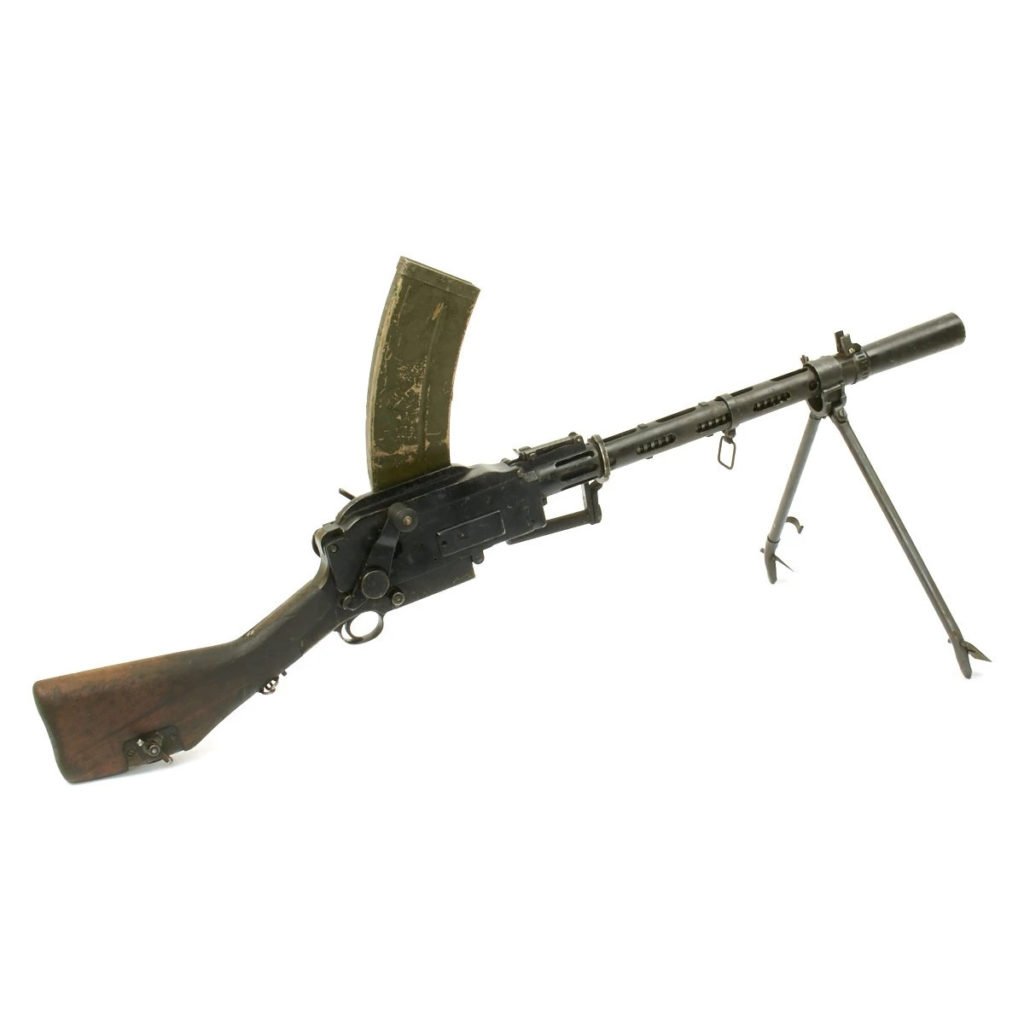
The Madsen – a mobile automatic weapon that generally didn’t need assistant gunners to be employed effectively.

The American BAR is another step in a similar direction, although notably it was still limited to 20 round box magazines and obviously was still chambered in .30-06. 
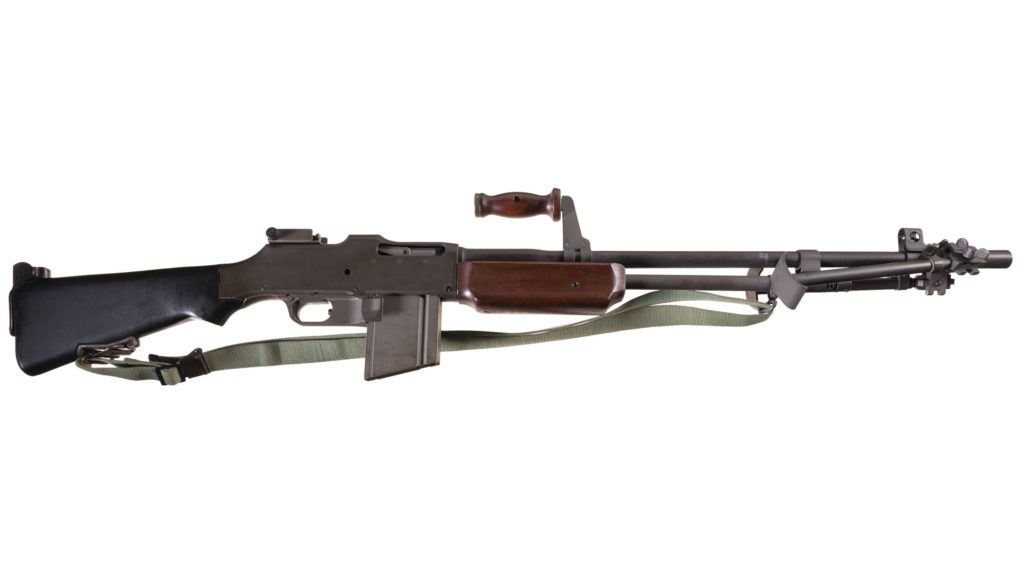
“Bottom of the channel, sir. The bitch tried to drown me.”

The point being that many modern militaries began to understand the importance of having a highly mobile source of automatic fire integrated into infantry squads and fireteams.

Fast forward to late WW2 and firearms designer Vasily Degtyaryov had finalized plans for the Ruchnoy Pulemyot Degtyaryova – or, Degtyaryov’s light machine gun – the Soviet RPD.
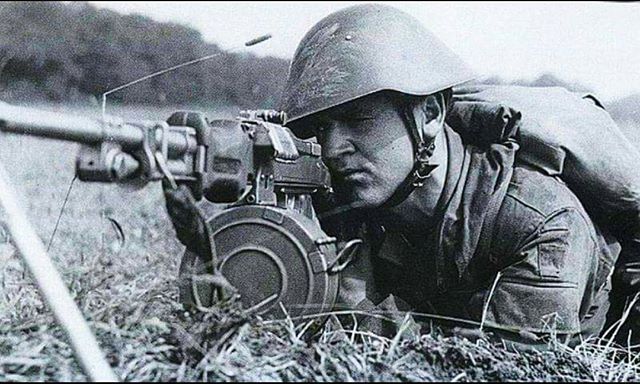
RPD in use with Soviet Motor Rifles

Designed to replace the DP28, the Soviet RPD was one of the world’s first belt fed machine guns chambered in an intermediate rifle cartridge – utilizing the same 7.62×39 round as the AK-47, essentially making it a precursor to the modern squad automatic weapon. 
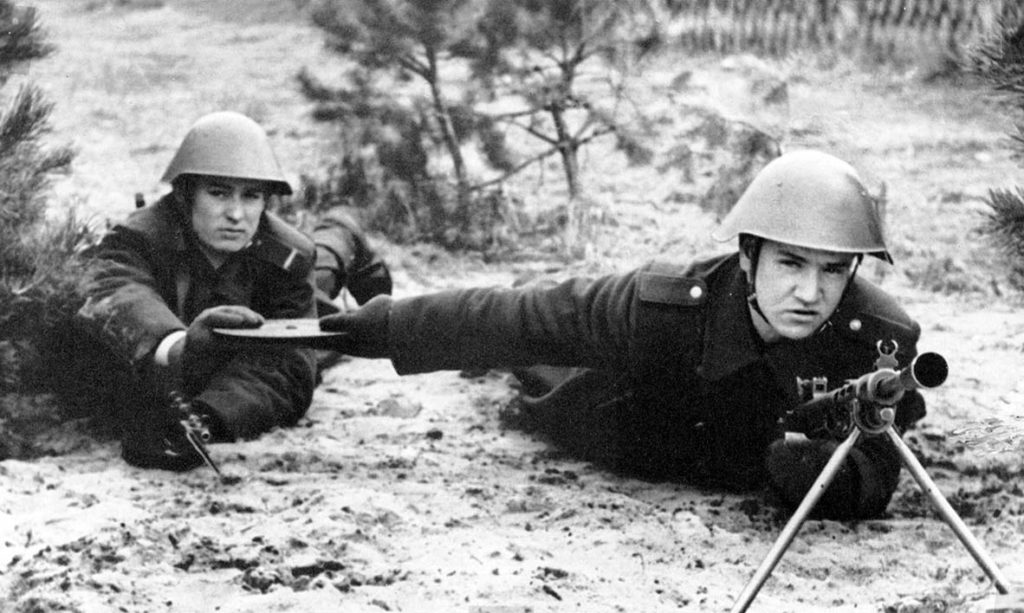
The RPD would come to replace the DP28 – the iconic machine gun utilized by the Soviets during WW2 and into the 50s.

The RPD saw substantial use throughout the cold war’s numerous proxy fights, but was eventually replaced during a bid for parts and training standardization by Kalashnikov’s RPK during the early 1960s. 
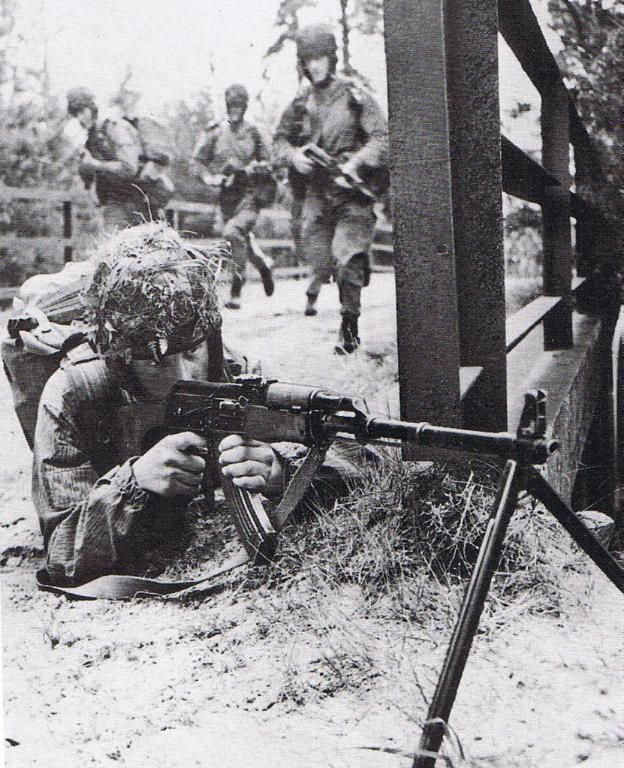
The RPK in use with East German Paratroopers

The RPK itself is essentially a beefed up AKM – introducing a thicker receiver and heavier barrel to stand up to sustained automatic fire, and ditching the under barrel cleaning rod for a deployable bipod as well.
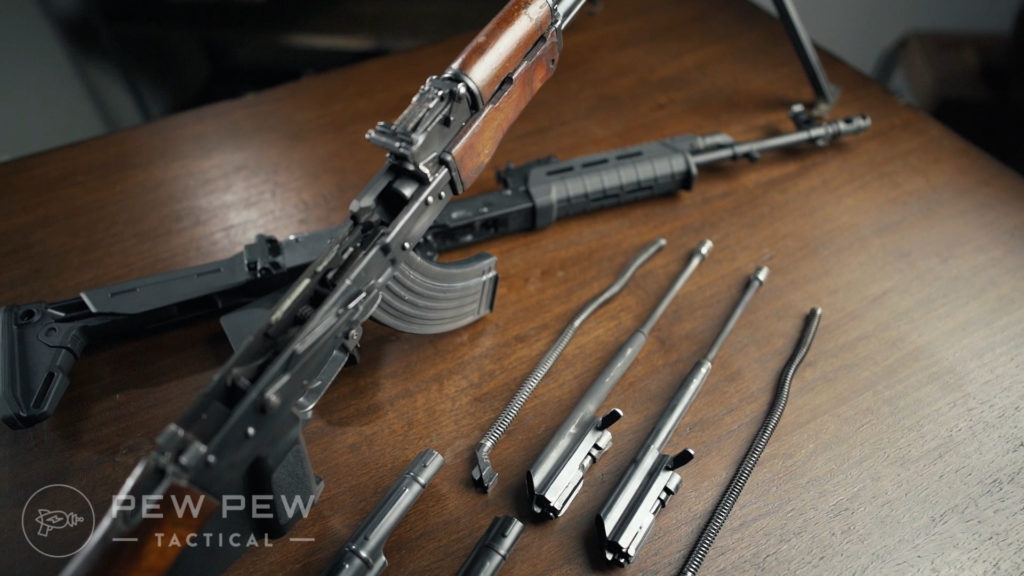
Bolt Carrier Assemblies of both the Romanian RPK and a PSAK47.

The RPK utilized the same bolt and bolt carrier found on all AK series rifles, as well as the familiar fire controls located on the right side of the receiver. 

Essentially, the RPK is just a bigger AK, and if you’re concerned with making sure that your peasant conscript army doesn’t get confused with learning and memorizing the function and layout of all of your infantry weapons, the standardization makes a ton of sense.

The RPK also ditched the RPD’s belt fed system and introduced longer, 40 round magazines or 75 round drums – meaning that the gun could be fed from the rest of the squad’s normal AK magazines if needs be.
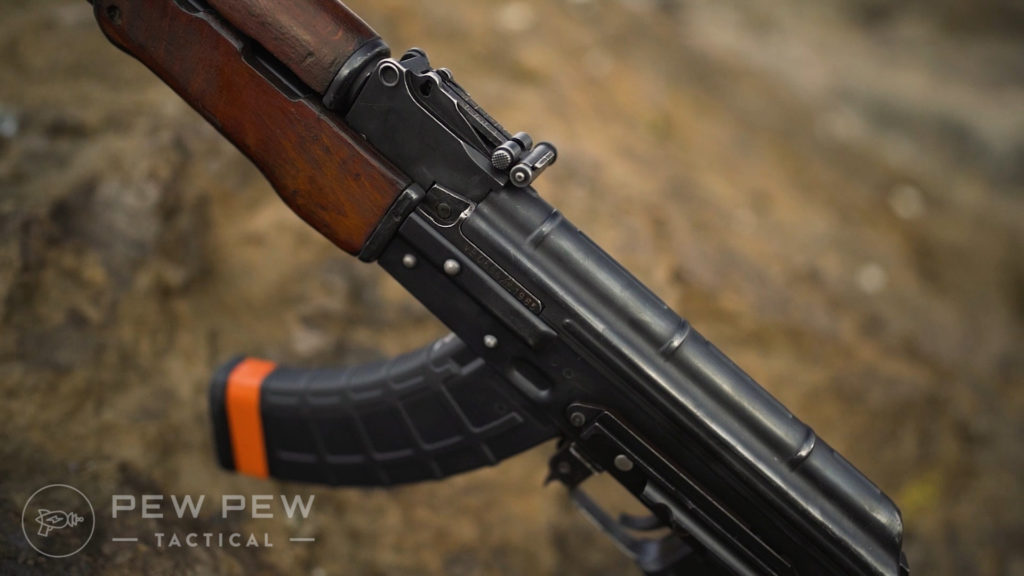
The ability to feed the gun from normal magazines carried by your squadmates is a net positive in an emergency.

The Rifle Itself – Romanian MD-64 RPK

So where’s that leave our Romanian blaster? 

As a former Soviet satellite state, Romanian arms manufacturer Fabrica de Arme Cugir produced RPK clones locally known as the MD-64 using the original Soviet specifications. 

Atlantic’s RPK is assembled by M13 industries, and is built on hand selected MD64 parts kits – utilizing entirely original Romanian made parts mated with a US-made Childers Guns receiver, Green Mountain Chrome lined RPK barrel, and ALG fire control group.

var PPT_APS = PPT_APS || {};
PPT_APS[48340] = {
“id”: “48340”,
“title”: “Atlantic Firearms Romanian RPK”,
“img”: “https://www.pewpewtactical.com/wp-content/uploads/2020/01/ALT-Firearms-RPK-300×162.jpg”,
“tag”: “”
};

The gun is billed as a ‘battlefield pickup’, meaning that the American made parts have been artificially weathered to closely match the surplus aesthetic of the parts kits themselves, and honestly the gun looks great!
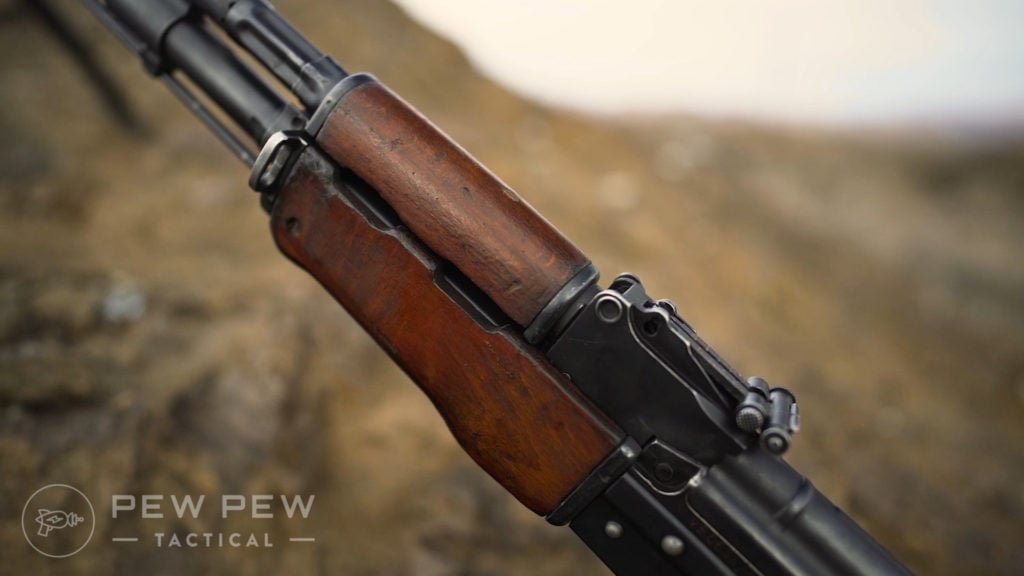
That gorgeous patina thoooooo

Slightly anachronistically, the gun also includes a dovetail optics rail mounted on the left side of the receiver, and an AKM style slant muzzle brake. 
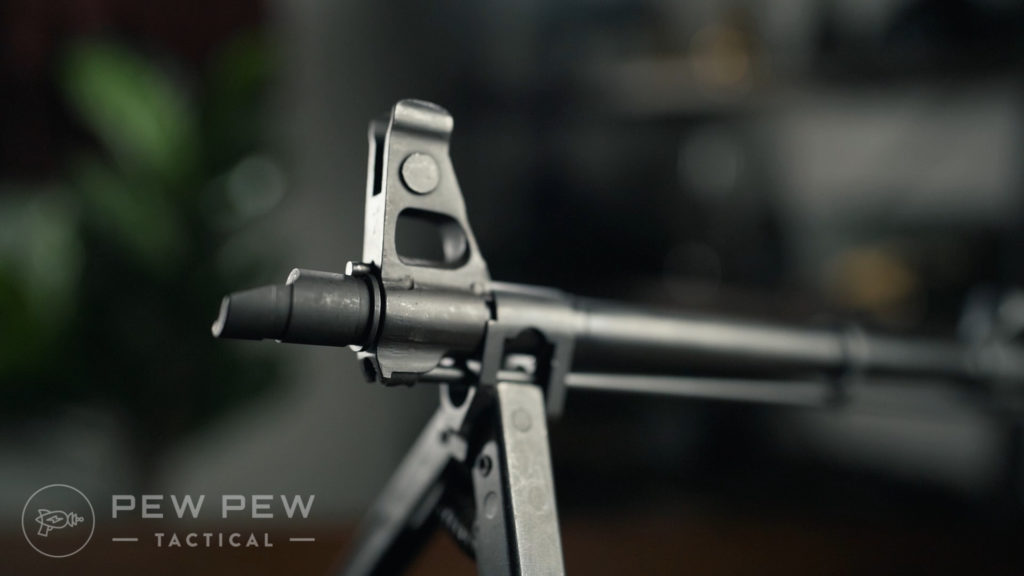
The ‘slant’ style brake is a feature added to the AKM series rifles, and was not present on original Soviet RPKs.

Because Soviet small arms designations are an absurd Kafka-esque nightmare, this would technically make the gun an RPKL – as the -L suffix denoted that the gun included a dovetail rail specifically intended for the NSP-3 night vision optic. 
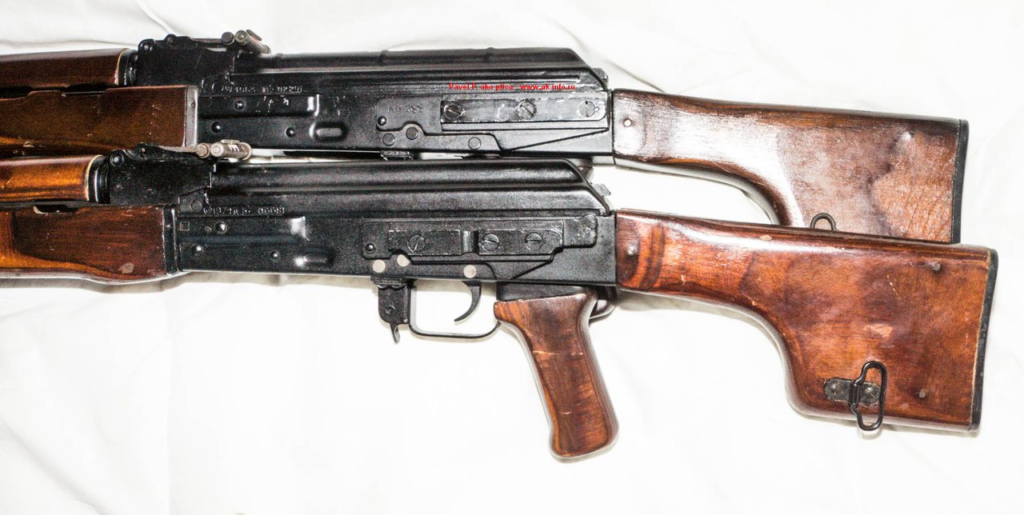
Pictured: The most insane way to issue light machine guns with different optics packages.

The dovetail will fight most standard AK side rail mounts and other purpose-built optics meant to utilize it, however, such as our Midwest Industries mount, and the Russian-made PSO or Kobra sights.
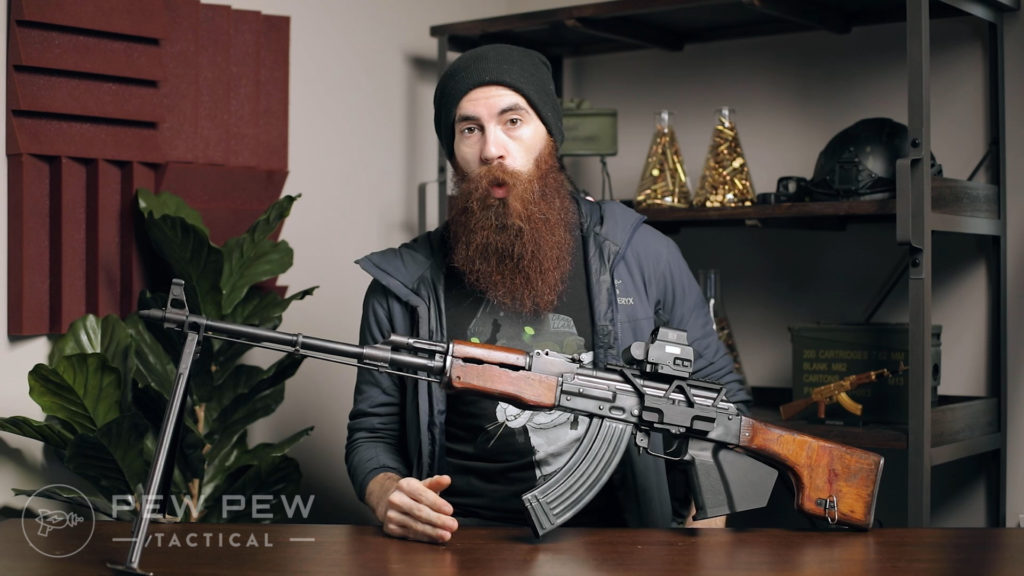
what is this facial expression? ????

Off To The Range!

Firing the RPK is an absolute blast! Although the gun is obviously devised as a support weapon and ours is locked to semi-automatic, burning through a mag on a longboi with a bipod still gives us that distinctive warm and fuzzy feeling. 
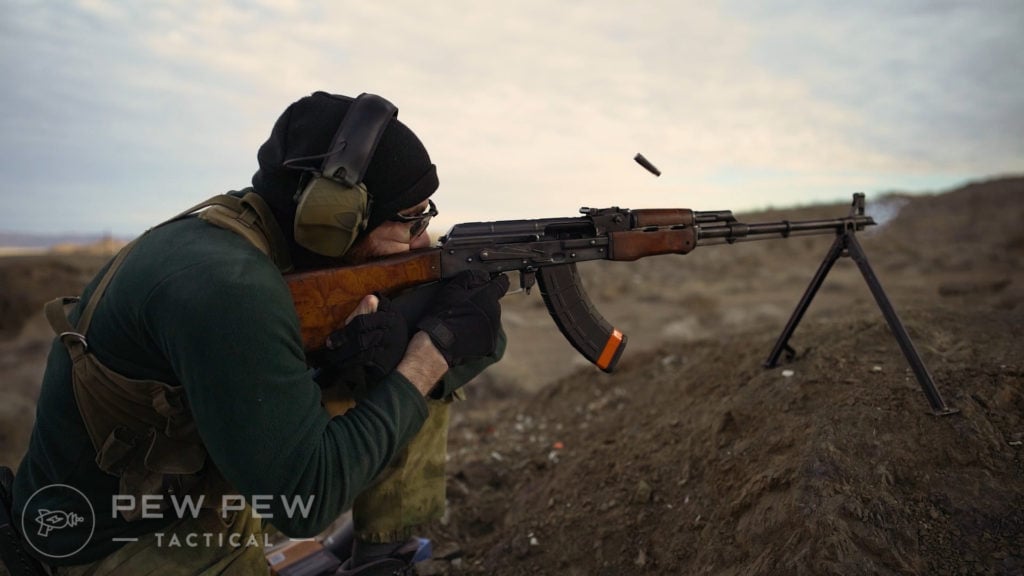
straight blappin’

While quite simple, the bipod does its job admirably. When not in use, it locks in place underneath the barrel via a small locking latch.

To deploy it, you release the latch and let the springs do their magic – opening the bipod legs enough to allow them to swivel forward and lock into place beneath the front sight block.
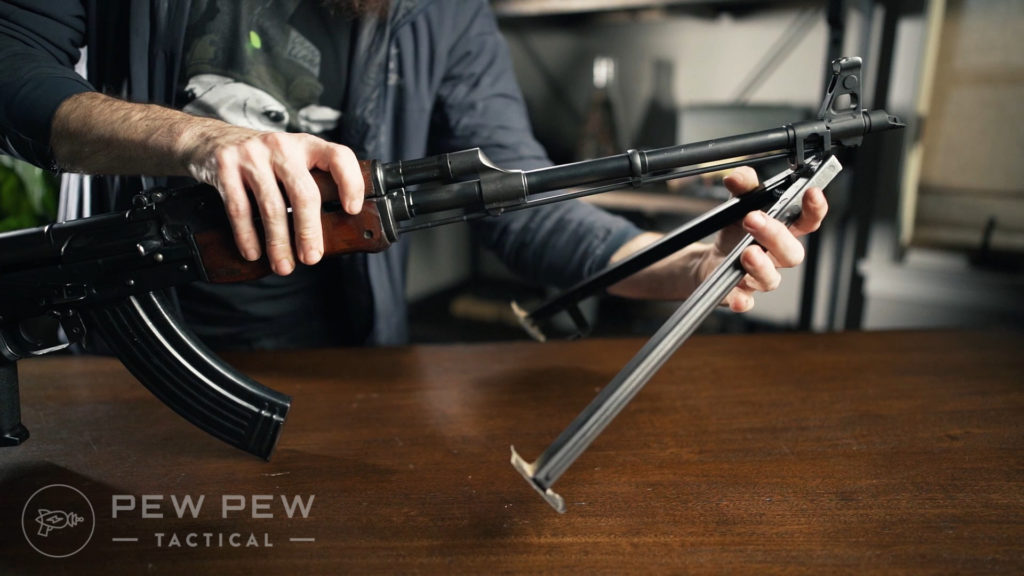
whoosh

You’ve got a tiny bit of traverse, but the bipod itself doesn’t have much swivel functionality, so you’ll have to physically move the gun to engage different targets laterally. 

The sights themselves are what you’d expect from an AK patterned rifle, with the notable addition on the RPKs of a knob that controls windage. Why the Soviets thought you’d need specific windage adjustment on a gun meant for suppressing and saturation fire, we’re not sure, but hey! It’s neat. 
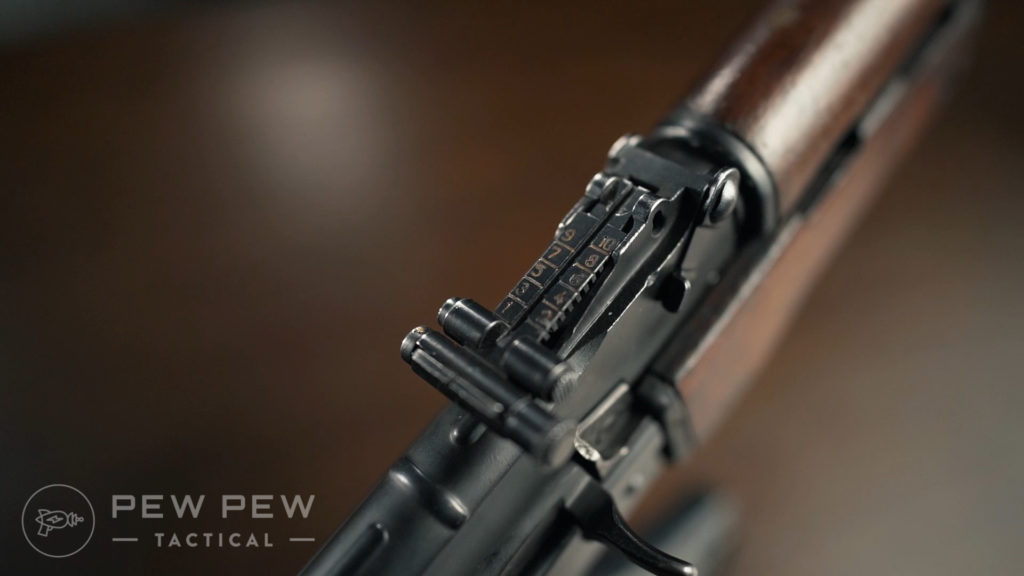
The windage knob is the rearmost cylinder behind your normal elevation adjustment controls.

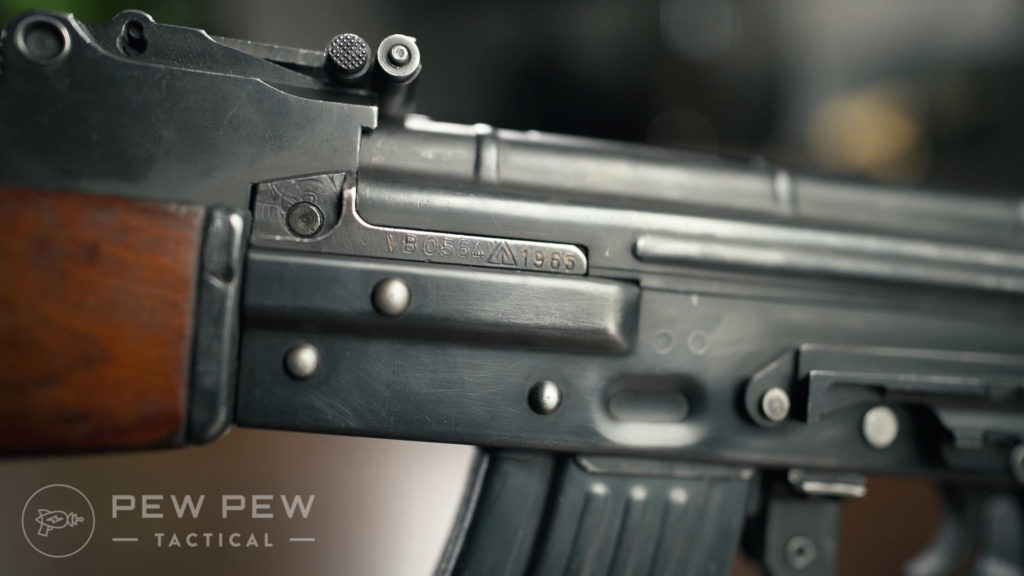
Our particular RPK is comprised of matching 1965 dated stamps throughout, which is neat knowing that this rifle and all of its parts kit components have lived together in one iteration or another for 50 some odd years.

The wood featured on the handguards and stock are beautifully stained and full of patina and character.

A particular aesthetic gripe of ours is the weird blonde and deep red stains we see on a lot of American made AKs – whereas the actual Combloc stuff tends to be much less flashy, especially when it’s beat to shit through years of use. 
One… sort of disconcerting part of the handguards is what might be several ‘notches’ cut into the right side of the upper handguard itself.

You can draw your own conclusions as to what that might mean, and they may just be innocuous wear marks unrelated to creepy kill counts, but combined with the fact that the Romanian military would have only ever deployed this in anger to put down the December of ’89 revolution and… well, yikes. 
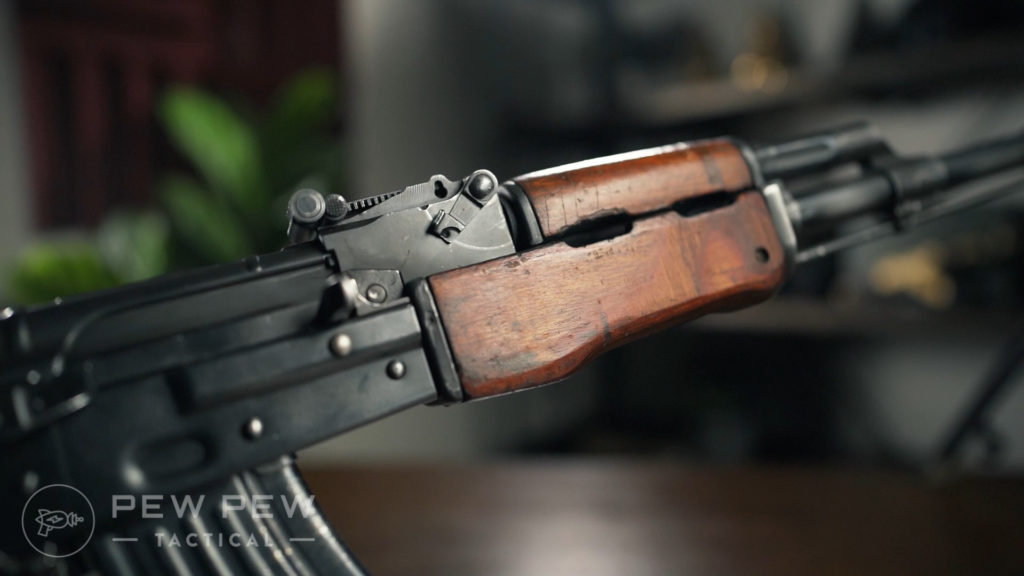
😬😬😬

The gun’s got the iconic RPK clubfoot stock in the rear as well, which includes a steel buttplate with a compartment for stowing a cleaning kit.
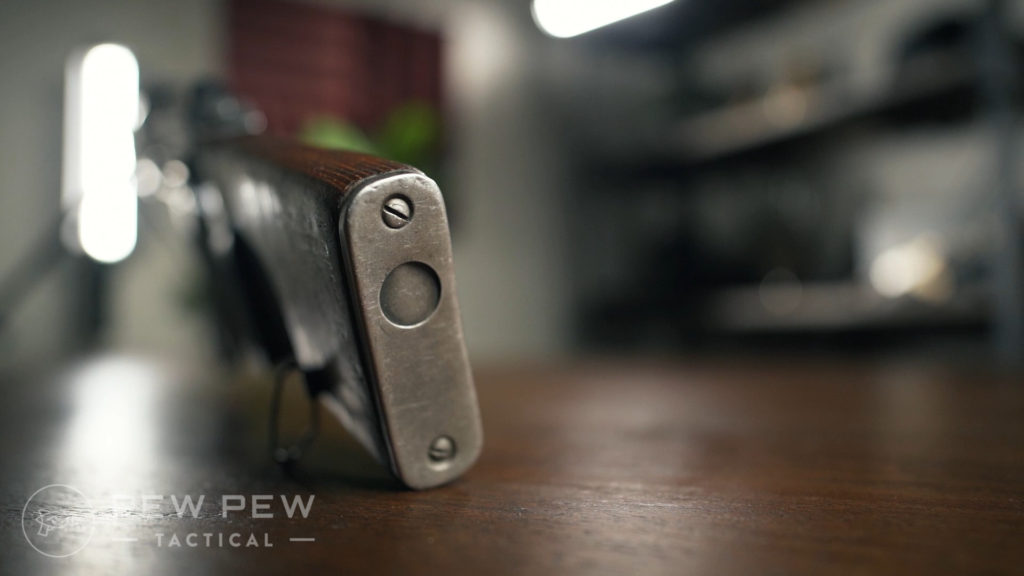
Your standard steel buttplate

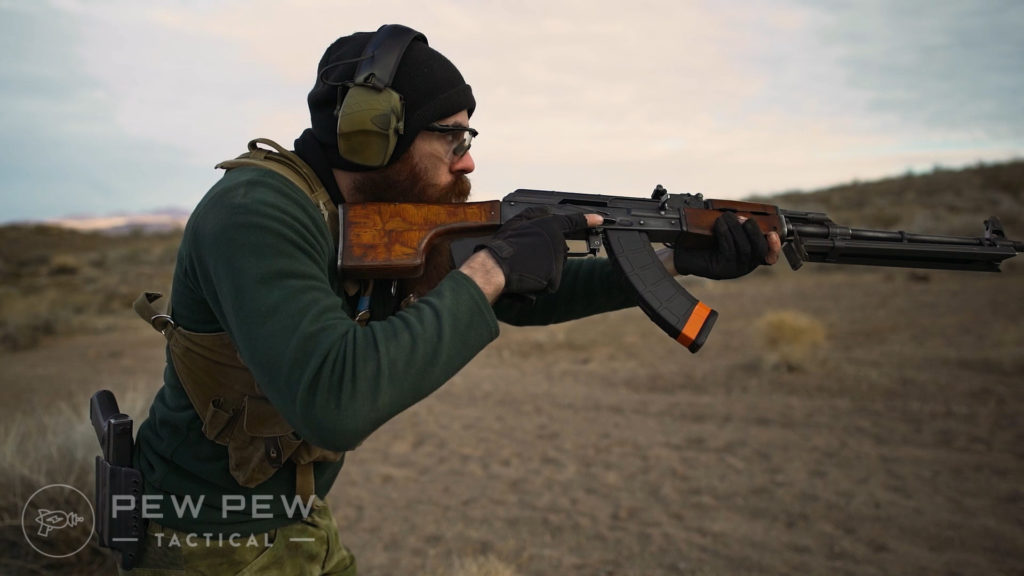
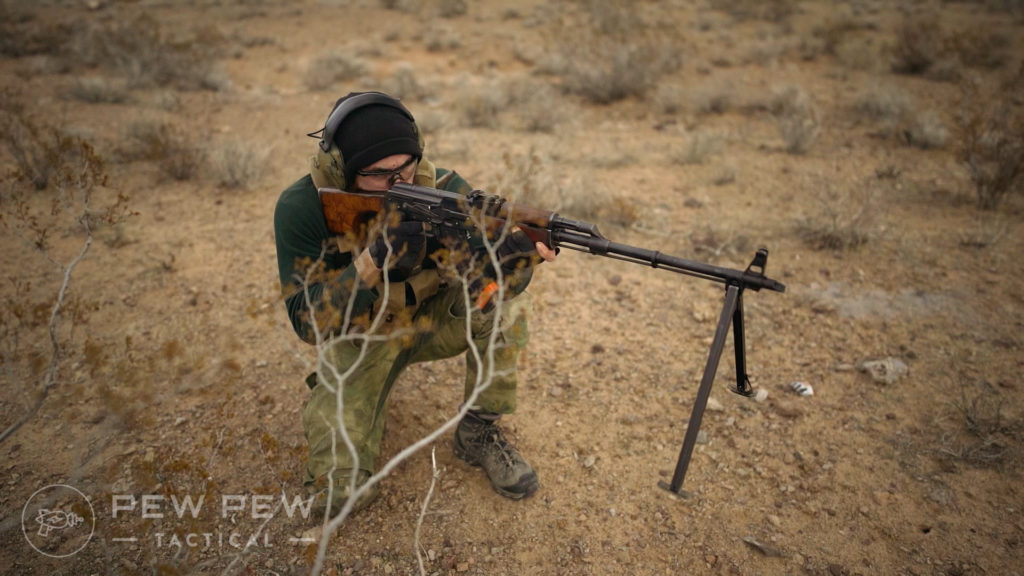
The stock is obviously designed to maximize stability when shooting from the prone, and as is common with a lot of soviet weaponry from the era, feels absolutely odd when trying to fire while standing with anything close to a modern grip. 
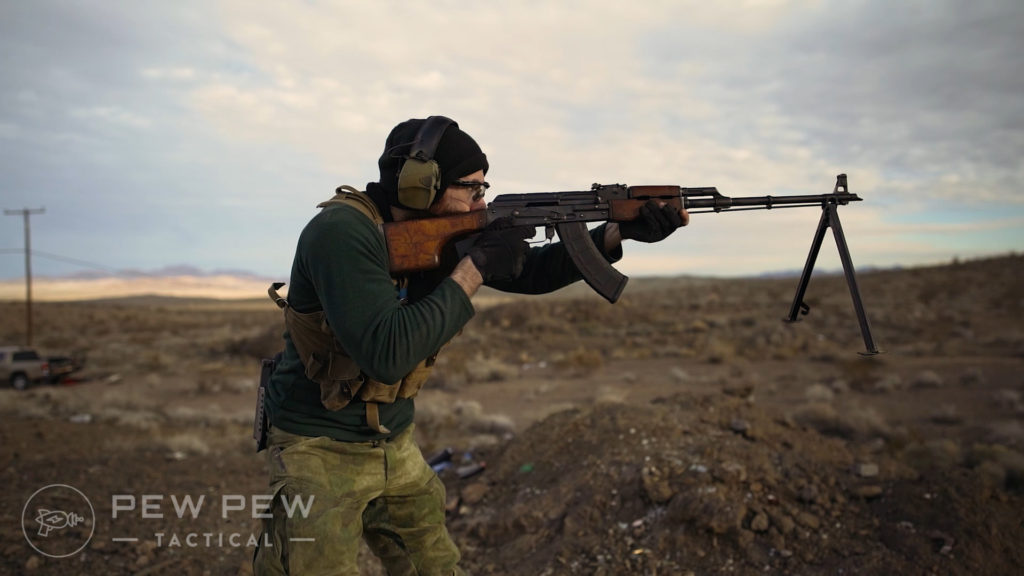
I’m not sure what to do with my hands…?

The gun feels very similar to an SKS in that regard – wherein the length of pull on the stock compared to the overall length of the gun is going to throw you off if you’re used to ARs, adjustability or the game-changing western concept known as… comfort. 😎

Obviously, the RPK’s barrel is quite humongous, and as such its center of gravity is going to be way out front the handguards themselves, but the gun’s not necessarily meant to be fired from the shoulder, so that’s not really a fair criticism
A fun thing to note is that the Romanian RPK is one of the few Combloc RPKs that share specs with the original Soviet guns, meaning that if you want to trick the gun out with aftermarket parts and components meant for the original RPK — they should drop right in here.

This stands in contrast to the Yugo and Serb made Zastava RPKs which utilize an entirely different rear trunion for the stock, among other differences.
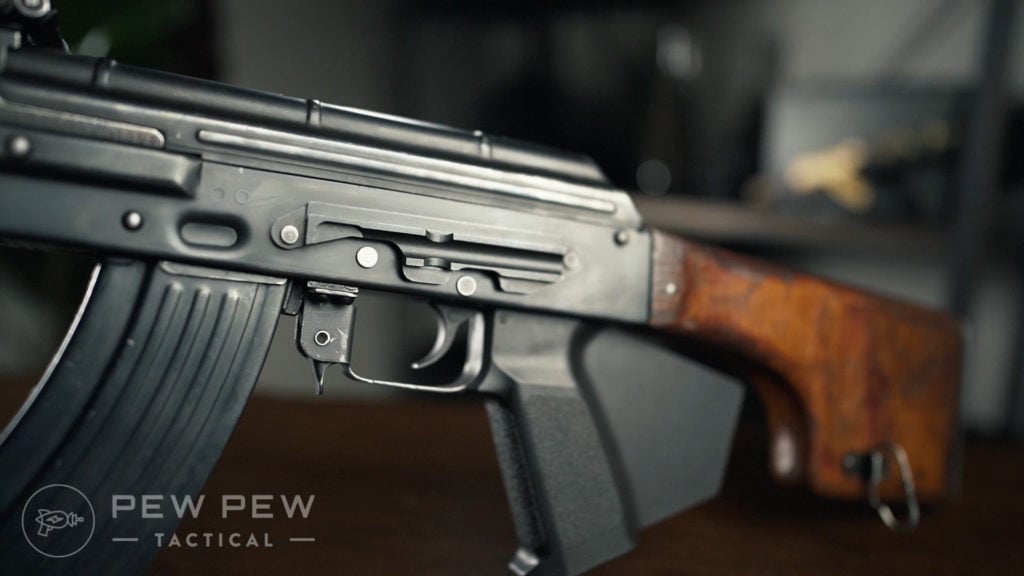
Don’t ask us why you’d want to go tricking out a historical throwback gun, but… you can.

While we didn’t bother shooting groups with what’s essentially a civilian version of a support weapon, anecdotal evidence suggests that shooting from the bipod does indeed effect point of impact, as it’s mounted directly to the barrel itself.

Again, maybe something to be aware of if you’re concerned about accuracy whatsoever, but we weren’t – this is a fun range toy to burn mags through, not a precision weapon. 
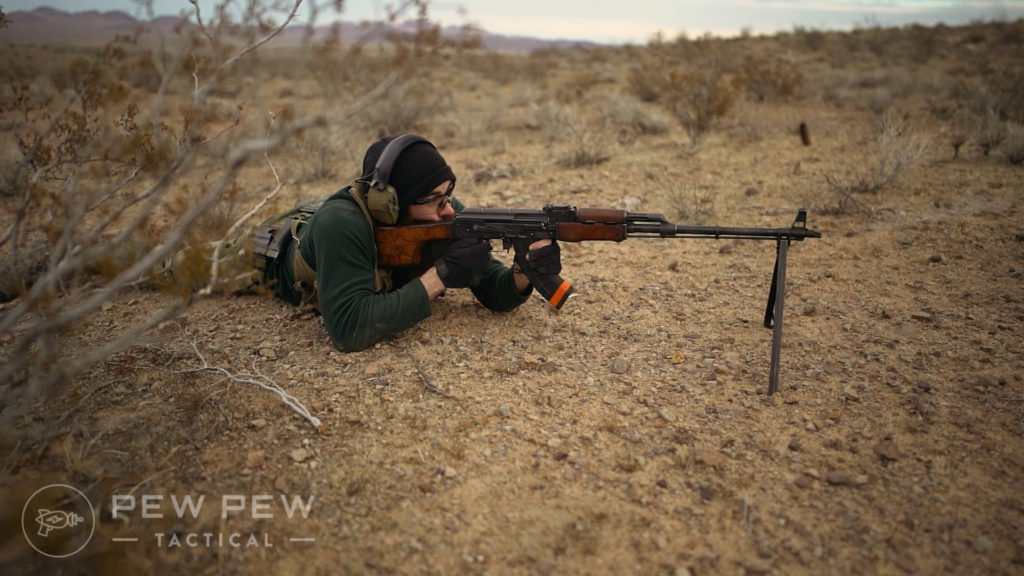
Walk those shots in like the rest of us, dorks.

The trigger itself is pretty decent and has relatively minimal creep and takeup before breaking.

Of particular note is that Atlantic is totally willing to ship these to California as long as you slap on a grip fin bought from them to make the gun featureless – which we quite enjoy. 
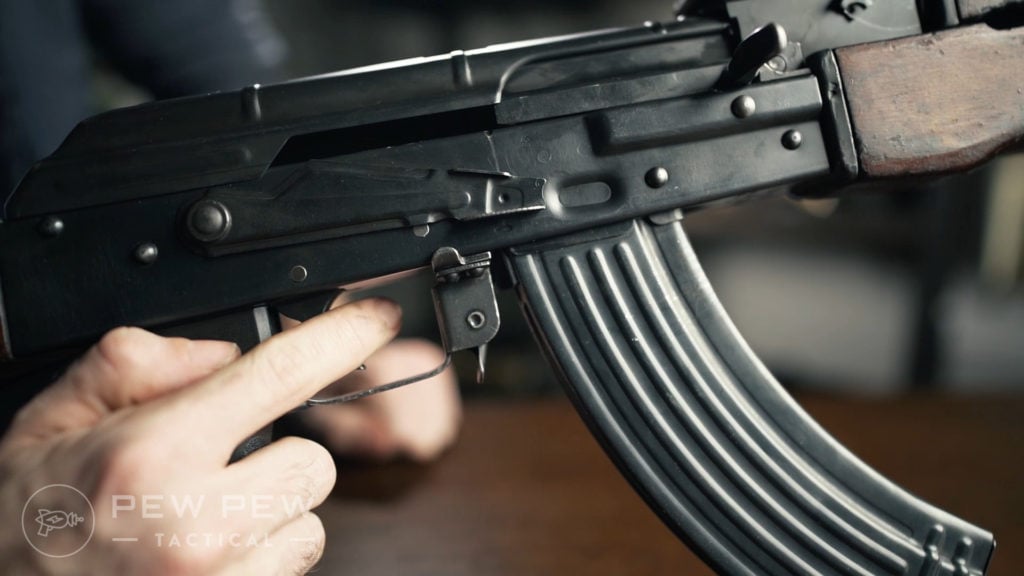
This does feel a tiny bit wonky, however.

However, compared to an AR where a grip fin doesn’t feel that different once you’re used to it, fins on AKs can feel downright odd, and are going to change the angle at which your finger engages the trigger if you’re following proper shooting technique.

It doesn’t lessen the fun of blasting away on this thing too much, but be aware all the same.
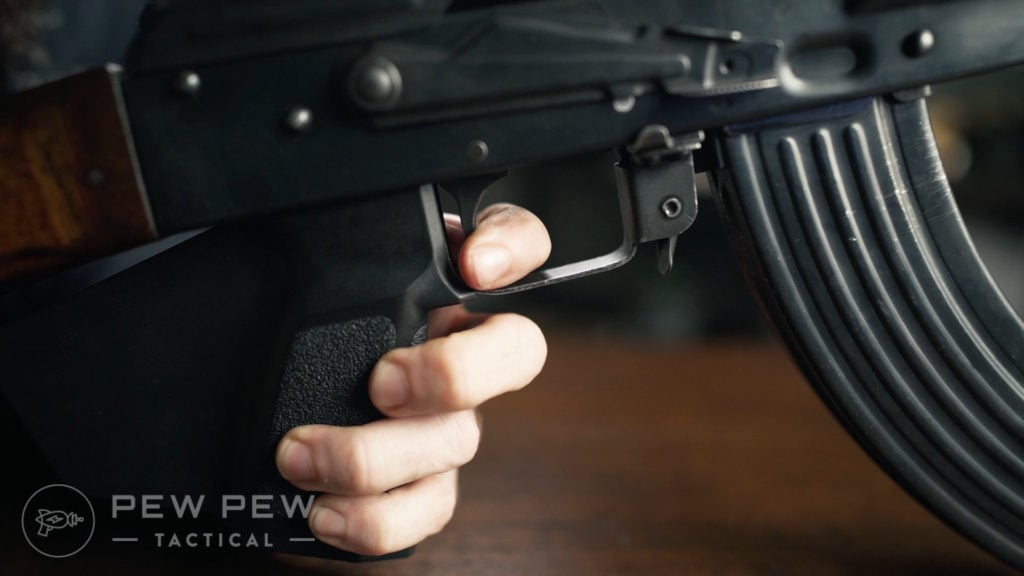
*click*

By the Numbers

Reliability 5/5

Surprising no one, the Romy RPK ate every shitball combloc lacquered-cased 7.62×39 round we fed it with zero issues. It’s an AK at heart – were you expecting anything less?

Accuracy 3/5

Perhaps this isn’t quite fair as we didn’t spend a lot of time gauging accuracy or even bother shooting groups, but the 3/5 score is meant to reflect the point of impact when shooting off the bipod.

The irons are reasonably accurate without adjustment, but you’re definitely going to notice a difference once you’re leaning into the bipod that’s mounted directly to the barrel.

Ergonomics 3/5

Again, it’s an AK with a huge ass barrel. Ergonomics are not it’s strong point off the shoulder, but the gun is a breeze to shoot from the bipod or in the prone position.

Its center of gravity is quite a bit forward of a standard AK, but this is mitigated by using the gun in a way similar to its intended role.

Looks 5/5

The gun is downright hot, and there’s no denying it. Atlantic did an amazing job matching the overall wear and tear on the American-made parts with the authentic patina of the MD-64 parts kit the rifle is built around. Bravo!

Customization 3/5

While RPK aftermarket accessories are available, you’re going to be a bit limited. In theory, the rifle should be able to accept a host of Zenitco products if you’re brave enough to throw down the cash for them (and partake in the modifications necessary to get them to fit correctly), but overall, this probably isn’t why you’re taking a serious look at this gun.

Bang for the Buck 4/5

For dorks like us, snagging a rad piece of Commie history for a little over a grand is a steal, and the gun itself as a pleasure to shoot. If that sounds up your alley, we’d recommend keeping a close eye on Atlantic – as the Romanian RPKs go quite quickly when they’re available!

Overall 4/5

Parting Shots

All in all, the Romanian RPK is another super cool piece of history if you’re at all into AKs and cold war communist gats, as I definitely am.

At about $1,200 when they’re in stock, you’ll have to decide if this collector’s piece is worth the wallet pain yourself.

var PPT_APS = PPT_APS || {};
PPT_APS[48340] = {
“id”: “48340”,
“title”: “Atlantic Firearms Romanian RPK”,
“img”: “https://www.pewpewtactical.com/wp-content/uploads/2020/01/ALT-Firearms-RPK-300×162.jpg”,
“tag”: “”
};

But considering actual Soviet-made RPKs are essentially unobtanium, this is likely going to be your best bet if you’re trying to snag something closely related to one of the world’s first magazine fed squad automatic weapons. 

Which of you throw down the cash on historically relevant firearms? Would you like to see us continue to play with old gats? Let us know in the comments below! For some more awesome Combloc you can feel, take a look at the Best AK-47s!
The post [Review] Romanian RPK: Haunted AK Squad Weapon? appeared first on Pew Pew Tactical.

[Review] Romanian RPK: Haunted AK Squad Weapon? Read More »

Did Soleimani get JAGM’d? A Little Follow-Up on the Joint-Air-To-Ground Missile, Precision-Guided Goodness

By David Crane defrev (at) gmail (dot) com January 6, 2020 Well, this year (2020) certainly started off with a very big bang (or several bangs, perhaps), when a US General Atomics MQ-9 Reaper/Predator B weaponized drone/UAS (Unmanned Aerial System) sent what may have been multiple Lockheed Martin Joint Air-To-Ground (JAGM) Missiles into cars containing …

Did Soleimani get JAGM’d? A Little Follow-Up on the Joint-Air-To-Ground Missile, Precision-Guided Goodness Read More »

Security Information Overload: From Panic to Apathy & the Remedy

Security Information Overload: From Panic to Apathy & the Remedy

Security overload leads to apathy. How often do you hear a car alarm go off and roll your eyes hoping the owner would disable the blasted thing before the incoming headache comes a knocking? The primary objection I have to such systems is they work too well. Every week I hear an alarm being triggered […]

This is just the start of the post Security Information Overload: From Panic to Apathy & the Remedy. Continue reading and be sure to let us know what you think in the comments!


Security Information Overload: From Panic to Apathy & the Remedy, written by Thomas Xavier, was created exclusively for readers of the survival blog More Than Just Surviving.

Security Information Overload: From Panic to Apathy & the Remedy Read More »

Greater Patagonian Trail: GPT 4 – 3

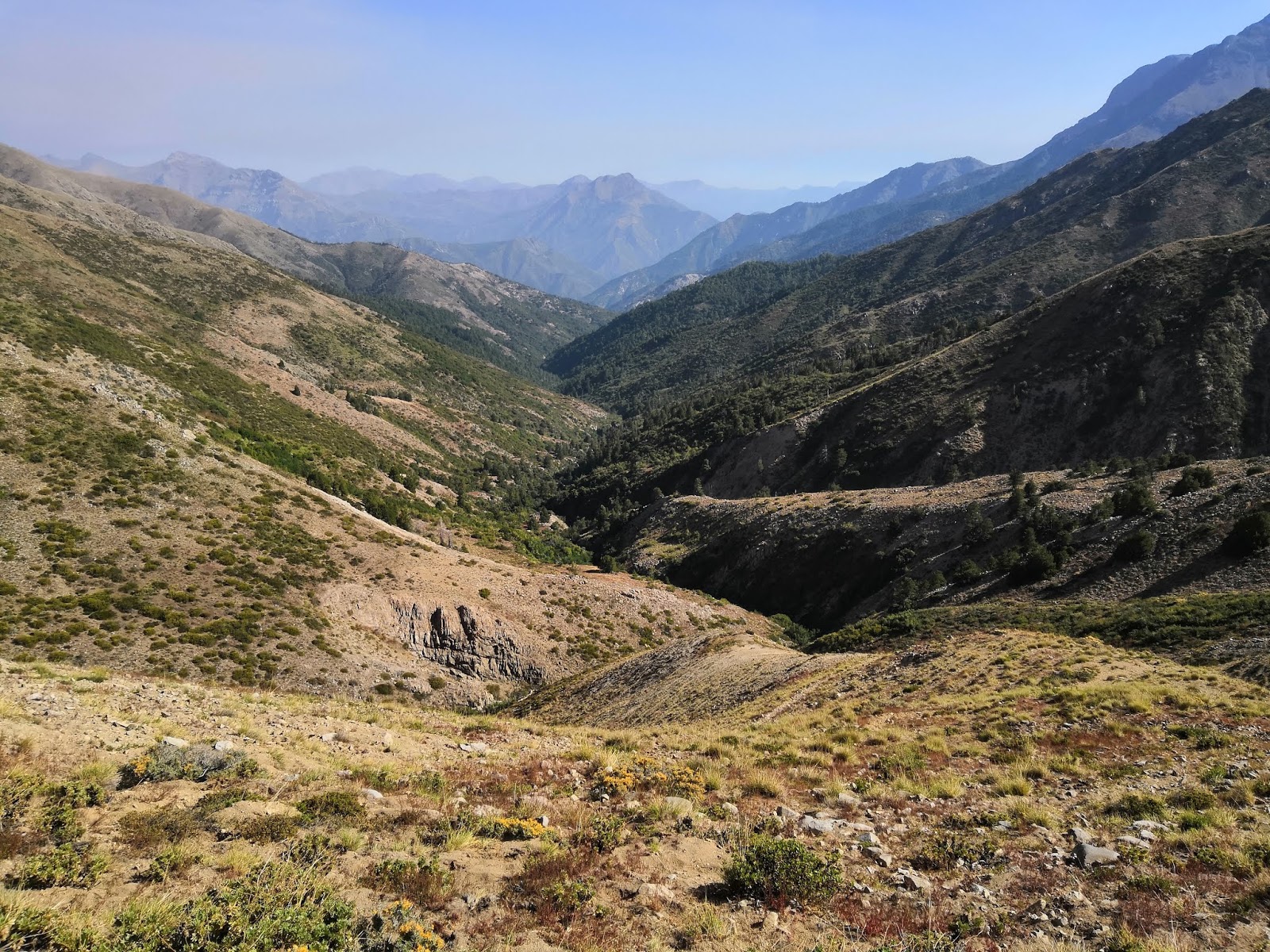
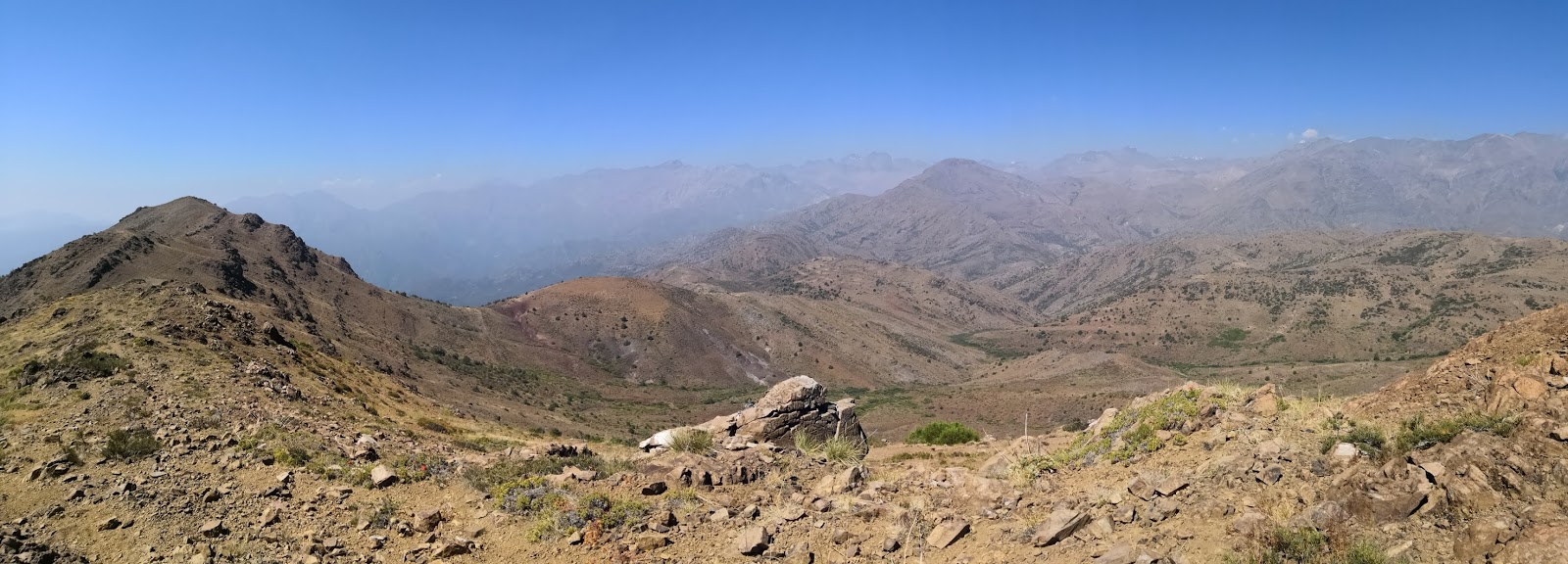
My time on the GPT was now slowly coming to an end. With less than two weeks left before my flight back to Germany it became clear that I would probably not be able to hike all the way up to Santiago de Chile. Therefore I was not very disappointed when I heard that section 5 was closed due to another volcano alert. I skipped forward to section 4 which was not rated as particularly attractive. As I was soon to find out this rating is completely wrong.

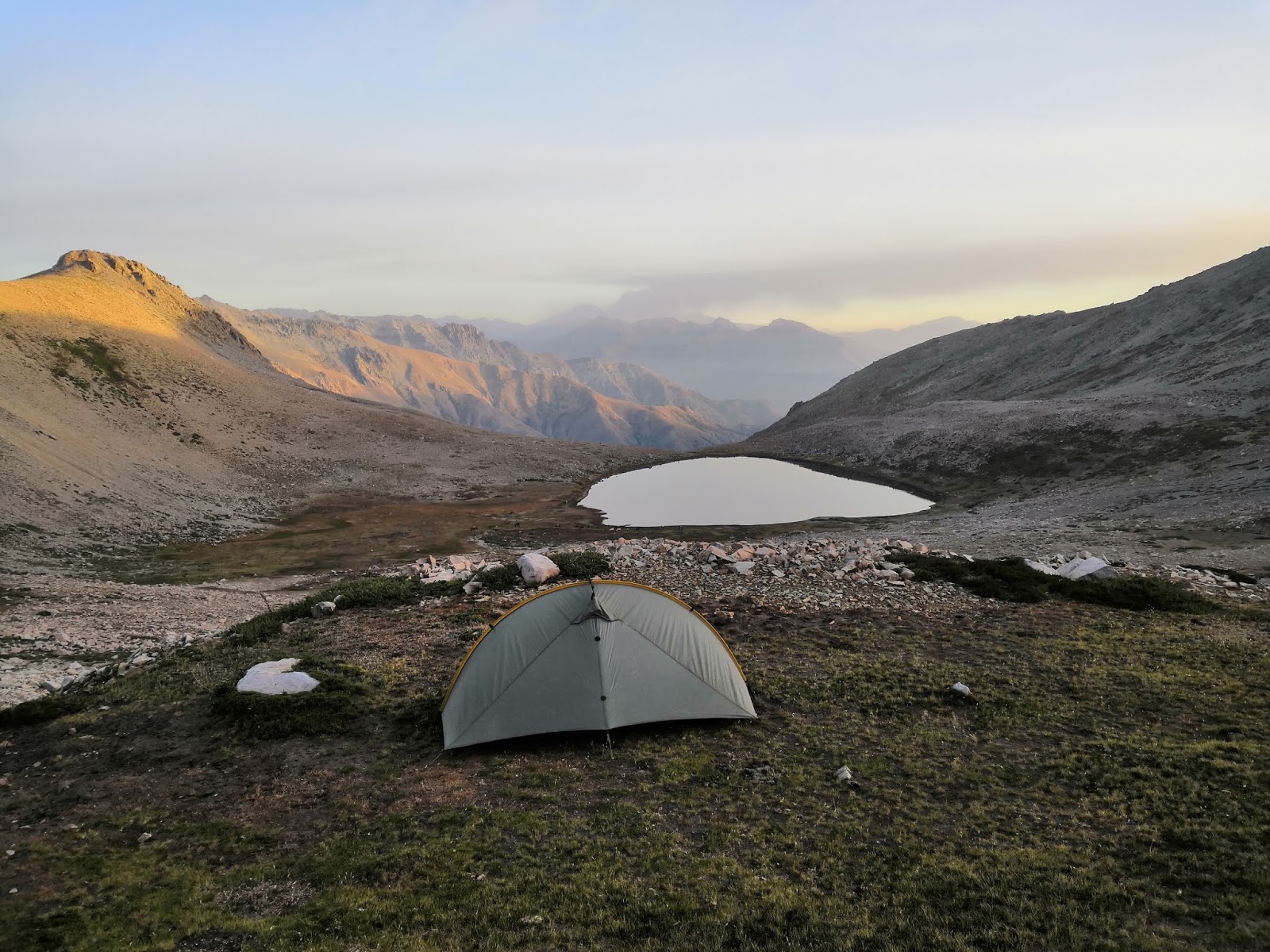
After more than one day of continuously ascending in dry mediterranean landscape I reached two alpine lakes – and a herd of wild horses and cows.

As I did not want to be woken up by a four-legged friend, I camped a bit further up and away from water. When I looked out of my tent into the sunrise I saw a big cloud of smoke in the distance and realised only after a while where it came from. This was not a forest fire – this was smoke from an active volcano! And this volcano was the reason why I was not able to hike section 5! Although this volcano was more than 50 kilometers away I felt pretty uncomfortable and tried not to think about a volcanic eruption … But when I woke up in the morning the sky was clear again and all the smoke had disappeared.

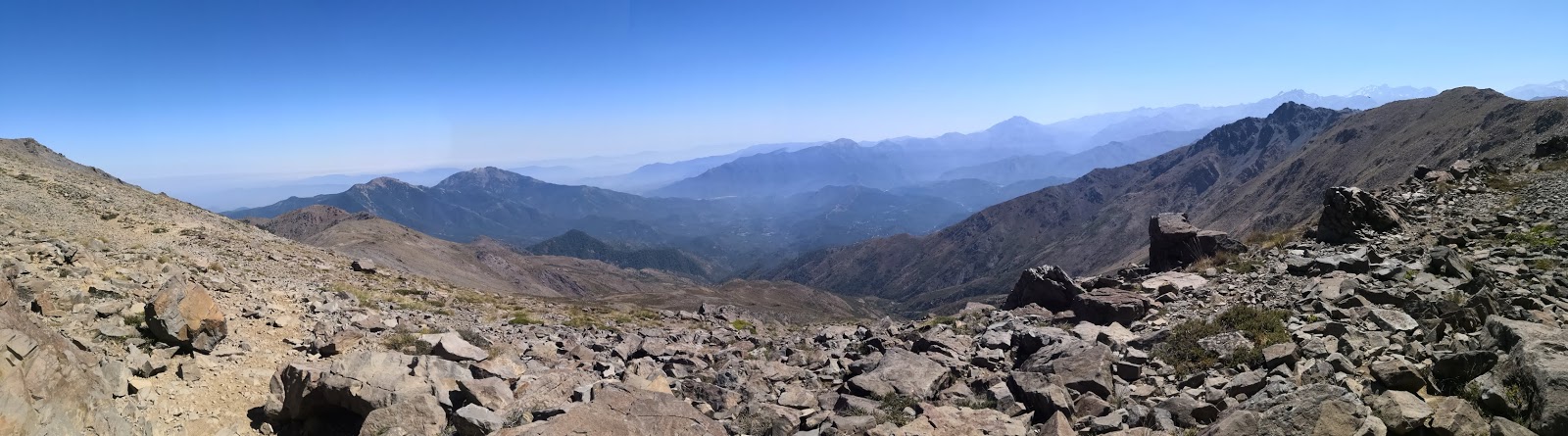
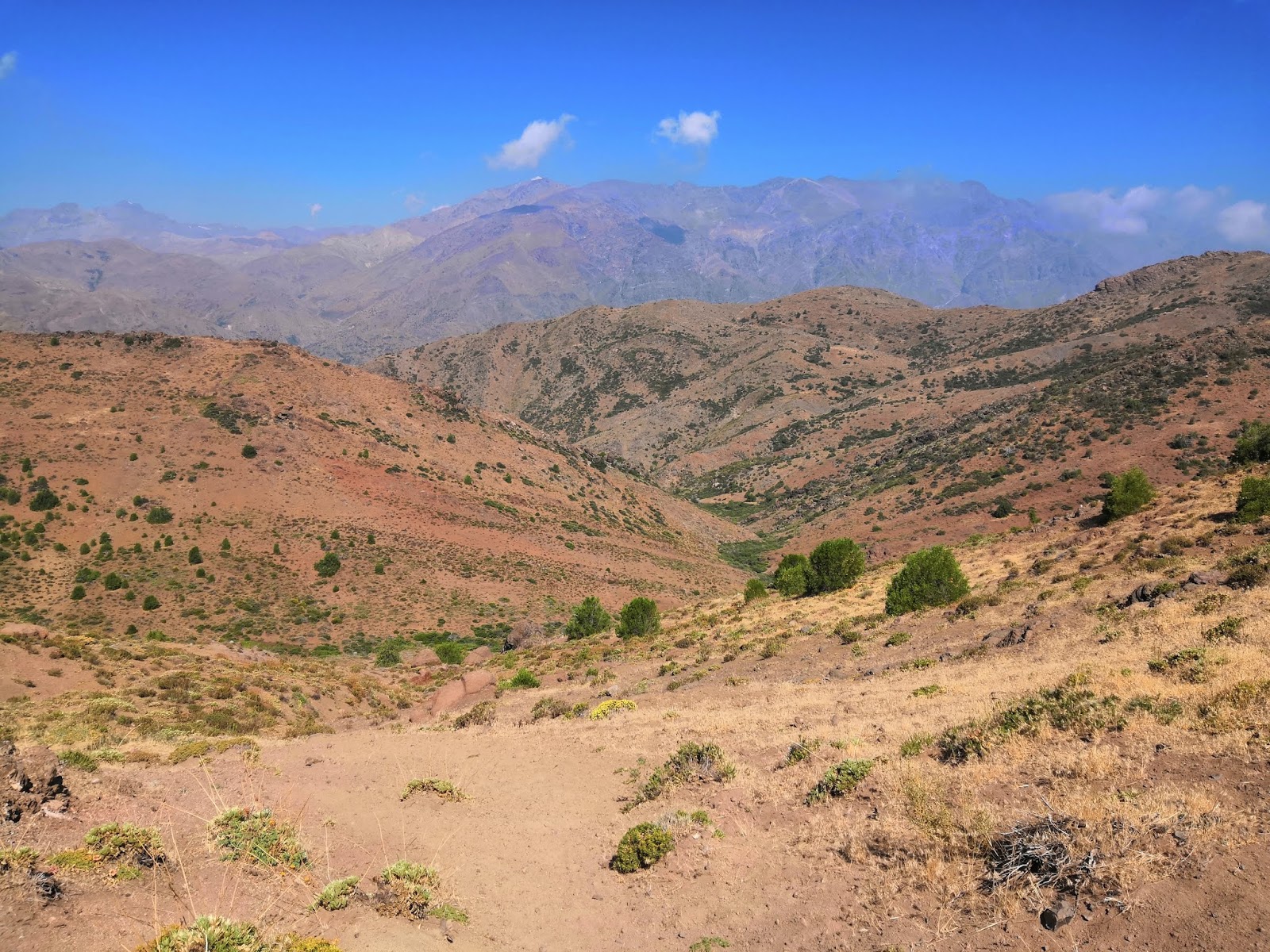
After some climbing over rocky slopes I reached another beautiful mountain lake in the morning and could not resist the temptation to take a swim. Continuing up to the next pass I came across two arrieros on horse back – and right on top of the pass 4 G cell phone reception …
I must admit that I ignored the spectacular mountain scenery for half an hour while checking on my smart phone what had happened in the world.
The descent was as long and dusty as the ascent and when I finally reached the valley bottom I could not even find a campsite!

A small water fall in the valley was a very popular picnic spot and very crowded in this hot summer evening. Luckily I did not have to pay the entry fee as I was walking out. First it was too busy and crowded to camp, then everything was fenced in and in the end I had nearly reached the road. With a little detour I eventually found a decent campsite but I could still hear the noise from a nearby youth camp.
I woke up next morning to a rare phenomenom in this area: fog! I even had to pack a wet tent …

 As soon as I had reached the road I came across a mini-market where I could buy some more snacks and delicious freshly baked bread. I needed this motivation because there was a long road walk ahead. It would have been unbearably hot and dusty in the sun, therefore I was more than grateful for the fog.
But where the route presumably turned off the road there was a huge fenced-in private property with a farmhouse right at the entrance. No way I would be able to sneak in there. So grudgingly I continued walking on the tarmac road which meant a huge 10 kilometer detour!

When I saw a bus shelter next to the road I decided to try my luck, sat down and waited. And for sure, after only half an hour a bus arrived and saved me 16 kilometer road walk! I was so happy that I bought some ice cream in a mini-market before finally embarking into the mountains again.
The GPT route took me along a very popular valley where now dozens of families were picknicking and camping. At the end of the dirt road a locked gate was decorated with several “no entry”-signs. All the locals ignored it and there was even a soical path around the gate …
Unfortunately a couple of kilometers later there was another gate like that with even more “no entry”- signs. I climbed it and felt very uncomfortable. I walked several kilometers with seeing anyone and already felt relieved when all of a sudden I heard a truck approaching. I disappeared into the bushes. The car stopped just a couple of hundred meters later. I decided to walk around it off trail. Very bad idea! I ended up fighting my way through blackberry bushes, lost half an hour of time and got several scratches.

Plus I discovered that there were discarded beer cans and old fire rings all over the place. Despite all these “No Entry”-signs this was a popular fishing area. The people I had tried to avoid were probably harmless fishermen trespassing here as much as I did.
When I climbed out of the valley I encountered a group of arrieros descending you told: “If we had know that you are here we would have brought wine …” Luckily they were going the other way …
And when I finally had found a nice campsite I was visited by a lonely cow.

Next day was very hot and very dry – and unfortunately I had not brought enough water from the last water source. The trail dragged on forever under the relentless sun and I was cowering under a bush to get some shade during my thirsty lunch break. When I finally reached a water source in the evening I drank 1,5 liters straight …
I was now a bit worried about the rest of this section because there was a river crossing ahead which Martin had not been able to do two months ago. I hoped that the river would now be passable after snow melt. I fortified myself with a lot of blackberries which were growing at lower elevation.

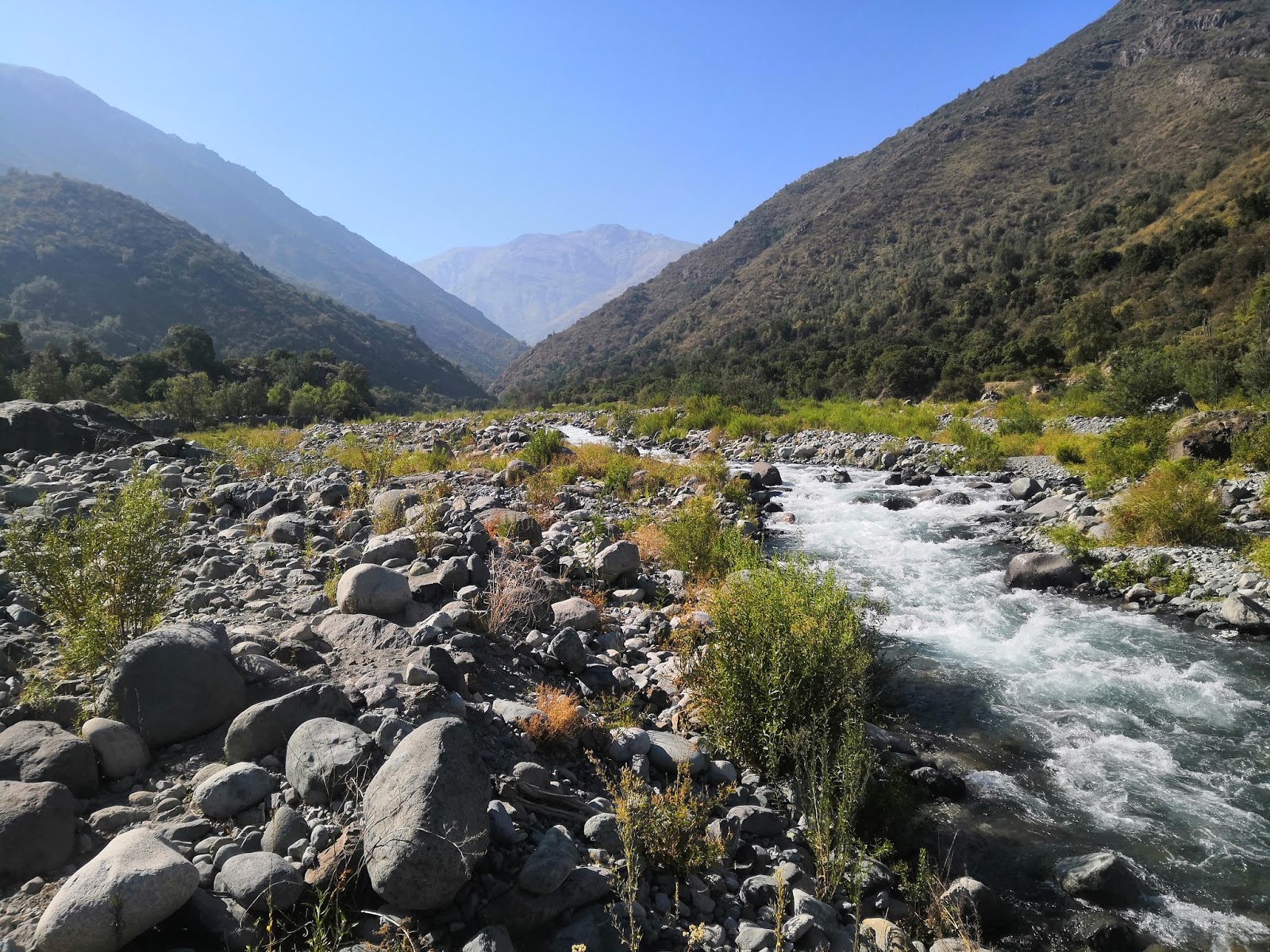
The river was very cold and very swift and I had to concentrate hard to find the best way but I made it safely to the other side. Relieved I took a thorough bath to wash off all the dirt before I started another long ascent.
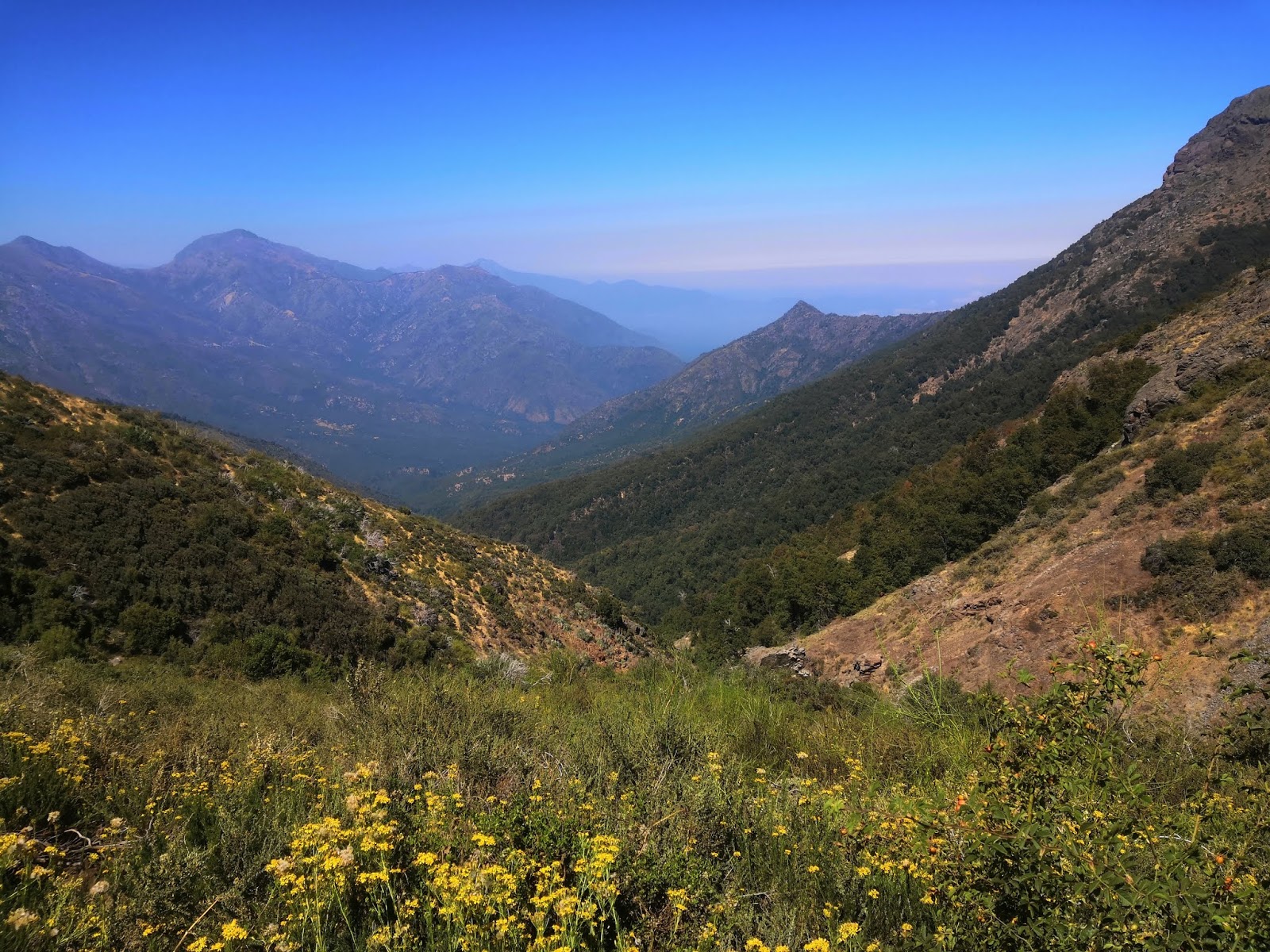
I had been warned by other hikers but the route now took me through one of the worst bushbashes of the entire GPT. Apparantly now cattle was driven up here and therefore there was no trail. But when I finally reached the pass the view into the next valley more than rewarded me for all the hard work. It is so typical for the GPT to go from “this is horrible” to “this is so beautiful” within five minutes …

Unfortunately on this occasion it changed back to “this is horrible” within one hour. As usual the “trail”, in this case a faint horse trail” was routed high above the river in the valley and in several places I was afraid of slipping. But by now I was already so used to this kind of hiking that I just walked on until I found a flat spot near the river for camping. Although I did not know it then this was my last night on the GPT … In the morning I wondered if I could make it out to civilisation in one day. It was more than 30 kilometers to the next road – but God, I needed some time off the trail after the last hard days.

And the day started difficult indeed: Within half an hour of walking the trail disappeared completely into blackberry bushes. I first tried to fight my way through the thicket with the help of my trekking poles but I soon gave up. Without a machete there was no way I could make it through several hundred meters of the thorny jungle. I ended up wading directly in the river! Eventually in lower elevation the trail got better and better and I was hiking faster and faster despite the fact that I still had to get up and down several little passes. In the evening I passed some wonderful campsites and stopped briefly. I could stay here another night and hike out to the road next morning instead of rushing it now. But I felt that the hike was over for me. As spectacular as it had been – I have now had enough!
But this is the GPT and therefore it had another surprise waiting for me: When I emerged onto the brandnew and paved road there were plenty of trucks carrying sulphur from the mines – but no bus!

Beach near Valparaiso

There was a huge container building nearby in the middle of nowhere so I walked over and asked the security guards about public transport. There was none – I was told. But this was workers’ housing and I could ask people exiting the premises. The first truck was occupied by three worker who happily gave me a lift into the next village from where a bus took me to Rancagua. I must admit that I booked myself into a push four star hotel to get a bit of luxury.
After some brainstorming in the hotel I decided next morning that I would indeed spend my last week in Chile sightseeing instead of returning to the trail. The last missing sections were not the most attractive ones and I basically had had enough. I spent my last days in Valparaiso and Santiago de Chile before flying back to Germany.

Greater Patagonian Trail: GPT 4 – 3 Read More »

The Best 9mm Luger Ammo

“Best” is an adjective that starts fights faster than quick. No sooner than you declare something the best you have a dozen folks ready to refute you with master-crafted rebuttals, Powerpoint presentations or name calling. This is true of the gun world as with any other.

You might even make a reasonable argument that even dabbing that most irritating of descriptors onto any professed information is simply a recipe for disaster.

Can you really declare anything as best? Gun, ammo or otherwise, considering how many variables there are to consider? How different people are? Is there any point?

Yes. Yes, there is. When it comes to self-defense, the terrible arithmetic and attendant chaos of a gunfight demands that you seek every possible advantage beforehand.

Choosing the right ammunition is essential in order for your shots to have maximum effect on your adversary. Over time and through our mutual history of shooting one another, humans have learned some basic rules, some fundamentals, as to what the best way to shoot someone is, and with what.

The somewhat grisly science of wound ballistics has yielded actionable data, and shaped modern ammunition design accordingly.

In this article, we’ll be taking a look at what makes for good self-defense ammunition, and I’ll be offering my top three recommendations for defensive loads in the ubiquitous 9mm Luger.

Squashing Misconceptions

Before we begin, let’s put to bed permanently a few egregious but persistent myths surrounding the wounding mechanisms of bullets, specifically handgun bullets. I have no doubt that most all of you reading have heard of such terms as “stopping power,” knockdown power,” “hydrostatic shock” and other pseudosciencey vernacular.

“.45 is the best cause it has the most stoppin’ powah than the 9mm!” “I use a big .44 Magnum cause it causes more hydrostatic shock effect,” and so on and so forth.

These terms are nearly totally meaningless. Hydrostatic shock is often an erroneous misnomer for an occurrence known as temporary cavitation (more on that in a moment), but in the general lexicon is often used to describe some mysterious effect where the impact of a bullet causes such disruption of the tissue in the body it causes a sort of system-wide shutdown.

This is bunk, at least, bunk in as much as what happens when a person “shuts down” after being shot may result from one of several causes, causes like a central nervous system hit, or a psychological stop resulting from the person simply falling down and giving up.

Either may occur, or may not, but the former is caused by physical destruction of critical organ structures in the body and the latter for reasons beyond our control as they are dictated and calculated in the shootee’s mind.

“Stopping Power” is a long runner piece of treasured shooter lingo that simply does not mean anything in a quantifiable sense. But words must mean something, so in most cases the person using it is making a proclamation that Cartridge A is better than Cartridge B because it is bigger or faster or something.

How do you calculate such a thing, and why once calculated to we see multiple, repeated failures of bullets to have effect on a target, even bullets with commonly accepted “high” stopping power?

Knockdown power is an utterly meaningless term; no bullet from a shoulder fired gun or a handgun can knock someone down. It’s simple physics, and not in any way, shape, form or fashion open for debate. If a fired projectile could blow the target off their feet, the shooter would likewise be bowled over.

What either above term may be referring to is a colloquial ranking of “effectiveness.” This is a little more forgivable, as bullets and cartridges are not created equal, and some are decisively more effective against humans than others. Even with this explanation, what makes Cartridge A more effective than Cartridge B?

There is the question. But to answer it, it is illuminating to answer another question first: just how do we damage and incapacitate, or stop, an attacker as quickly as possible?

Incapacitation Factors

Very briefly, there are only two ways by which we can stop an attacker with gunfire, and of those two only one is reliable or predictable in any real sense.

Those ways are physiological in nature and psychological in nature. As you have no doubt intuited, one has to do with physical bodily processes and the other has to do with mental and emotional processes.

A physiological stop results when the person can no longer physically continue their action against you. This result itself could be one of several outcomes: a loss of blood pressure or volume severe enough that physical movement is impossible, or destruction of central nervous system targets responsible for the voluntary or involuntary control of the body and its many processes.

In essence, if we shoot an attacker, we punch a hole in them in addition to damaging or destroying any tissues in the bullets immediate path. Any bullet wound will result in a certain amount of blood loss. Once blood volume and pressure in the body is insufficient to sustain movement, the body collapses.

If the brain is not supplied with enough oxygen, consciousness is lost. If we strike more “valuable” targets in the body, e.g. major cardiovascular tissues and organs, heart, aorta, major arteries, etc., and strike them multiple times, then we can generally depend on a correspondingly faster loss of blood volume and pressure, and less oxygenated blood staying in the system, thereby resulting in faster incapacitation.

A solid hit to the central nervous system, specifically the brain or upper spine, is the most typical cause of true instant incapacitation, but even that is no guarantee.

A person struck in the spine may lose partial or near total body control, but may have enough control left to pull a trigger or swing a knife. Often referred to as “off switches” in LE and military vernacular, they are still not 100% infallible.

But on the other hand we must consider psychological incapacitation. These factors we have little control over, as they solely between the ears of the person being shot. Psychological factors essentially boil down to the person being shot giving up, either from mental or emotional distress.

These are the reasons why some people, when shot, fall down and are done for as far as the fighting is concerned. These are the reasons why some people will actually die from minor, non-life threatening hits; they always believed that people, when shot, die. And so they do.

Psychological factors are also the reason why some people can fight on, fiercely, after sustaining severe, even mortal, wounds. They may or may not be in agonizing, excruciating pain.

But remember what we just learned: if sufficient blood volume and pressure exists, movement is possible. If enough oxygen is supplying the brain, consciousness is possible.

If highly motivated, enraged, trained or otherwise sheer force of will may keep them in the fight until their body is either mechanically disabled or they succumb to their injuries.

If our attacker is shot and gives up, or quits, that is great. But we cannot count on it. We can count on, eventually, enough blood loss occurring or enough damage to the CNS occurring to result in dependable incapacitation.

So, in summary, to stop an attacker reliably we must:

  • Let blood out of the attacker, enough that he cannot sustain movement or consciousness. -or-
  • Damage or destroy the brain or upper spine.

To do this, we need bullets that will reach the targets we need to strike in the attacker’s body, and do so reliably. Reliably meaning it can penetrate deeply enough through both flesh and any reasonable intervening barrier, and that the bullet is of sufficient diameter to actually cause adequate destruction on its passage through the target.

Bullet Wounding Mechanisms

To be considered a good bullet for self-defense, we are looking for a couple of specific characteristics. We need a bullet that will penetrate at least 10 to 12 inches into a human body, and do this after defeating intermediate barriers it may encounter on the way, barriers like clothing, a limb, glass, and so on.

This is why FBI testing standards mandate a bullet penetrate at least 18” into calibrated ordinance gelatin to be acceptable for duty use; you don’t always get to shoot someone broadside when they have a t-shirt on.

A bigger hole is better than a smaller hole, but over a certain size, about .36 caliber, handgun rounds all perform about the same with modern ammo.

Additionally, a bullet that retains its weight inside the target, that is, a bullet that does not break up or fragment, is desirable as this ensures its momentum and overall diameter will be preserved as it passes through the target, maximizing the amount of destroyed tissue, and creating a greater wound.

Bottom line: handgun bullets do damage reliably only by piercing the body and destroying the tissue along their passage, not from shock effect or anything else.

A bullet that will expand, i.e. a hollowpoint, will create a larger path of destroyed tissue and is desirable, in addition to minimizing the chances that the bullet will exit the body. A bullet that is more likely to stay together and not break apart is more likely to perform well at the above requirements, and is desirable.

Considering all of the above attributes together, the bullet that most reliably and consistently performs accordingly is the best bullet for the task at hand.

The list of 9mm loads below is based on objective performance as tested according to FBI protocols, and is the most reliable laboratory-based testing measures for handgun bullet performance to date.

Please note, all of these loads are excellent, and any will serve you well as a primary self-defense round.

  1. Federal – Tactical or HST lines
  2. Winchester – Ranger-T
  3. Speer – Gold Dot or Gold Dot 2

Conclusion

Not all ammo is created equal. If you have the funds and opportunity, you should not be shooting FMJ or lead ball for defense of life. Take the time to get educated on handgun bullet performance, and choose a round that will do the most work when the stakes are high.

The Best 9mm Luger Ammo Read More »